

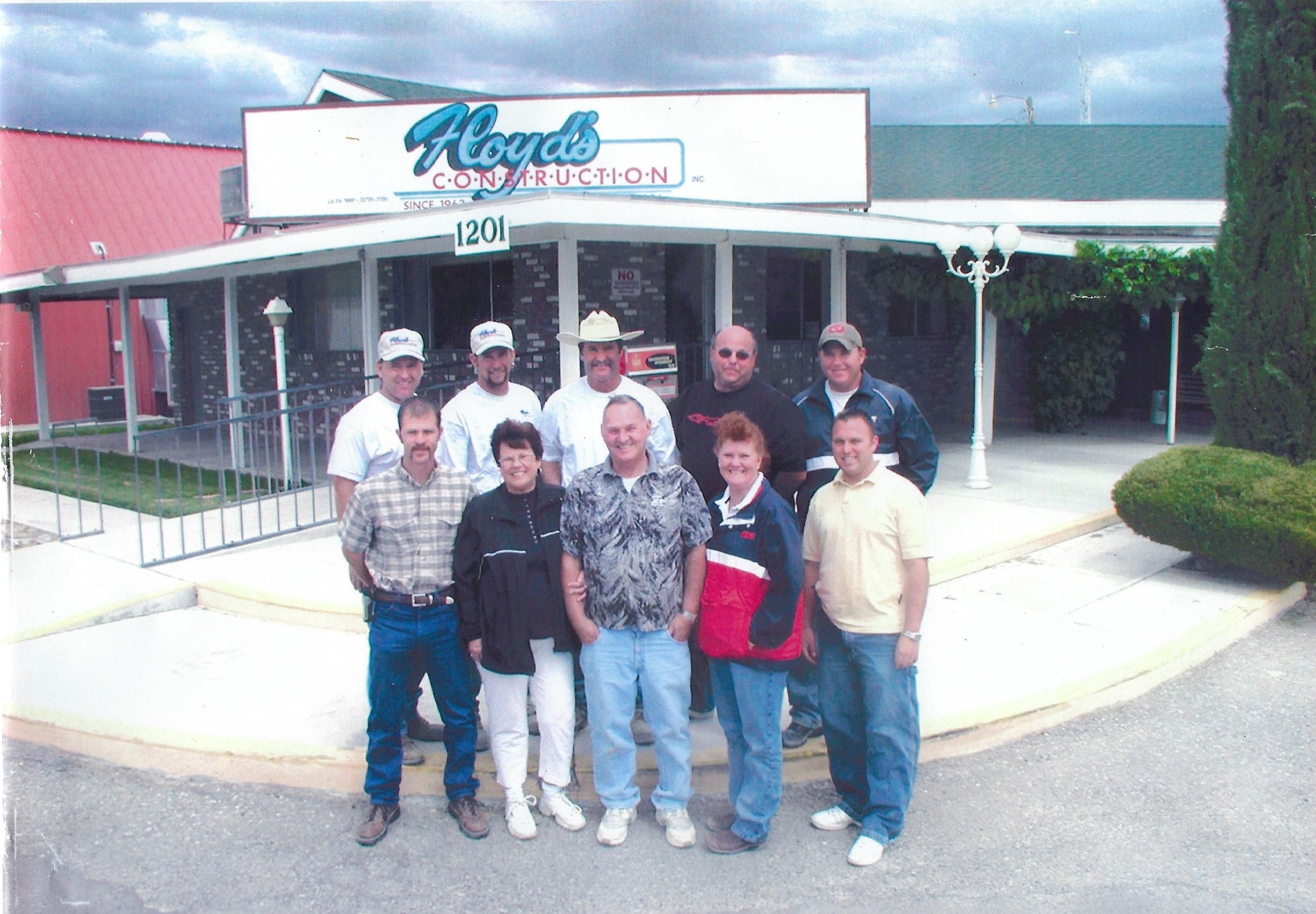

If you drive around Pahrump on any given day, chances are good you’ll see a Floyd’s Construction truck somewhere—parked beside a trench, edging along a new subdivision, or lined up at a job site where utilities are being laid in for the next phase of the valley’s growth. For more than six decades, the Floyd name has been woven into the physical backbone of Pahrump: its wells and septic systems, its water and sewer mains, its hardware store aisles, and its school fields.
The story starts long before that logo appeared on equipment. It begins in the 1950s, when Mike Floyd’s uncle and aunt, Bob and Jackie Ruud, came to the valley and established the Basin Ranch. Jackie was Mike’s mother’s sister, which meant that from the very beginning, the Floyds were connected to Pahrump’s ranching roots. The Ruuds were among the families who took a chance on what was then a remote agricultural valley, far removed from Las Vegas.
At the time, Mike’s father, Ron Floyd, was working in California. His family ran a pump and well business serving big farms around Chowchilla. He was young, capable and ambitious, but the structure of the family business left him with few prospects for real ownership. The company belonged to his father and uncle, and there was no clear path for Ron to ever be anything more than an employee.
Then came a phone call and a piece of news that changed everything. In the early 1960s, Pahrump was on the verge of getting electricity. Up to that point, wells in the valley ran off diesel pumps. With power lines coming, those pumps would need to be converted to electric. Jackie’s husband, Bob Ruud, passed the opportunity along: Pahrump was about to need someone who understood pumps and wells.
Ron saw what it could mean. He and his wife packed everything they owned into a truck and a trailer and moved their young family to a dusty valley with no phones, no big stores, and very little infrastructure. It was, by any measure, a huge risk. They arrived around 1962 and settled in a house off West Street, on the site where a church school stands today.
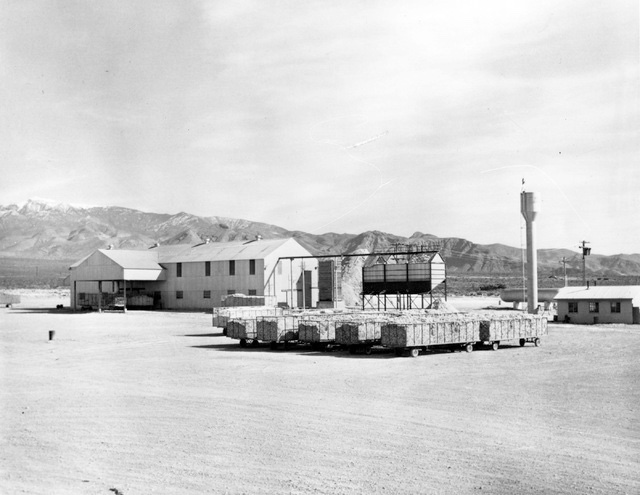
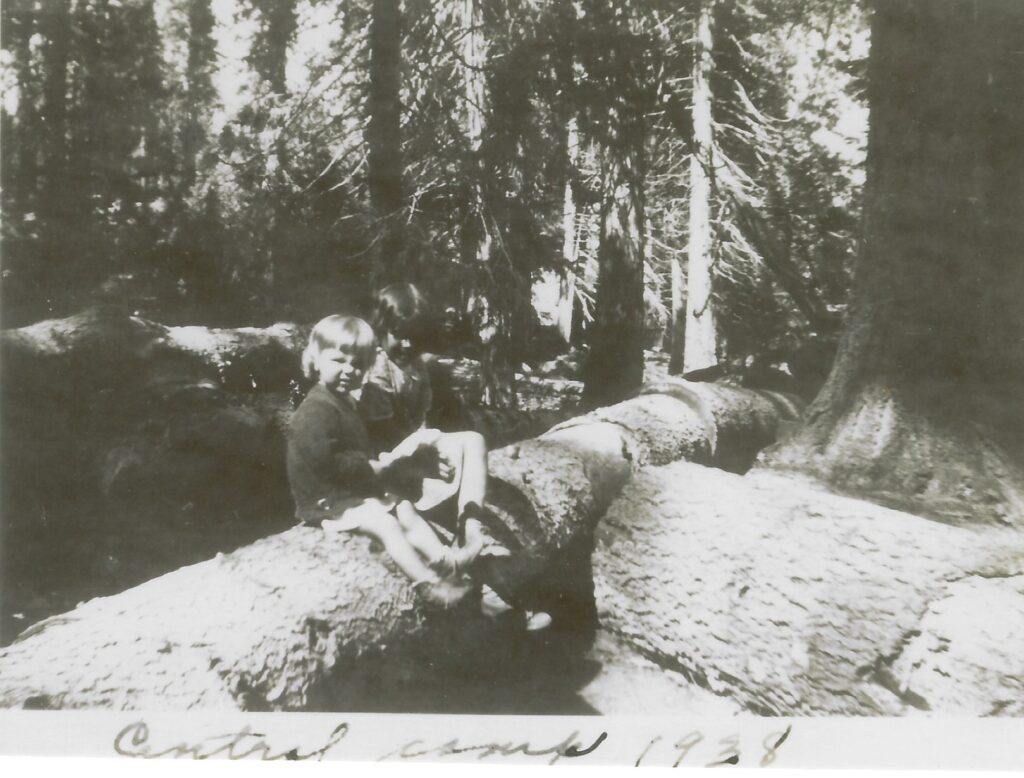
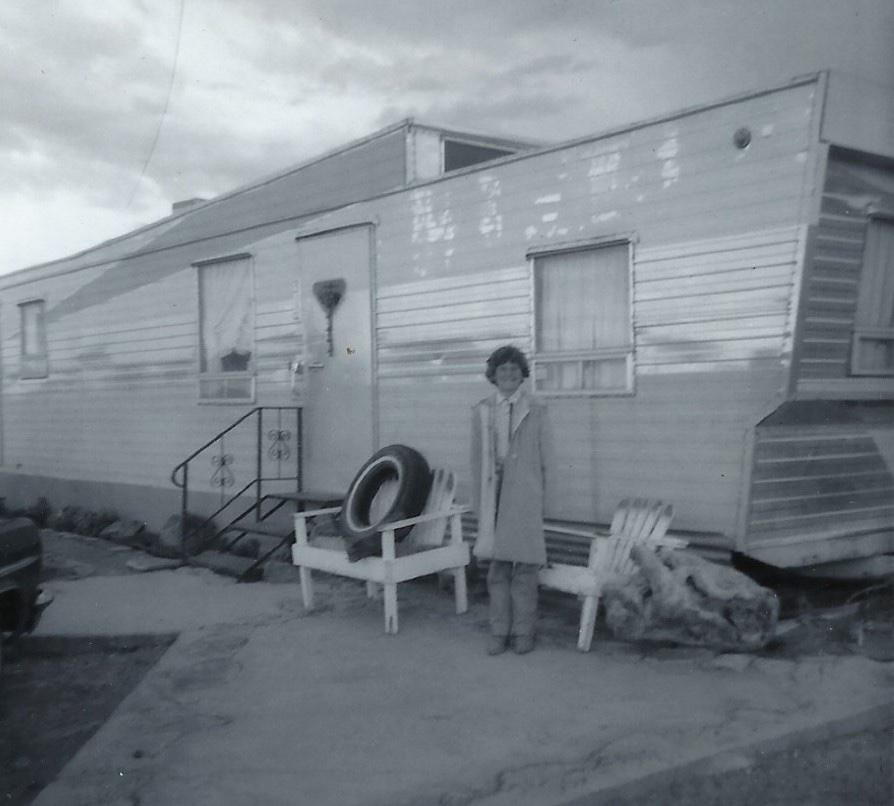
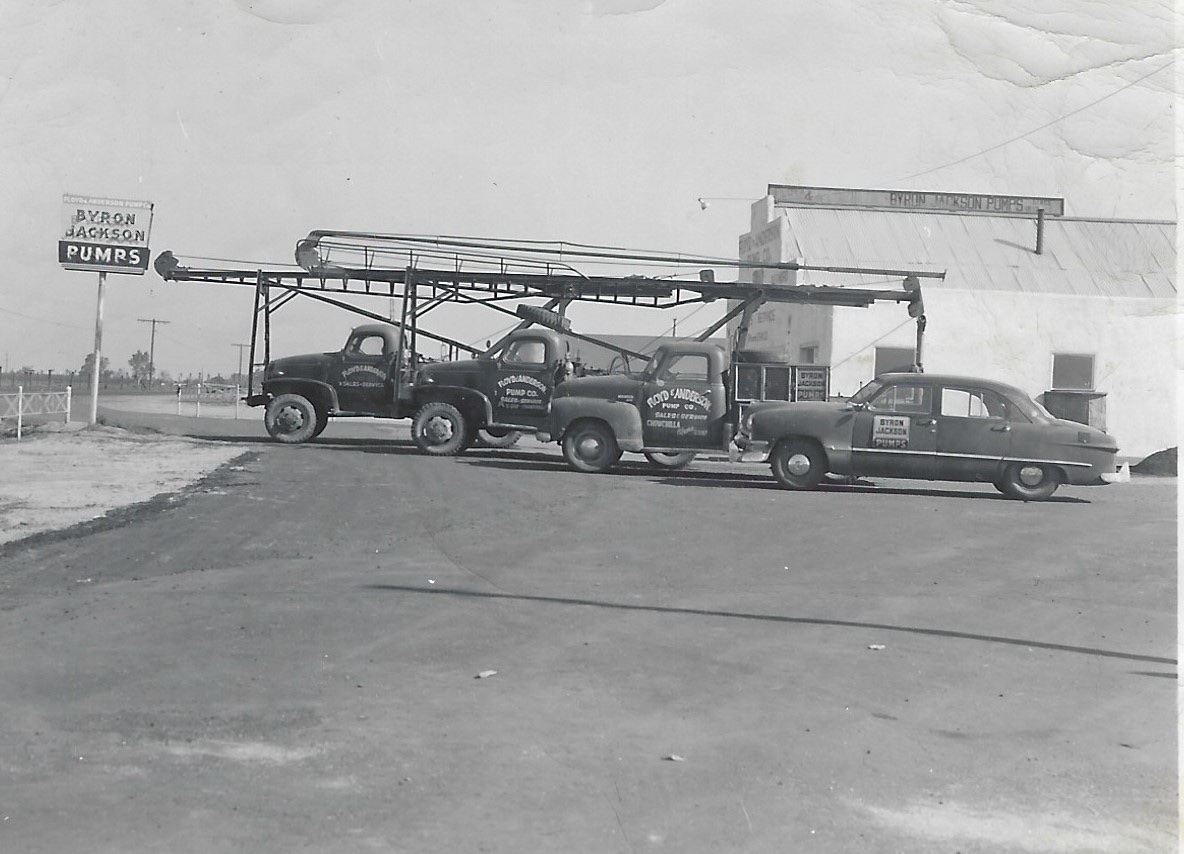
For the first year, Ron worked almost nonstop. He converted diesel pumps to electric throughout the valley, putting in 18-hour days, seven days a week. Then, as suddenly as it had begun, the work dried up. He had done his job so well that there was nothing left to convert.
He could have packed up and gone back to California. Instead, he looked for the next need.
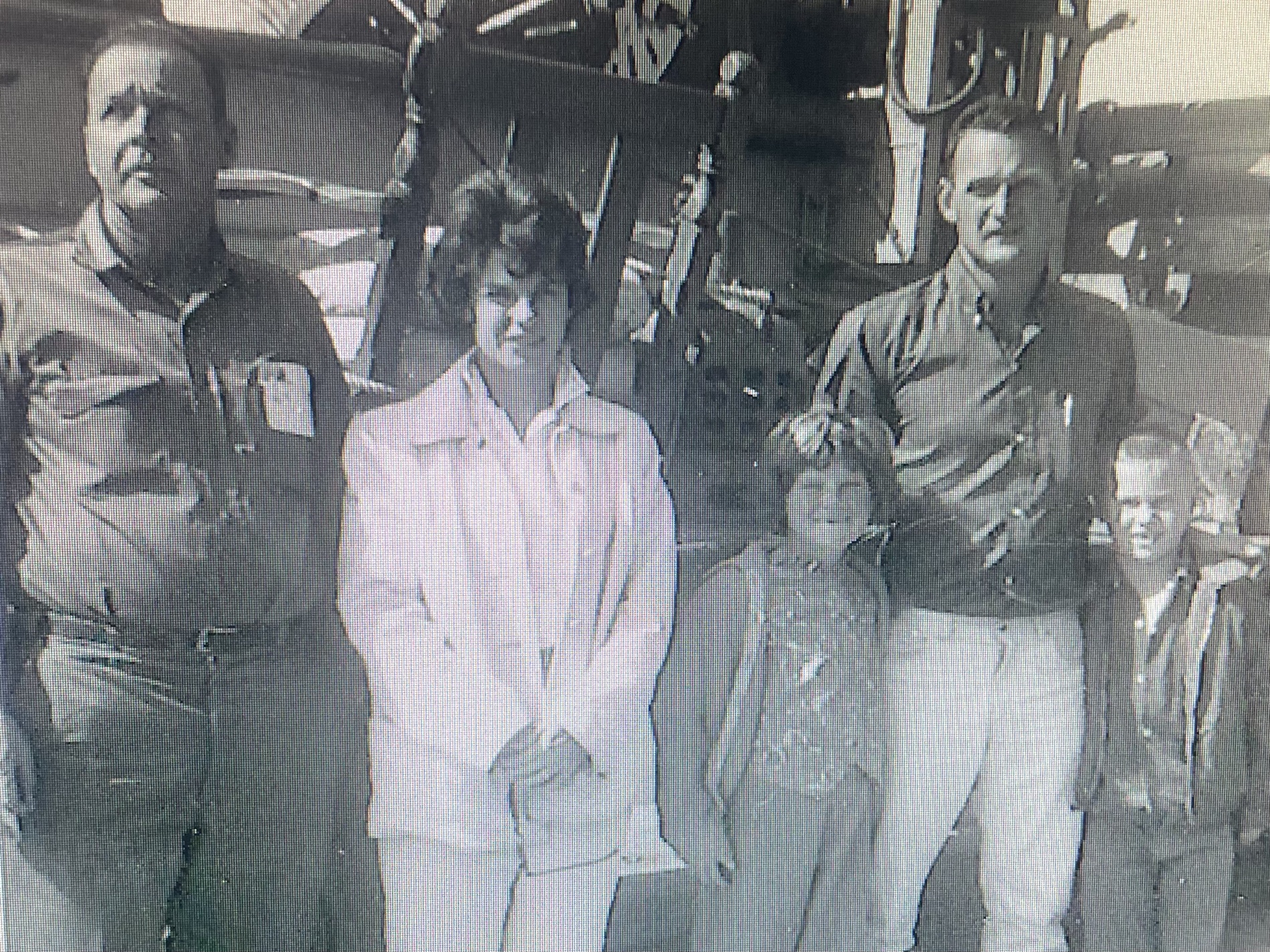
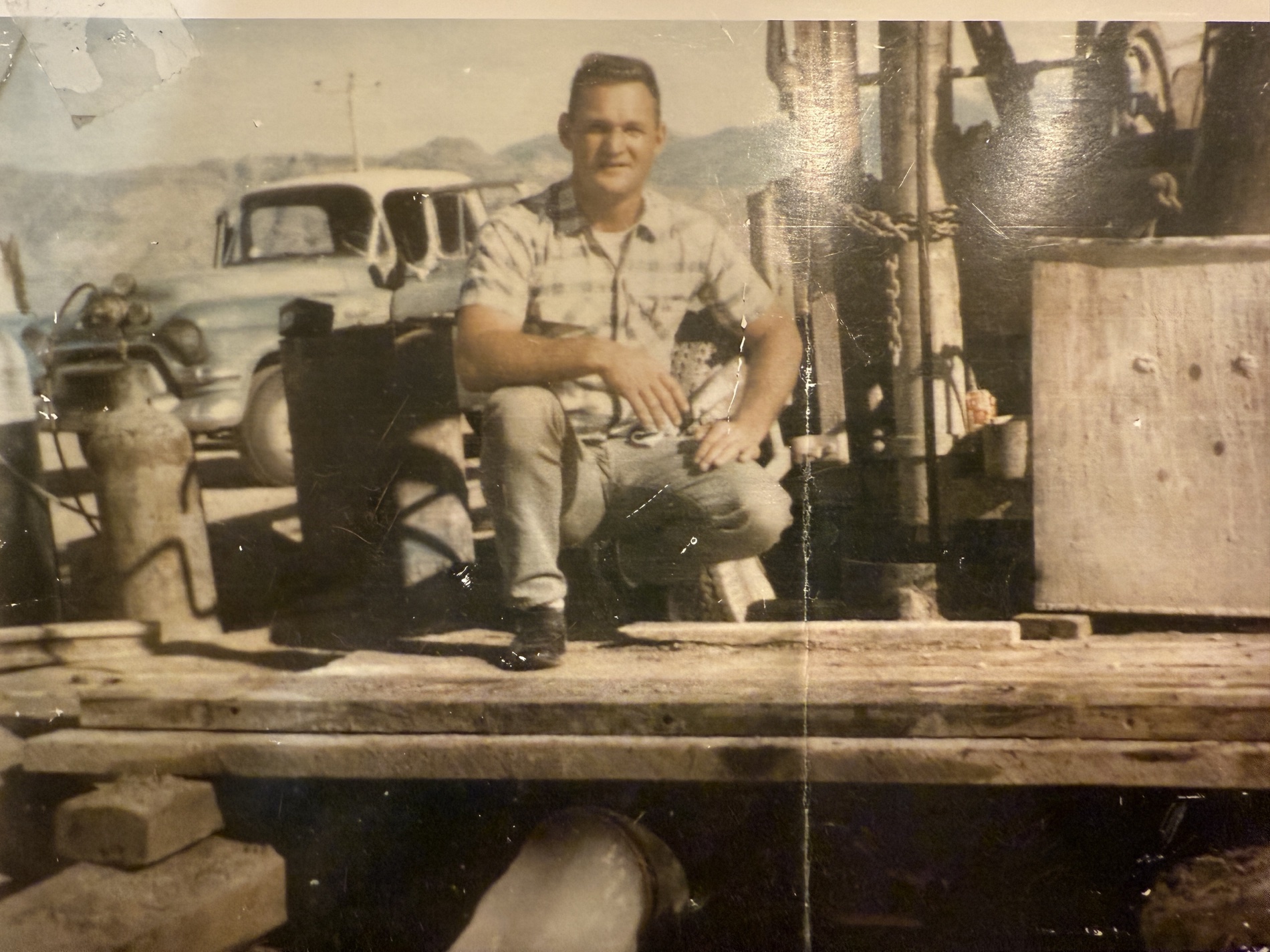
He took a job at the cotton gin to keep the family afloat, but his mind was always searching for what else Pahrump lacked. Wells needed to be drilled, not just serviced, so he began drilling. He knew well drillers from California and brought them over to work with him, gradually expanding his skills and equipment. When he delivered a new well, customers needed septic systems too. Few people were installing septics, so he stepped into that gap as well.
Over and over, the pattern repeated: see a need, figure out how to meet it, and build a livelihood around it.
At one point, there was simply nowhere in town to buy basic plumbing parts. If a fitting broke, you couldn’t just run to a big box store—there weren’t any. So Ron bought a new truck, drove to Bakersfield, and loaded it with the parts he would need. If he needed ten fittings, he bought twenty. The extras he stacked under a tent in the yard, along with other odds and ends.
Soon, neighbors started knocking. They needed a fitting, a length of pipe, a valve. The system was simple: they’d take what they needed, write it down on a pad of paper, and settle up later. That improvised supply tent was the seed of the Floyd hardware business, which would grow and eventually become the Ace Hardware store locals knew for decades.
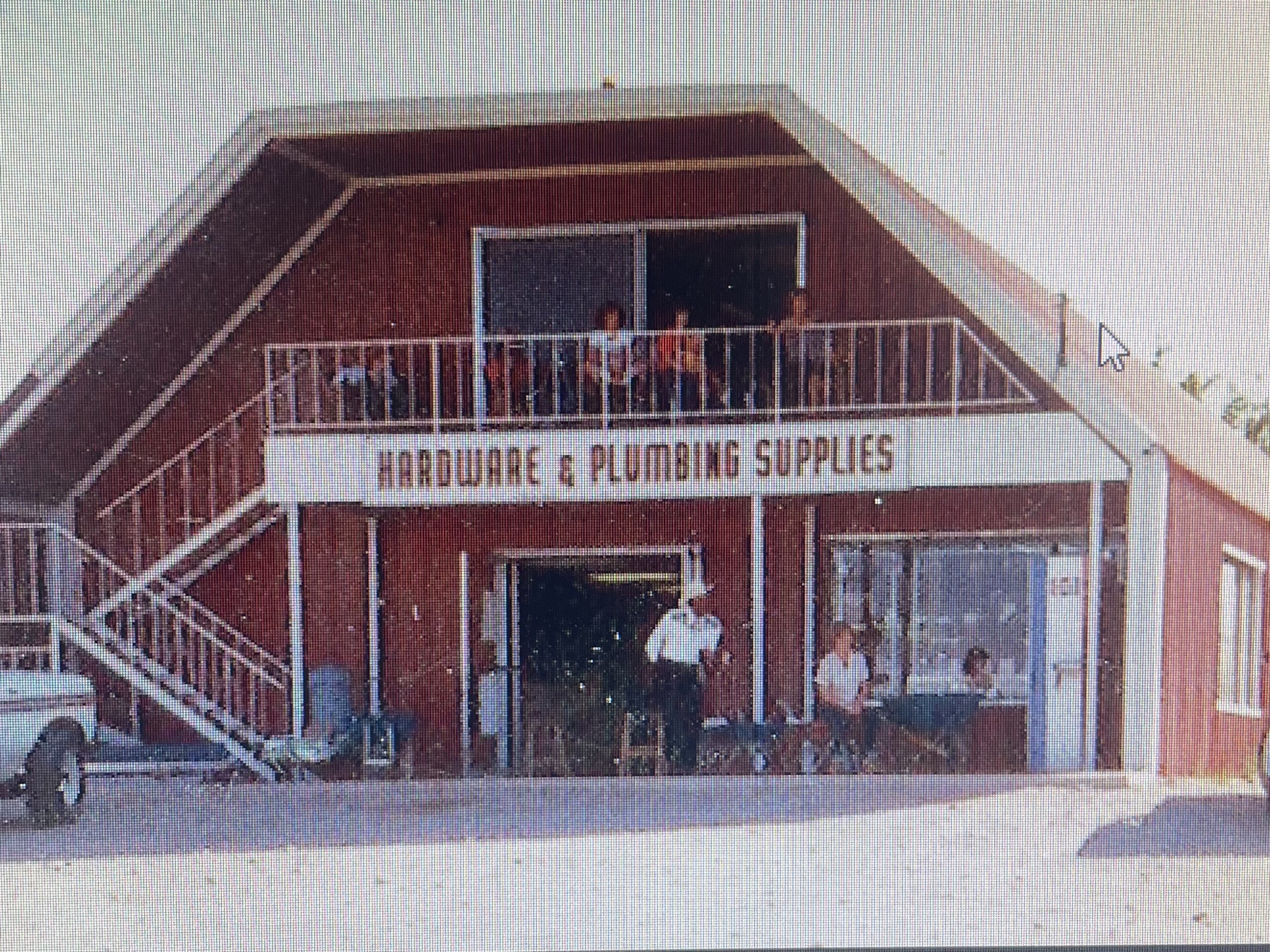
As Pahrump slowly grew, so did the Floyd enterprises. The first hardware store Mike remembers wasn’t in a shiny building; it was housed in a small room where the Outpost gun shop later operated. His sister, Julie, worked the counter as customers came in from all over the valley for parts and advice. Floyd’s Construction, meanwhile, kept drilling wells, installing septic systems and taking on small construction work wherever it was needed.
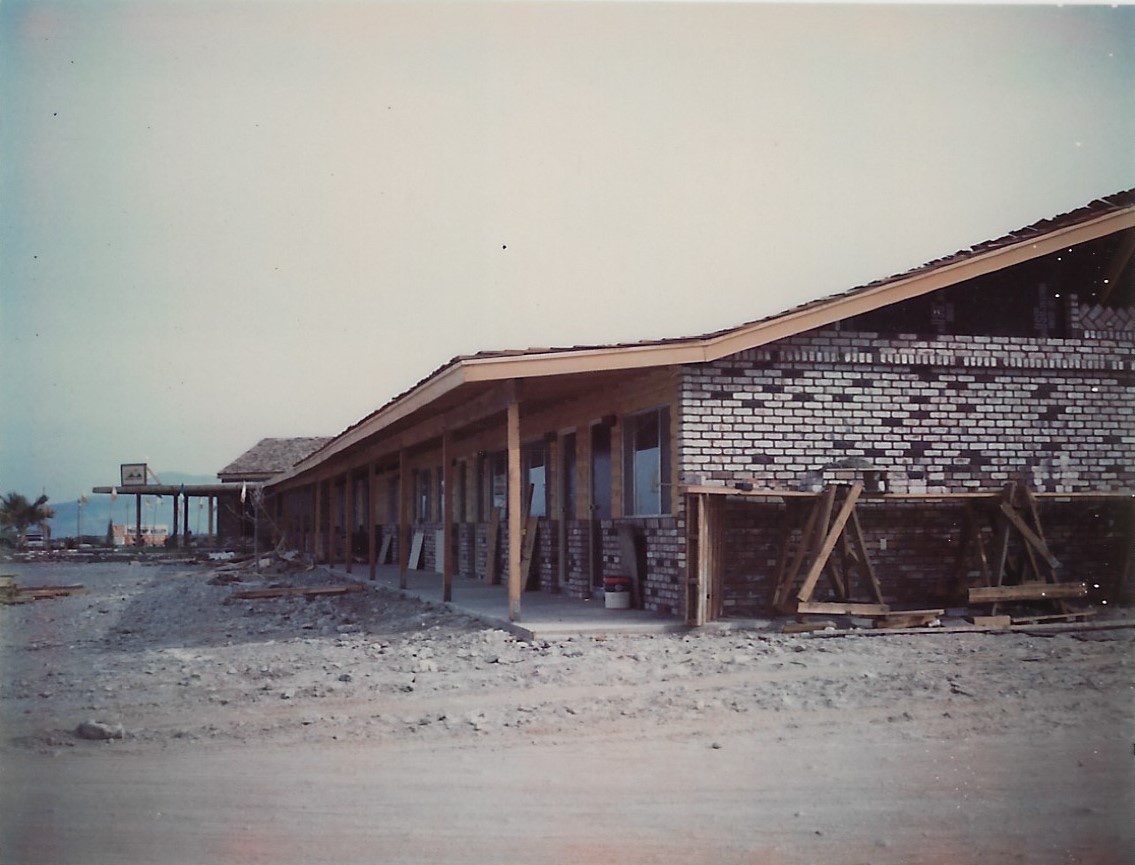
A major turning point came around 1970, when Nevada Bell (then handling the phone system) decided to run the first phone line into Pahrump. The company needed a place for its crews to stay, and the site that would become Floyd’s office had once been a barracks at Nellis Air Force Base. Ron bought the building, moved it to Pahrump, and set it up with six or eight motel-style rooms for the phone company workers.
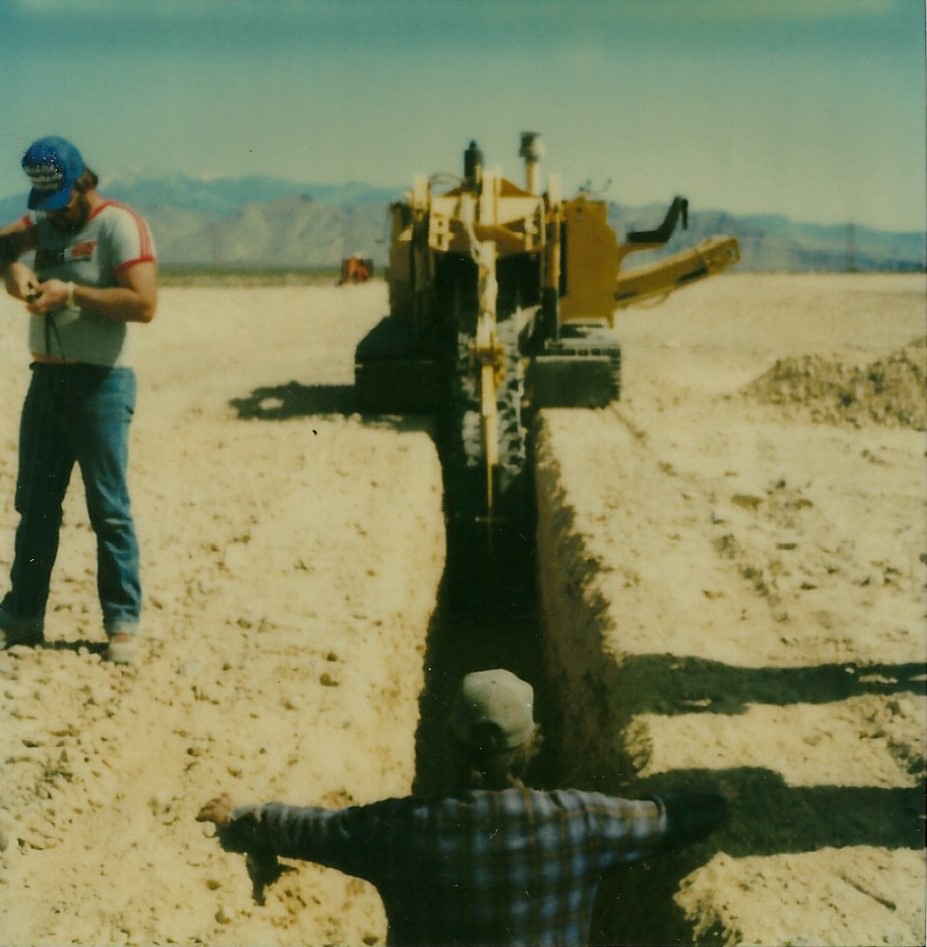
In conversations with those crews, he discovered that nobody had been contracted locally to trench for the new phone cable. Once again, there was a need and no one to fill it. So he bought a trencher and started laying phone lines. Within a few years, Floyd’s was doing utility work for telephone companies in Pahrump and beyond.
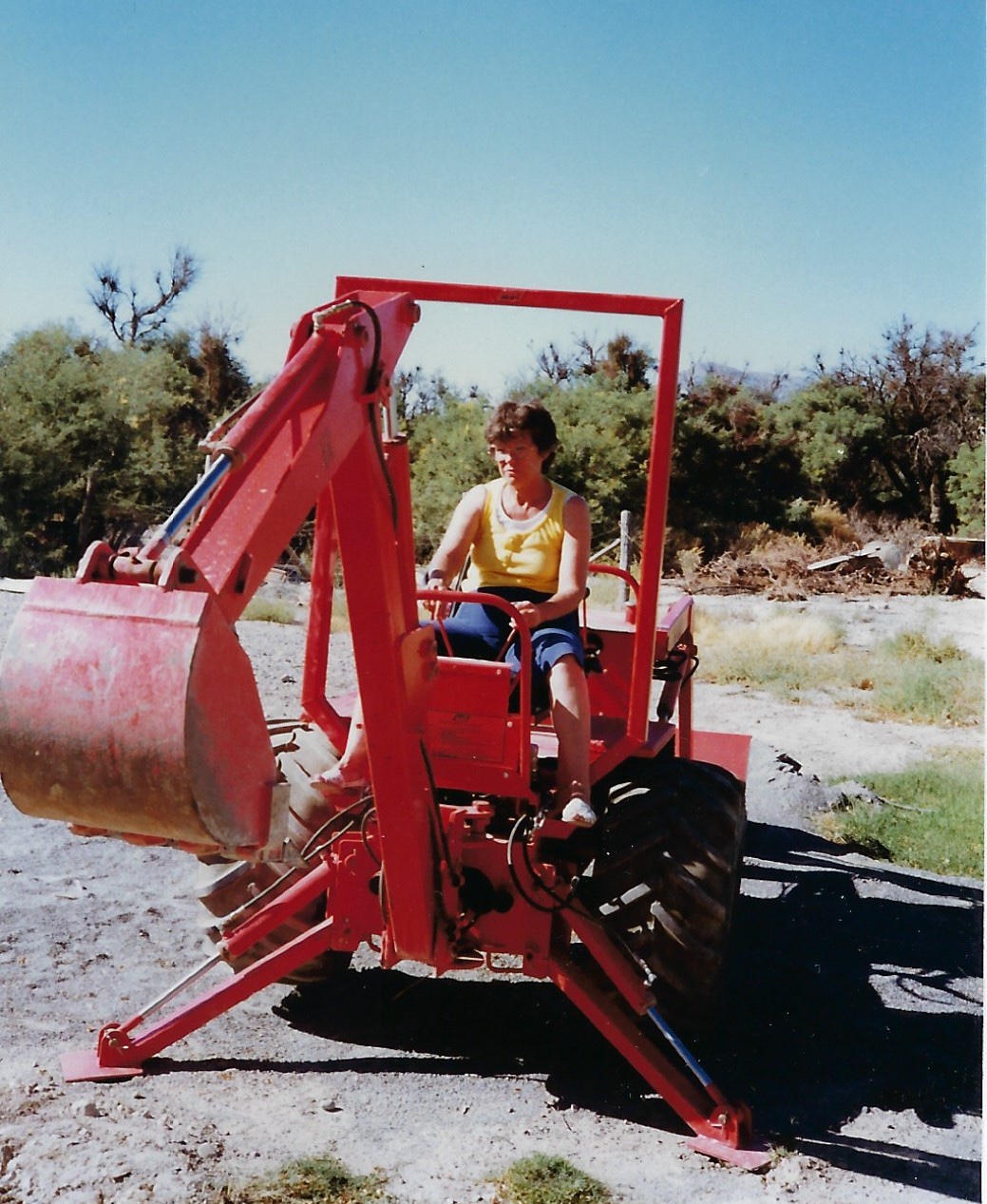
The hardware side continued to expand. As demand grew, the family built a larger store where the Kawasaki shop now stands and moved operations there. Eventually they decided to go even bigger, constructing a full-scale hardware store at the top of the hill—a building that would later become Ace Hardware and a central hub for locals.
That project, like most Floyd ventures, was truly a family effort. With few subcontractors available in town, the Floyds did nearly everything themselves. Drywall, tile, painting—if it needed doing, they did it. In the evenings, after spending the day laying pipe or running equipment, the family would head up to the store and work into the night.
“We laid all the tile in that entire place,” Mike remembers. Night after night, he, Deanna, baby Katelyn in tow, his sister Julie and family, his brother Bruce and family, his mother Charlotte, his grandparents Bea and Carl, and other relatives tiled 10,000 square feet of floor by hand. It was backbreaking work, but it saved money and built something they could all take pride in.
Over time, the Ace store became a community institution. Mike’s sister Julie ran it “with an iron fist,” as the family jokes, and half the town’s teenagers seemed to work there at some point. It was a place where kids learned how to show up on time, deal with customers, and get their first real paychecks. The Floyds’ approach to business—expecting hard work, giving chances, and treating employees like extended family—took root behind those counters. “When dad was in the store, if someone brought an item up to the counter that didn’t have a price on it, he would give it to them for free.”
While the hardware operation grew, the construction side evolved as well. The company’s name changed from Ron Floyd Company to Ron Floyd Pump Company, and eventually to Floyd’s Construction in 1982, as it incorporated and formalized its broader scope.
In the early 1970s, another opportunity came from a familiar source: land developers. Preferred Equities (connected to the Pahrump Ranch lands that would become Calvada) had begun building their subdivisions. They had a contractor doing pipeline work, but things weren’t going well. The president, Jack Soles, called Ron and told him he needed someone else to install water lines.
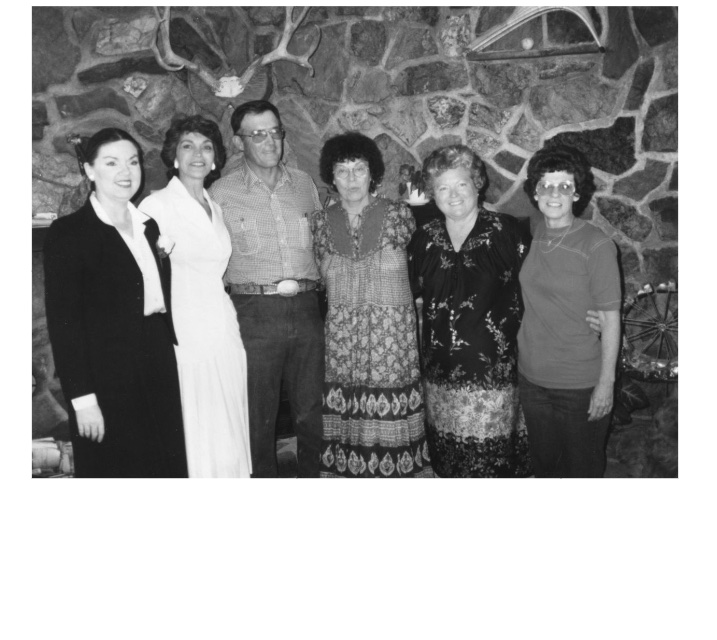
Ron had never done subdivision water mains before, but he was not a man who said no. Floyd’s took the job, buying what equipment they needed and learning as they went. That decision opened a new chapter. From that point on, Floyd’s Construction became the go-to contractor for water and sewer mains in many of Preferred Equities’ projects, in Pahrump and elsewhere.
“We’ve been doing that for those guys since about 1975,” Mike says. To this day, they remain one of Floyd’s biggest and most consistent customers.
As Nevada’s construction regulations tightened, licensing became more formal. The Floyds learned that the hard way. Ron was in Sandy Valley installing a septic tank when a man pulled up and introduced himself as an investigator from the State Contractors Board. He asked Ron if he had a contractor’s license. Ron, who had been working all over the region for years, didn’t.
Back then, bureaucracy moved differently. Instead of shutting him down, the board told him to go to Las Vegas, pay the fees and fill out the paperwork. In return, they granted him a full “A” license—a broad civil construction license that covered everything from pipelines to roads. It was a stroke of good fortune that opened doors for the company for decades.
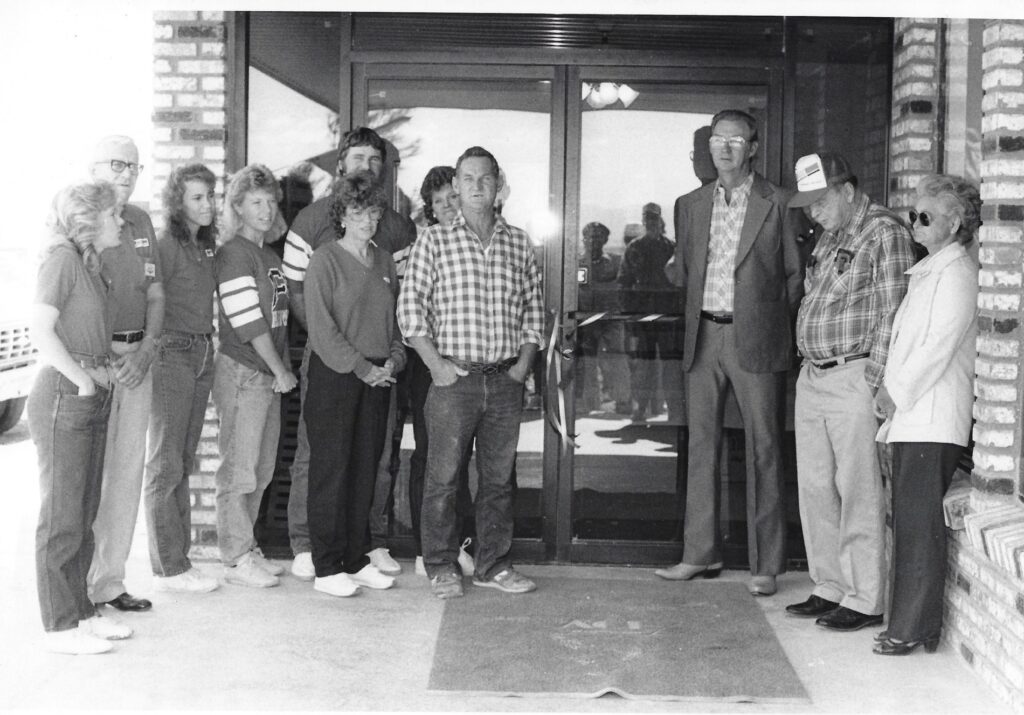
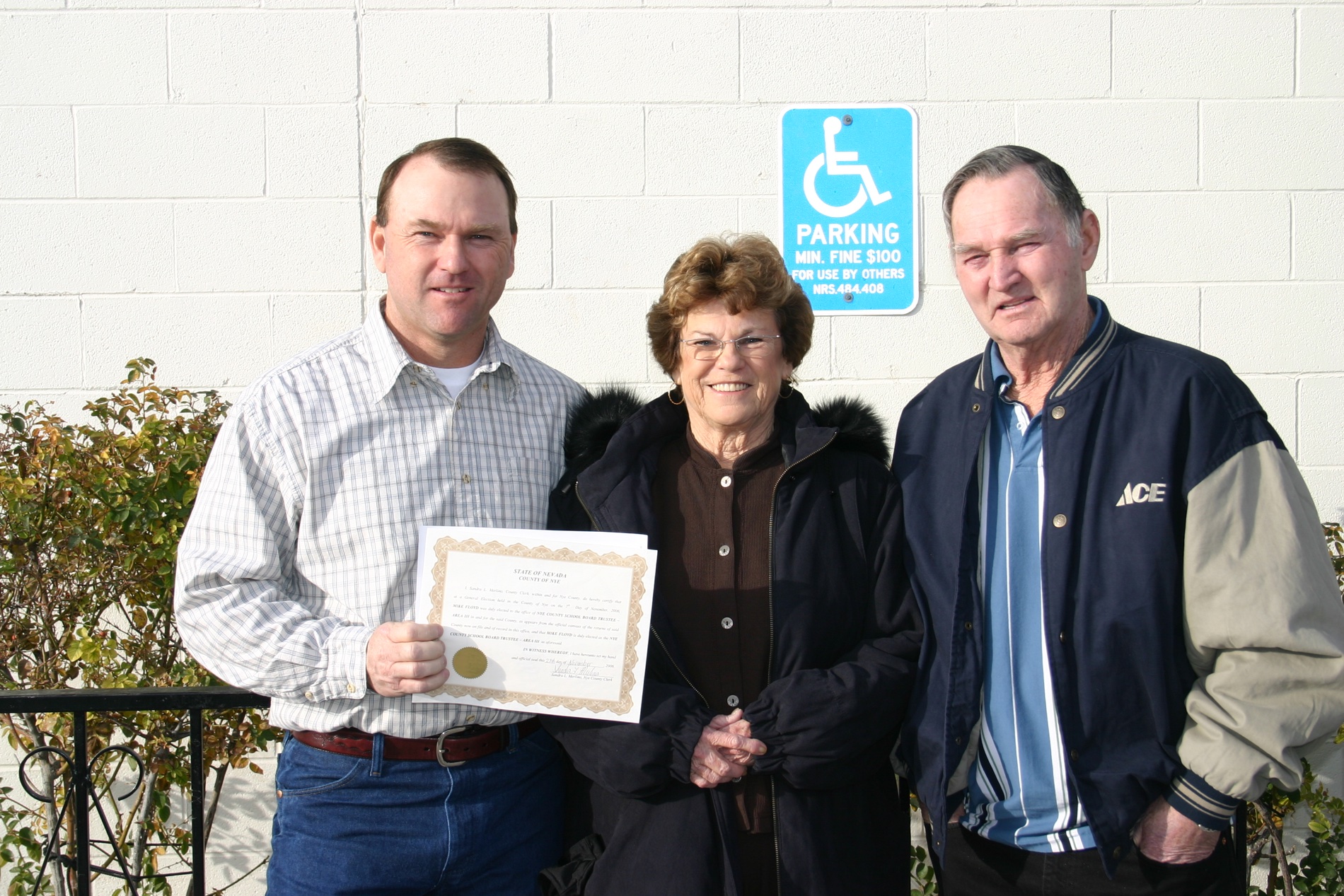
When Ron suffered his first major heart attack, Mike and his older brother Bruce knew they had to secure the company’s future. Contractor licenses require a qualified individual to pass trade and business exams. Their father had always been the qualifier; now they needed to step in. They studied together, took the tests, and replaced him as qualifiers.
While they were at it, they expanded their reach. Floyd’s obtained a B-2 general commercial license so they could build commercial structures, along with separate licenses for concrete, landscaping and metal buildings. That allowed them to construct projects like the Napa Auto Parts building, the Saddle West bingo area, and the large building north of town that later housed Treasures RV park. All told, they’ve built between 30 and 40 commercial buildings in and around Pahrump.
Inside the company, roles fell into a natural balance. Mike, with his degrees in financial and business management, gravitated toward the office. Bruce thrived in the field, running crews, reading the ground, keeping jobs moving. When a major project was on a tight schedule, Mike would leave the office, pull on work boots, and join his brother on a crew. But day to day, it was a two-man partnership: one in the office, one in the dirt, sharing the load.
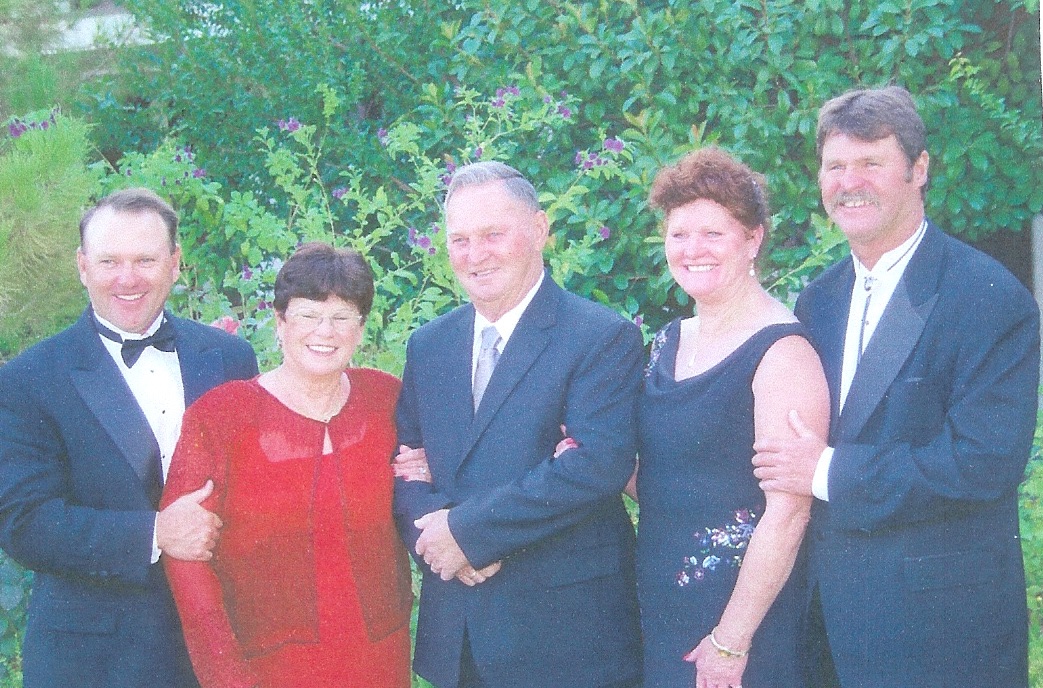
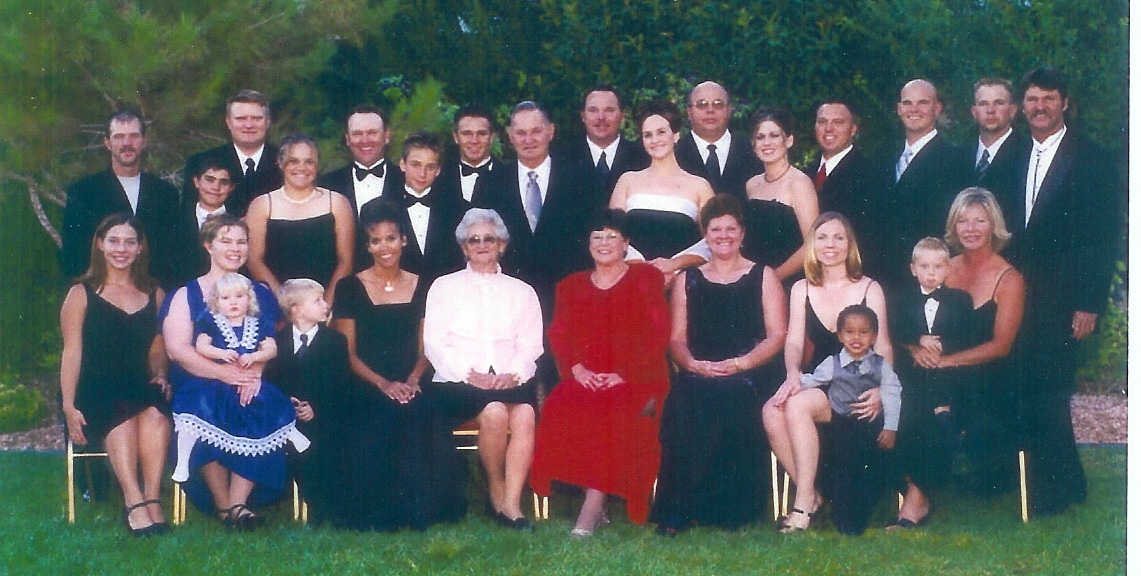
Tragedy eventually reshaped that balance when Bruce passed away. For Mike, losing his brother meant losing half of his operating brain trust. The man who had handled trade tests with ease, overseen field work and mentored younger laborers was suddenly gone.
“It’s been pretty rough replacing him,” Mike admits. “I did the office thing, he did the field thing. We always did everything together. He did half and I did half.”
Today, much of that responsibility falls on Mike and a crew that, as he jokes, is no longer full of “young guys.” In recent years, most of the workers are over 50, seasoned and reliable but not easily replaced. There is hope for the next generation—Bruce’s youngest son, Tyler, has come into the company and is learning the ropes. But finding the right mix of work ethic, skills and local knowledge is a challenge in a tight labor market.
Through all the internal shifts, Floyd’s Construction has remained visible in another realm: community projects, especially at Pahrump Valley High School. For the Floyds, giving back to the school system isn’t an abstract idea; it’s where their own lives and kids’ lives played out.
“We always tried to help the school,” Mike explains. “We didn’t have a lot of money to give, but we had equipment and we could pay guys some payroll to go down there and work on things.”
When coach Rich Lauver took over the PVHS softball program, he had big ideas for the field but limited funds. Floyd’s stepped in repeatedly. If Rich needed block for dugouts, Mike sent a block layer down and the dugouts went up. When it came time to build a covered spectator area, Mike and Bruce simply built it. Rich scavenged bleachers from Boulder City; Floyd’s hauled them home and set them in place. None of it went through big formal contracts. The company just saw what needed to be done and did it.
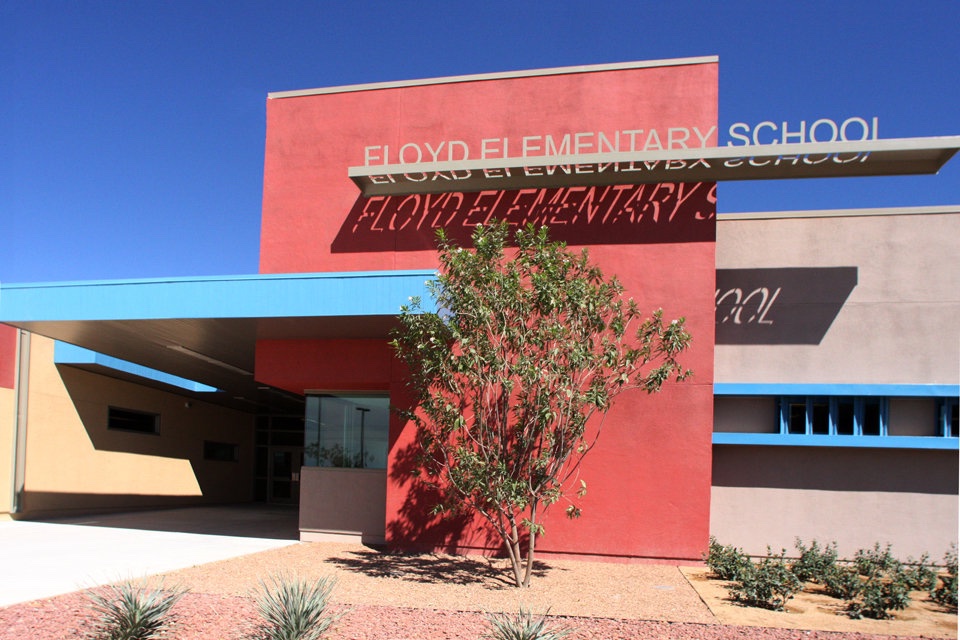
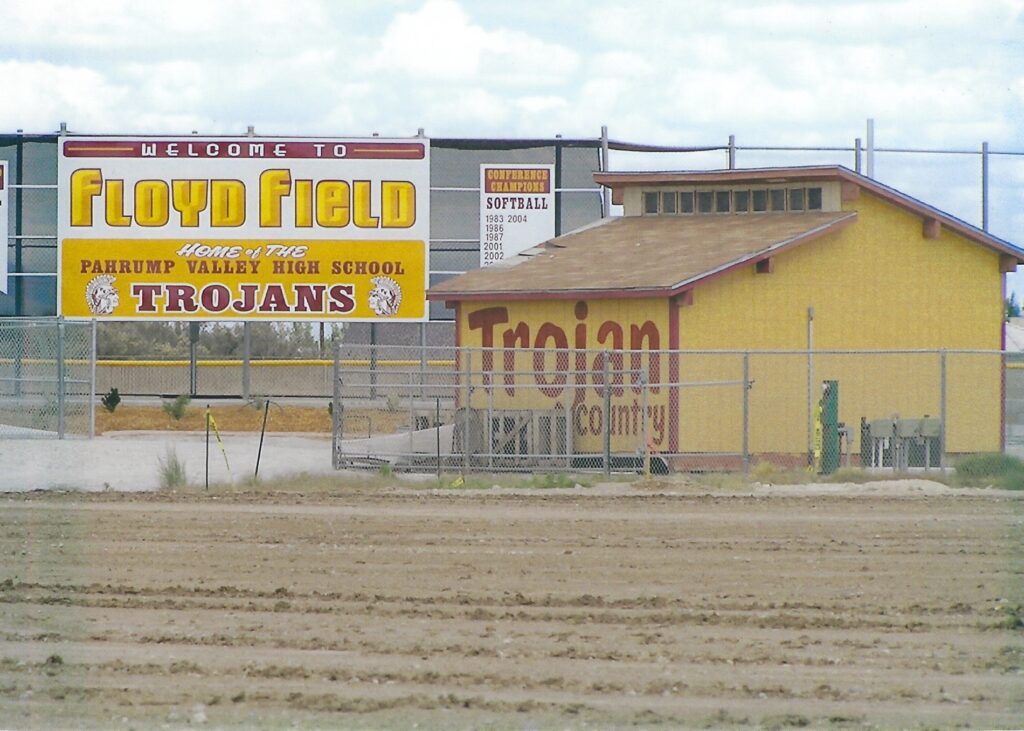
The biggest single contribution came on the football field. For years, PVHS played on a grass field that was more dust and holes than turf. Mike remembers playing under car headlights before the school had proper lights, with families parking around the field and turning on their beams when the sun went down.
Years later, when his son Kyle was playing, the field still hadn’t improved much. Mike approached Superintendent Dr. Roberts with a proposal: let him completely rebuild the field at no cost to the district. The superintendent hesitated only long enough to ask how that would work, then agreed.
The week after the final football game, Floyd’s brought in heavy equipment and tore the field up. They hauled in soil donated by longtime local families like the Wulfensteins and Tim Hafen, regraded the entire surface, and prepared it for new sod. Mike reached out to other community members and raised roughly $30,000 for the sod itself. By graduation in June, PVHS had a brand-new grass field.
For Mike, the work on school facilities didn’t stop there. Elected to the Nye County School Board, he helped champion the use of Pahrump’s “roof tax,” a local construction fee that can only be spent on buildings and grounds for schools within Pahrump. Instead of letting the fund sit and slowly accumulate, he argued for using it to improve existing facilities. That push resulted in the installation of the all-weather turf field, new bleachers, and numerous other upgrades.
“The thing I’m most proud of is just getting our facilities as good as they can be,” he says. “I felt like our kids and parents deserved it.”
The Floyd family’s roots go even deeper into Pahrump’s story. Mike’s grandparents eventually moved to the valley after his parents, and his grandfather helped out as a machinist in Ron’s pump business. His Uncle Frank Woner managed the old Pahrump Ranch, a massive property of around 10,000 acres that would later be sold and subdivided into the Calvada and Preferred Equities developments. Another branch of the family—through marriages to the Bollings and Moores—spread the Floyd connections across some of the most recognizable local names in town.
Family gatherings reflected that web. Christmas at the Floyd house could see 50 or more relatives crammed into the home, with cousins, aunts, uncles and grandparents sharing food and stories. Names like Ruud, Woner, Bolling and Moore weren’t just labels on buildings or streets; they were people sitting at the table.
As the decades rolled on, Floyd’s Construction continued to adapt. The well-and-septic side of the business eventually faded as municipal systems expanded and regulations became more complex. Today, the company focuses primarily on pipeline installation and underground utility work, as well as service calls when things break. Those are the moments most residents notice them: a crew in the street, a trench across a roadway, a line of cones guiding traffic around an excavation.
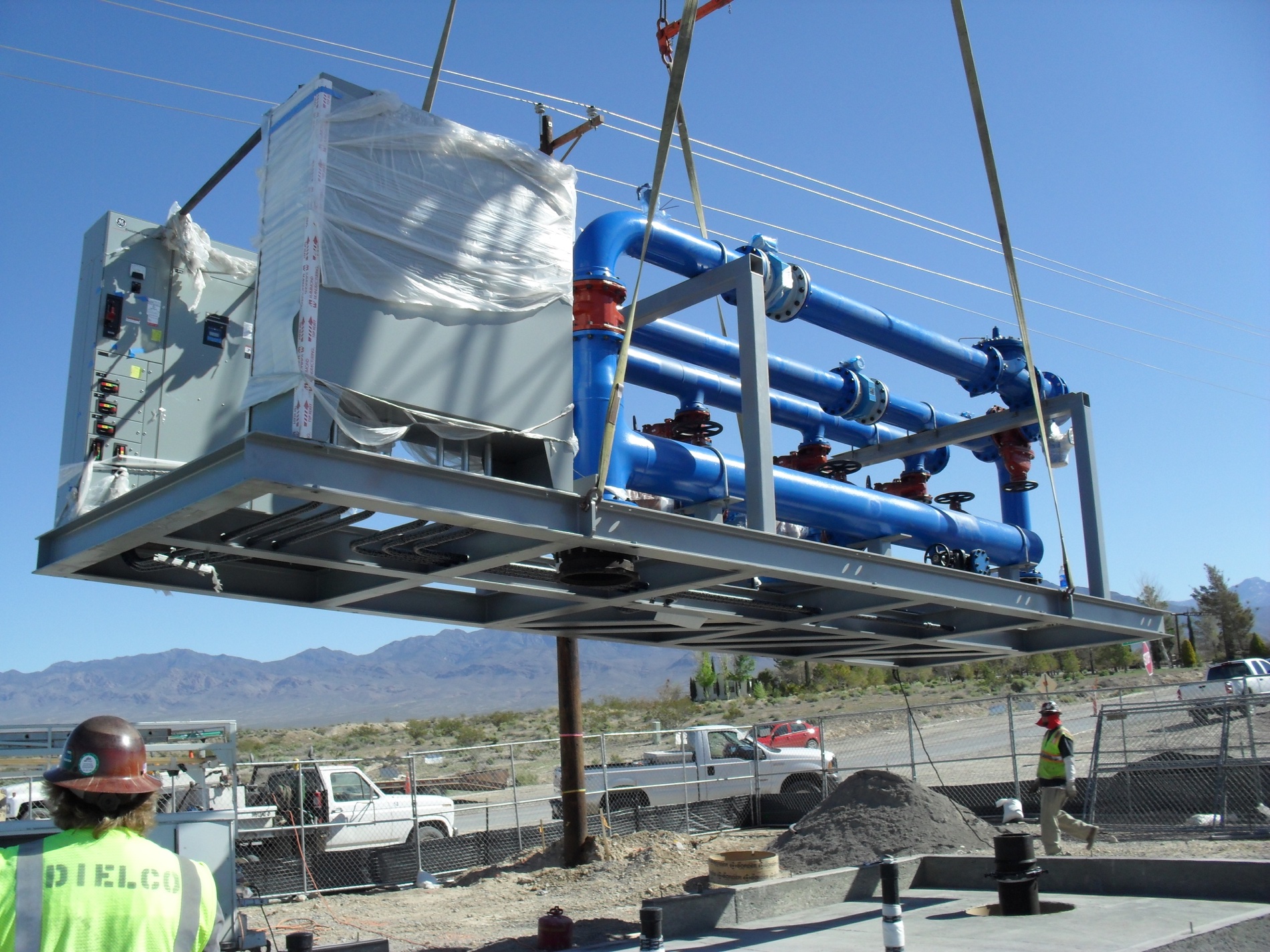
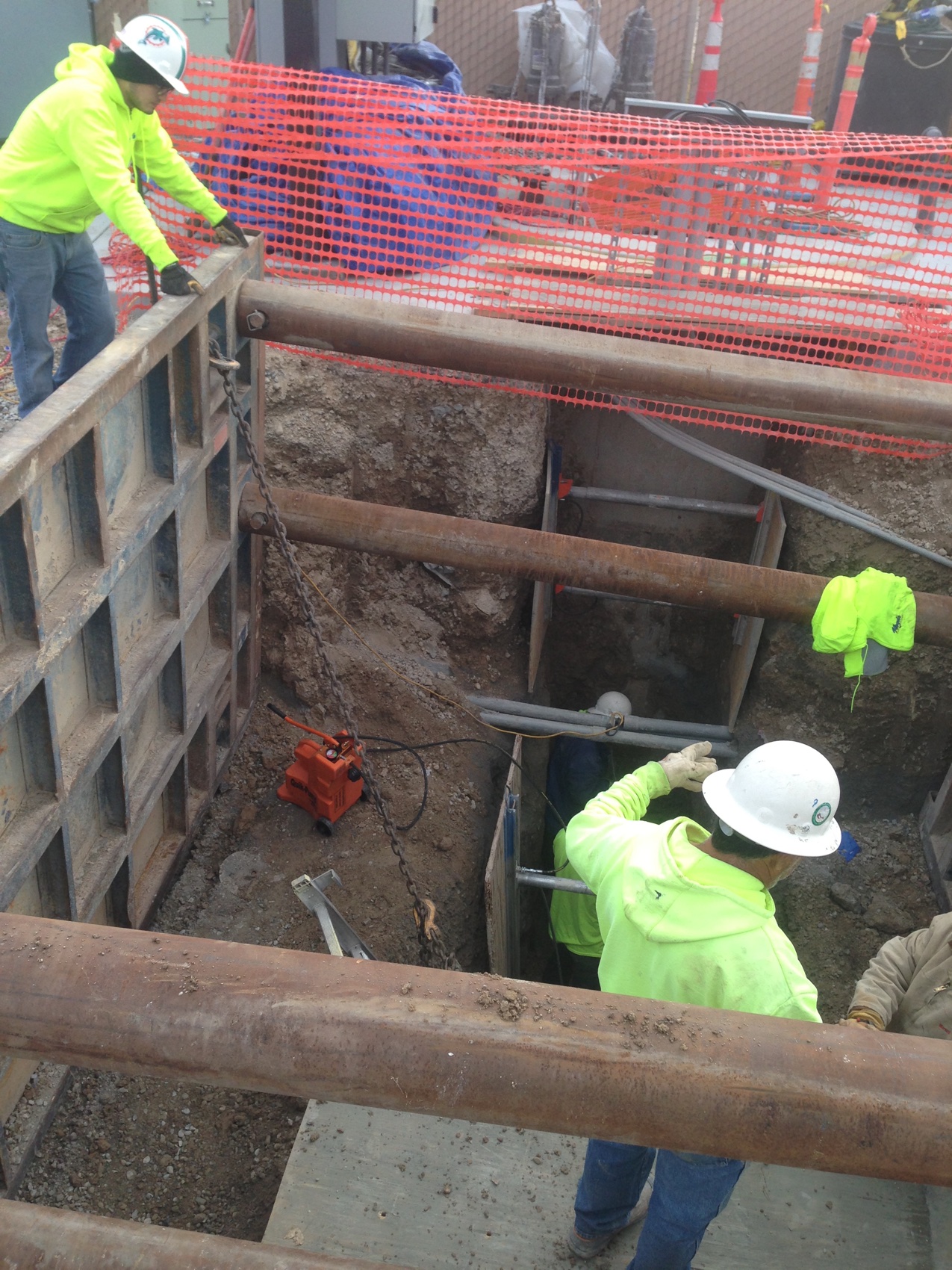
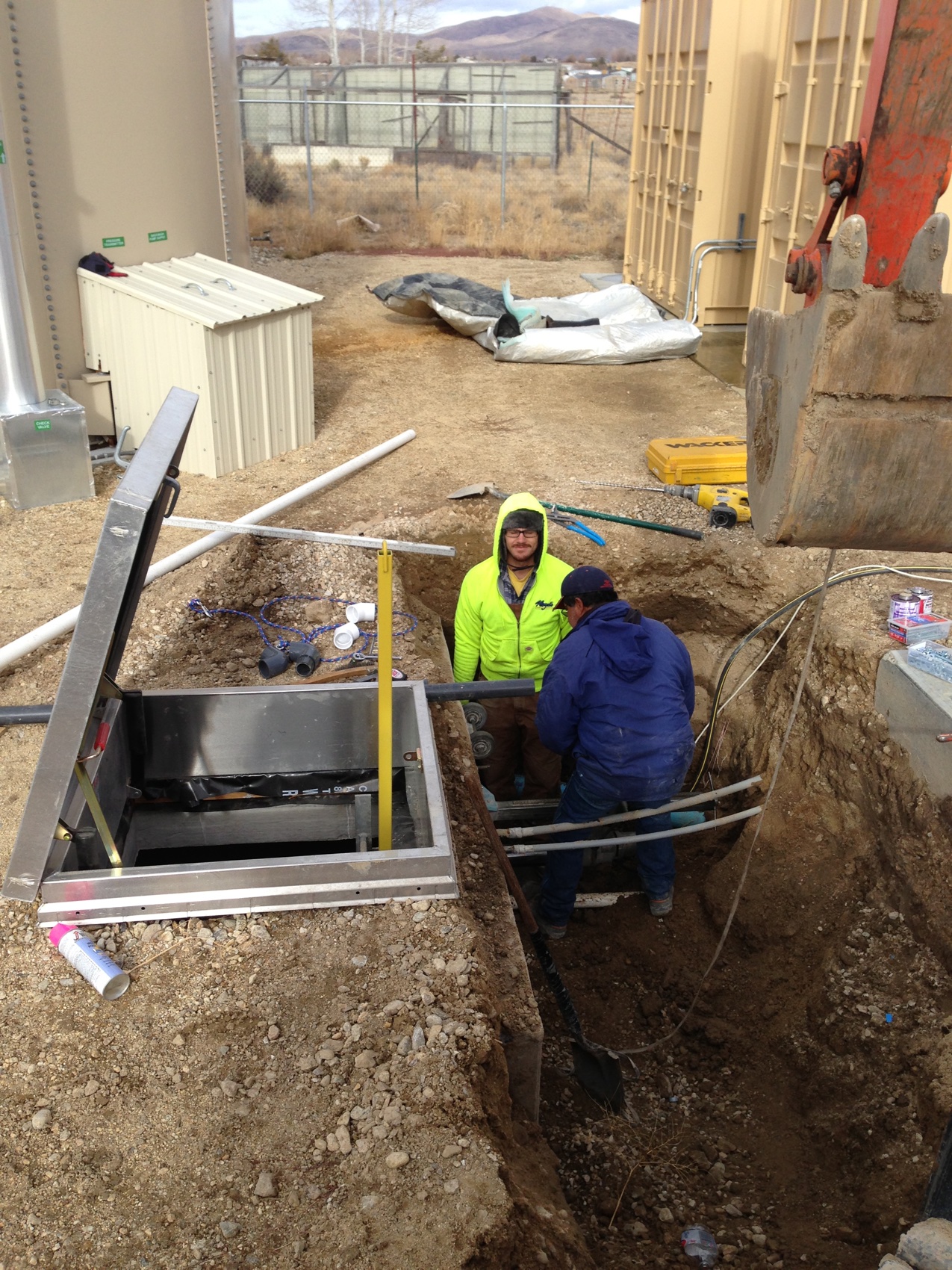
The company has fluctuated in size over the years, from as few as five employees during slow periods to more than 30 during booms. These days, Floyd’s runs with about 18 employees and, by Mike’s account, has had a good year. They remain deeply involved with ongoing utility work for developments old and new, including long-standing relationships with large landholders and newer projects like the Green Valley Grocer site at Homestead and 160, as well as other commercial corners.
Behind all the equipment, licensing and projects is a philosophy Mike has watched play out across generations: you don’t wait for someone else to fix a problem. You work hard, take risks when they make sense, and look for ways to increase your value by filling gaps others overlook.
“My dad started the business and I just rolled into it,” he says, candid about the fact that he had a head start many entrepreneurs don’t. But he’s also quick to point out that his father and mother were only 24 when they left a stable situation in California to move to a rural valley with no power or phones, based on a hunch and some family advice. “They dropped everything, went to a place with no electricity and no phone,” he says. “It takes a lot of guts.”
He sees that same trait in his daughter Katelyn, who keeps volunteering for new qualifications and responsibilities in the Air National Guard. When there’s a role nobody else is filling, she steps up and becomes that person. It’s the Floyd way.
Today, Pahrump is changing fast. Subdivisions that sat half-finished for decades are stirring back to life. Ishani Ridge on Wilson, long dormant, is seeing houses go up again. Developers are eyeing land across from Valley Electric and along the highway. New gas stations, stores and services are planned or under construction. Large tracts of land—including some the Floyds own behind Home Depot—are rising in value as Las Vegas runs out of room and looks outward.
For many newcomers, Pahrump is just a growing town with cheaper housing and more space. For the Floyd family, it’s a lifetime of trenches, pipes, wells, bleachers, fields, and aisles of hardware. It’s Christmases with dozens of relatives, Friday nights under lights they helped install, and a business that has touched nearly every corner of the valley in one way or another.
Floyd’s Construction began with a young man willing to move to a town without electricity and figure it out as he went. It continues today with his son, grandson, nephews and a crew of seasoned workers who still respond when something underground needs to be built or fixed. As Pahrump’s skyline changes and new names arrive, the Floyd imprint remains in the ground beneath it all—quiet, practical, and built to last.

1 Comment
What a wonderful & well written story of the Floyd family and all they have done. It is a trip down memory lane for many of us and a real look into what life was all about for this family. For anyone who resides in Pahrump Valley now, I think folks just take for grated all that is available their comfort, convenience & pleasure. Amy Veloz certainly has written this story of the Floyd family for all to imagine what life in those early days was like. Exceptional people doing exceptional things for the benefit of all. What a concept. And, the beauty of this story is – – it really happened. I don’t personally know you, Amy, but thank you for such a well written “history lesson”.