

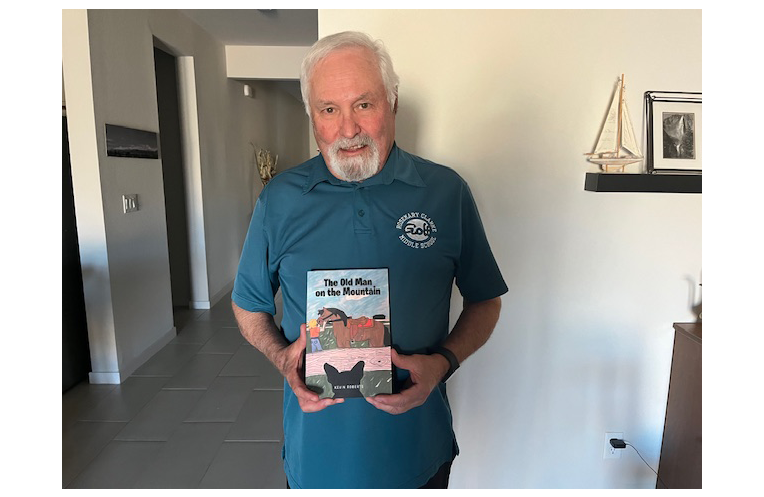

For longtime Pahrump residents, Kevin Roberts is a familiar name—not from bookstore shelves at first, but from classrooms in the Nye County School District. For more than two decades, Roberts helped shape young readers, guiding sixth graders through stories that sparked imagination, encouraged empathy, and quietly taught lessons that stretched far beyond vocabulary and comprehension. Now retired and living in Pahrump with his wife Kerry, Roberts has returned to those same values through a different medium: fiction.
His novel, The Old Man on the Mountain, is the culmination of years of teaching, personal experience, and reflection. While it may be new to readers, the story itself has been living with Roberts for more than two decades. Originally written in the early 2000s, the book began as a deeply personal project inspired by his classroom observations and his own life outside of school—particularly his time spent with horses and his experiences raising a family.
Roberts began teaching in Pahrump in 1994, focusing much of his career on sixth-grade reading. Those years left a lasting impression on him. He saw students at an age where they were ready for deeper stories—books that didn’t talk down to them, but also didn’t rely on shock value or controversy to hold their attention. What he found instead was a gap. There were few books that combined strong storytelling with clear life values, responsibility, and emotional honesty.
That gap became his motivation to write.
The original version of The Old Man on the Mountain was titled The Bay Gelding, and even in its earliest form, Roberts was ambitious. Life, however, has a way of intervening. Careers continue, families grow, and creative projects sometimes get set aside. It wasn’t until retirement that Roberts picked the manuscript back up and truly saw what it could become.
Looking back on his teaching years, one book stood out above all others: Where the Red Fern Grows. Roberts had taught it countless times and watched it reduce classrooms of tough sixth graders to tears. He admired the way author Wilson Rawls told the story so intimately, pulling readers directly into the heart of the narrator’s experiences. That reflection led Roberts to a pivotal realization—his own story needed that same closeness.
So he rewrote the entire book.
Switching from third person to first person, Roberts retold the story through the voice of a young girl, a challenge that pushed him creatively but ultimately transformed the novel. The change brought a deeper emotional connection, allowing readers to experience each triumph, setback, and moment of growth right alongside the protagonist. When the rewritten version was finished, Roberts knew he finally had the story he meant to tell.
At the center of the novel is Kate Walker, a determined young girl growing up in rural Nevada with an unwavering love for horses. Along with another young girl, Kate convinces her mother to “just look” at a horse slated for slaughter. The mother reluctantly agrees, her resistance hinting at unresolved memories long before the reason becomes clear. The horse looks exactly like someone—or something—she once knew.
Kate names the horse Rowdy, a bay gelding unwanted by others and nearly lost before she finds him. Their bond doesn’t form overnight. Training Rowdy is slow, demanding, and often frustrating. Sometimes Kate pushes too hard. Sometimes Rowdy does. Together, they learn patience, trust, and resilience—lessons that mirror the challenges Kate faces in her own life.
Roberts’ depiction of that journey is grounded in reality. A lifelong horseman, he competed in gymkhana and team penning and spent years riding and training. Many moments in the book reflect real experiences—falls from horses, the fear that follows, and the courage it takes to get back on. Those scenes aren’t written for drama alone; they’re reflections of lessons Roberts believes young people still need to learn.
As Kate sets her sights on competition, she discovers that Rowdy, while athletic and capable, isn’t the perfect barrel horse she envisioned. Rather than giving up, she adapts. Along the way, she forms close friendships with two of the strongest riders in the valley. Together, they train, compete, and escape into the nearby mountains, where a quiet, sacred place becomes a source of peace, reflection, and connection.
That mountain setting resonates deeply with local readers. The wide-open land, the trails, and the solitude reflect the very reasons Roberts chose to make Pahrump his home. After being pushed out of horse property in Las Vegas by development, he came to Pahrump looking for space—space for horses, for riding, and for a way of life that still values the outdoors. Those landscapes are woven naturally into the story, grounding the fictional narrative in a place that feels familiar and real.
The story ultimately leads Kate and Rowdy to success, satisfaction, and recognition, but not without emotional cost. The book has moved many readers deeply—some to tears, including Roberts himself. Local book club discussions have sparked strong reactions, a sign, he believes, that the story is doing exactly what he hoped: making people feel something.
Now, Roberts is working to bring the book full circle—back into the classroom. Plans are underway to place copies in local elementary schools and the middle school, with the help of community donors. As a former teacher, Roberts hopes to visit classrooms, participate in literacy events, and once again read alongside students, much like he did for years with Where the Red Fern Grows. His goal is not just to share a book, but to reignite a love of reading and reflection in young people.
He also hopes the story encourages kids to step outside—away from screens and into the world around them. Horses, trails, mountains, and open land play a central role in the book for a reason. For Roberts, those experiences build confidence, responsibility, and a sense of purpose that can’t be learned indoors.
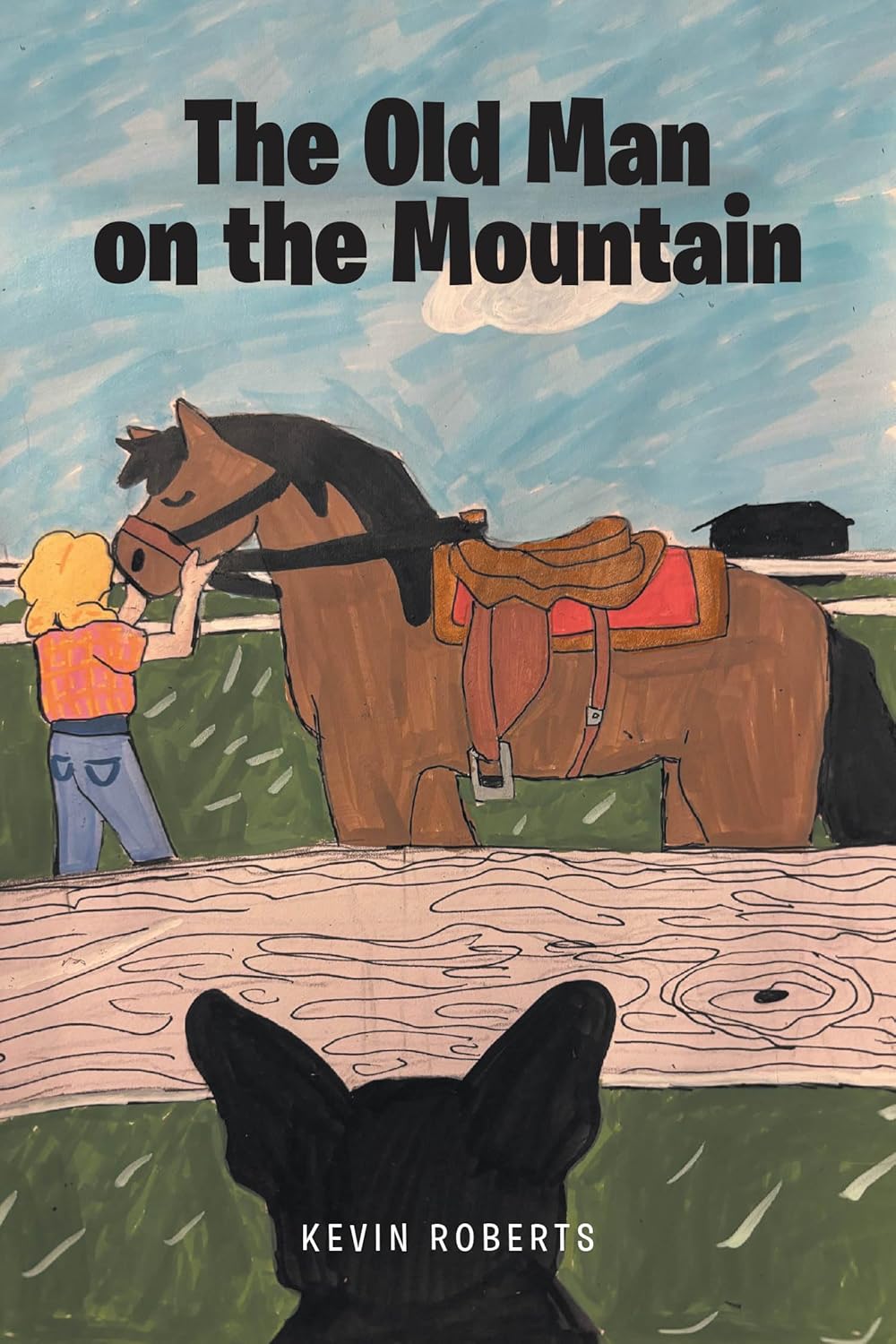
The project has become a family affair as well. One of Roberts’ granddaughters illustrated the book’s cover, while another has helped explore ideas for a future audiobook. Roberts dreams of producing an audio version with multiple voices and sound effects, creating an immersive experience that mirrors the emotional depth of the written story.
Already, he is deep into writing a sequel, with more than 20 chapters completed. The next book expands the narrative, giving voice to multiple family members and continuing the story in first person. Ultimately, Roberts envisions a trilogy—each installment building on the last while staying rooted in the same values.
For Pahrump readers, The Old Man on the Mountain is more than a novel. It’s a reflection of a local educator’s lifelong commitment to young people, a tribute to the bond between humans and animals, and a reminder that some of the most meaningful stories grow right out of our own backyard.

