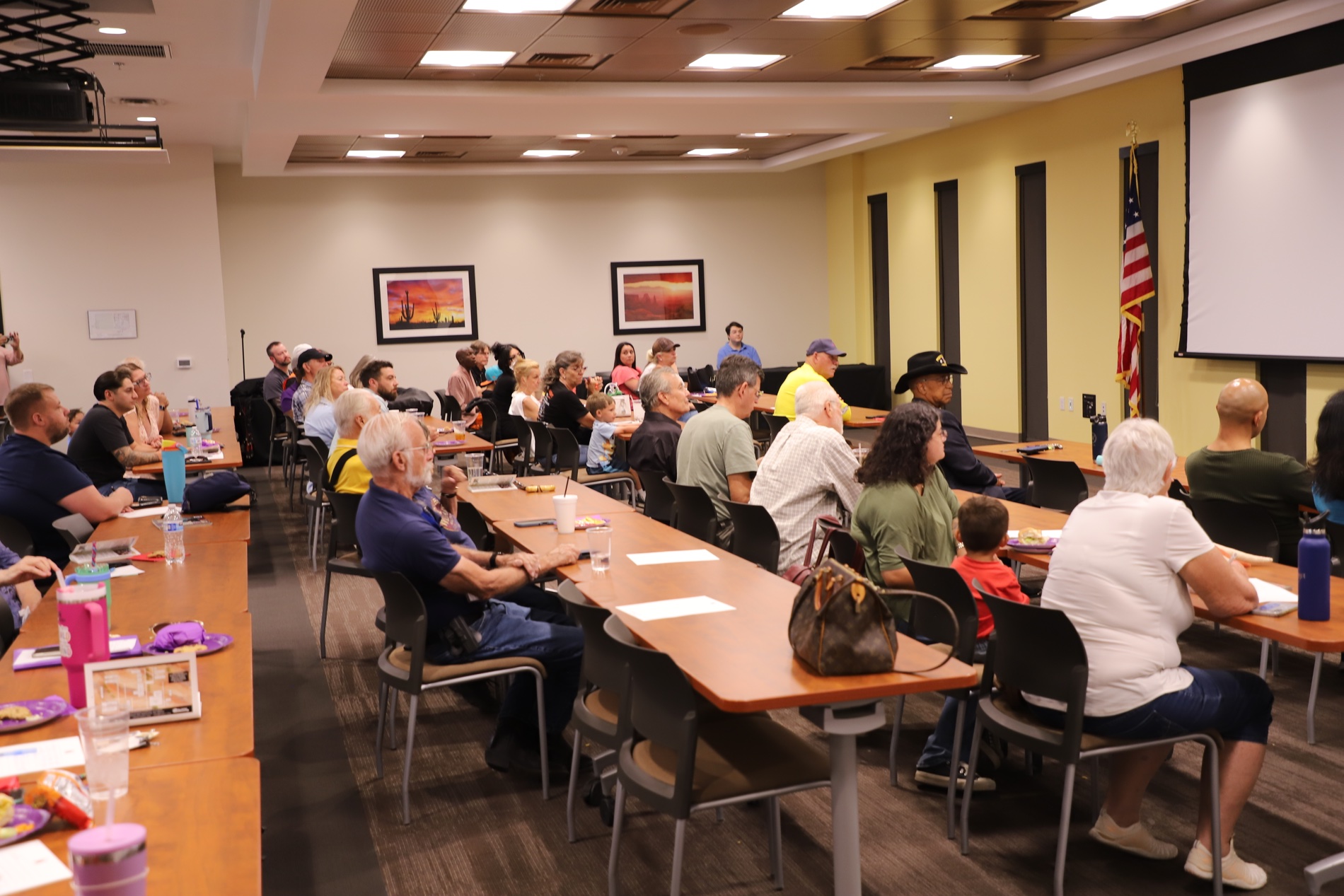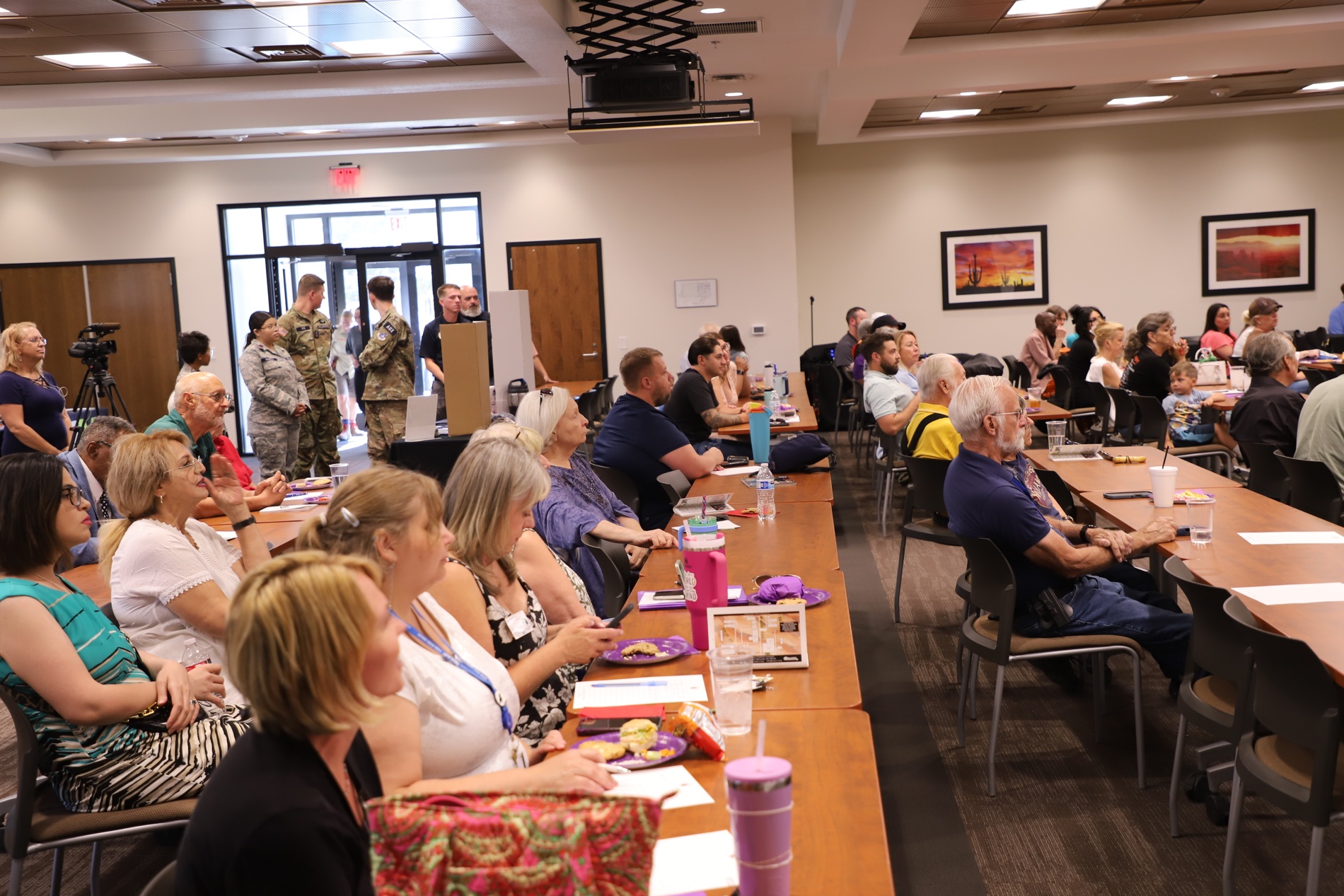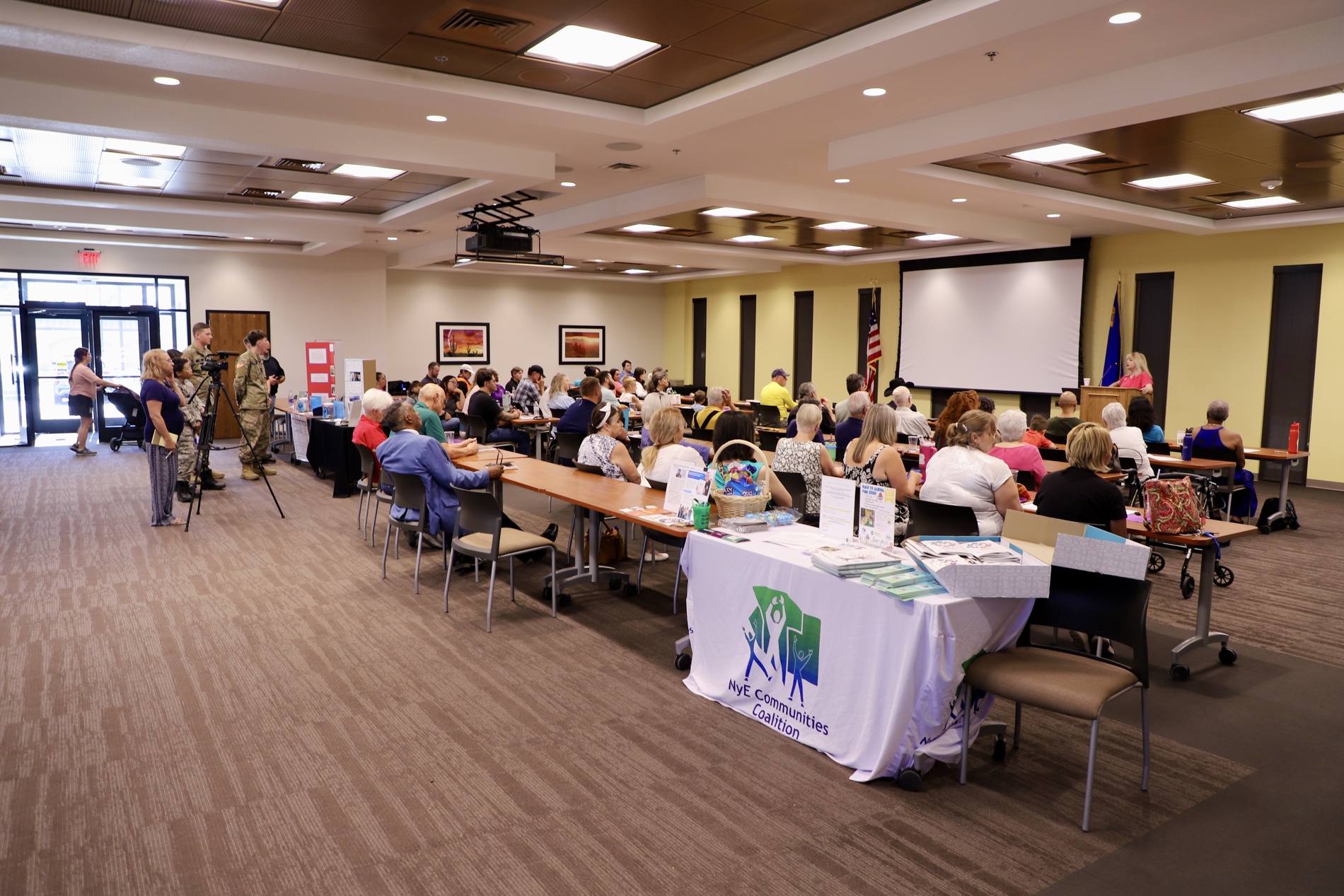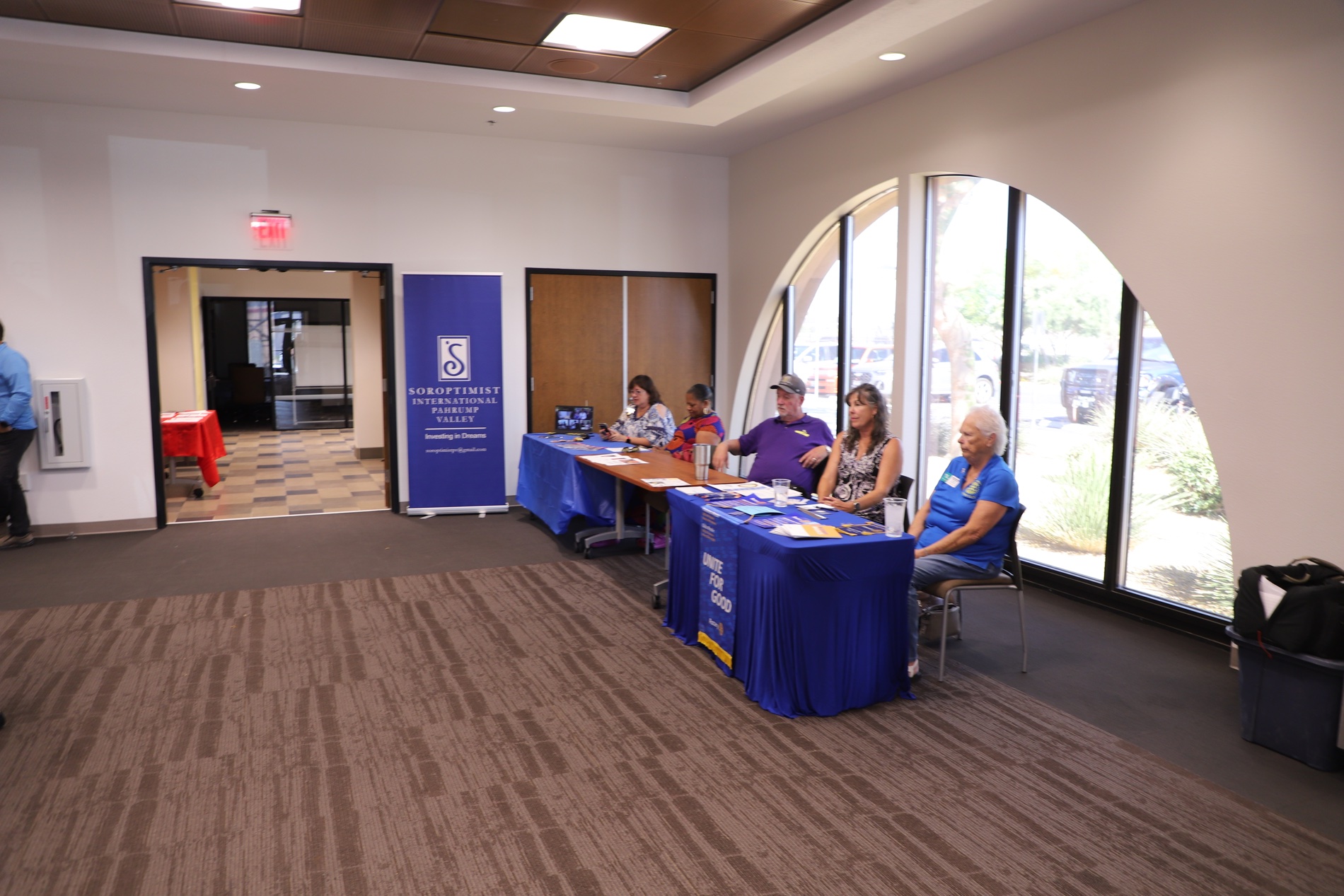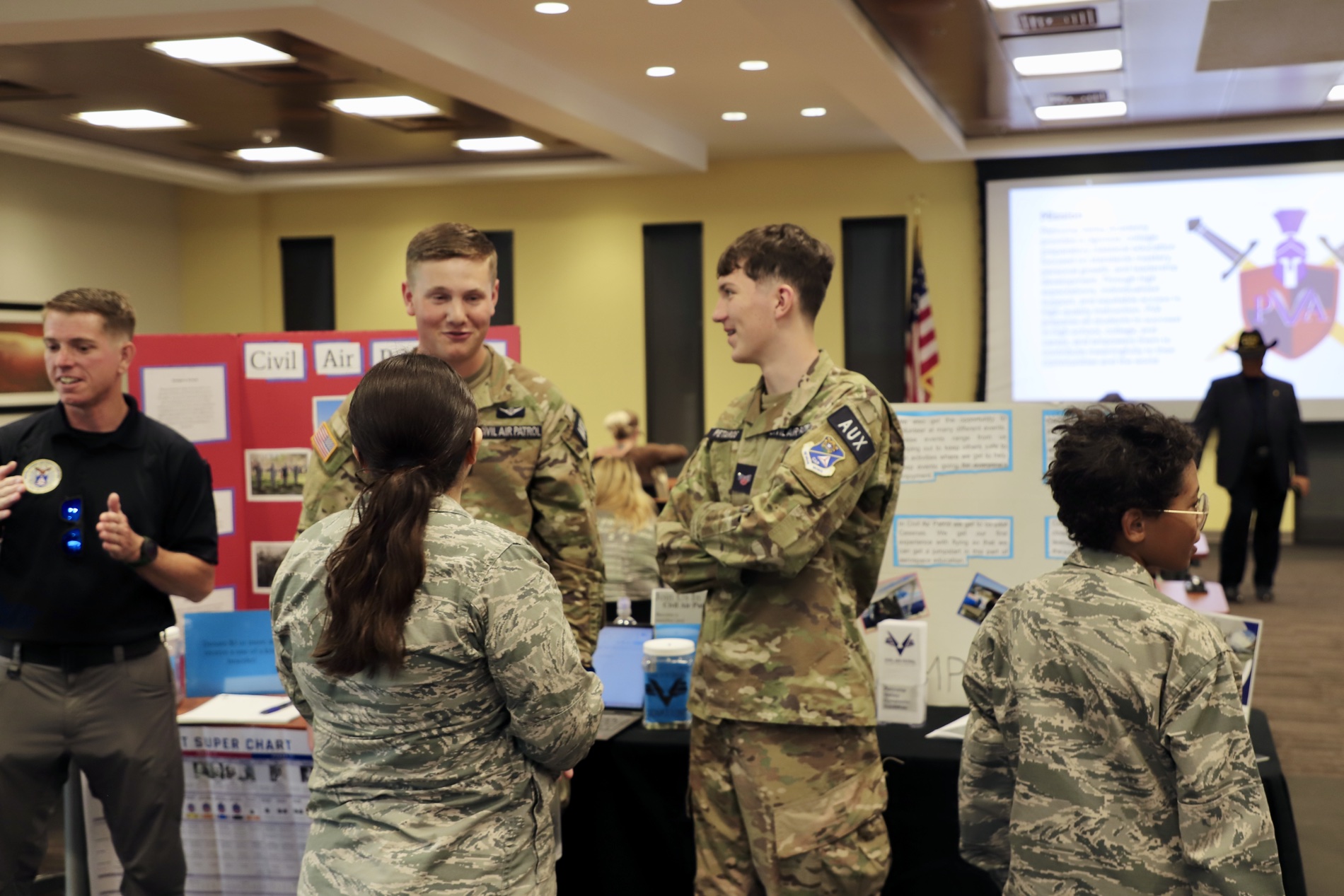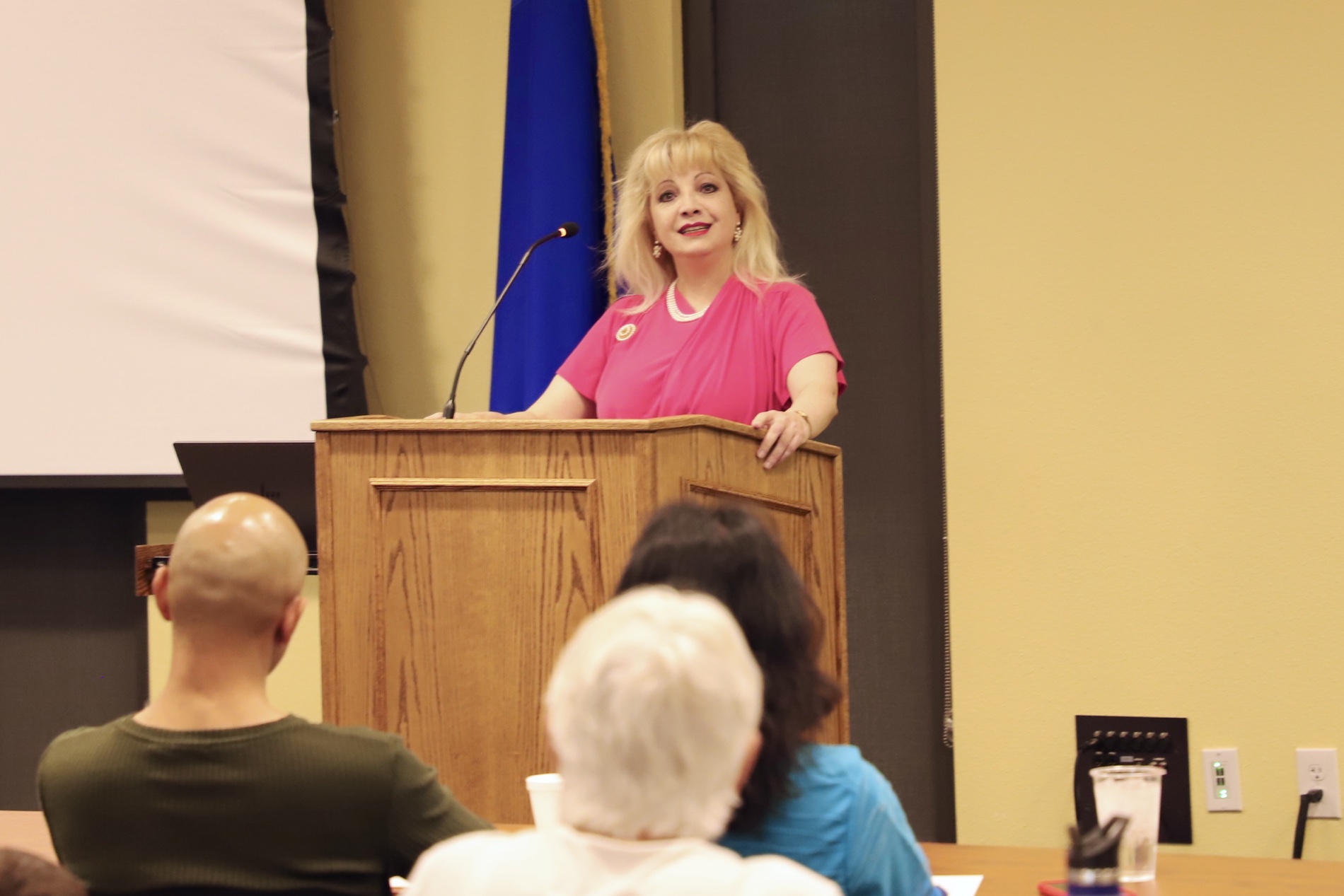

Families interested in learning more about Pahrump Valley Academy got an early look at the school’s educational philosophy, long-term vision and student support model during an Open House event held Monday, June 15 at the Valley Electric Conference Center.
The event, held from 4 to 6:30 p.m., gave community members an opportunity to meet school leadership, ask questions and learn more about the charter school’s planned approach ahead of its anticipated fall 2027 opening.
Although the school has not yet opened its doors, interest already appears to be building as families begin exploring what a new educational option could bring to Pahrump.
Scheduled to open in fall 2027 pending continued development and implementation timelines, the publicly funded charter school plans to begin serving elementary-aged students while laying the groundwork for long-term growth into a full K–12 educational experience.
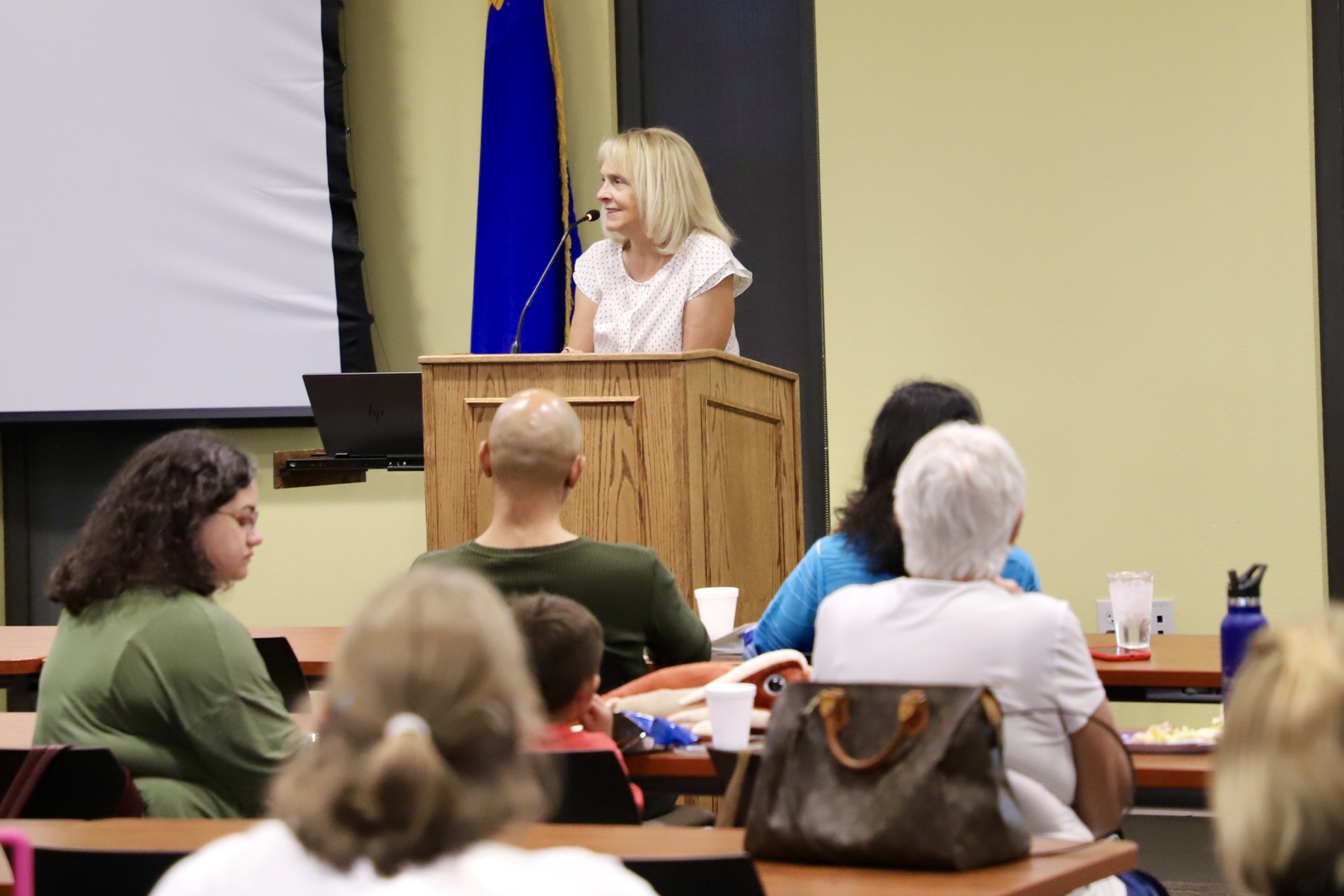
Leading that effort is Executive Director Sable Marandi, whose vision for the school centers around a philosophy that extends beyond academics alone.
Pahrump Valley Academy has been authorized initially as a K–8 charter school and plans to open with kindergarten through fifth grade. The launch model calls for two classrooms at each grade level from kindergarten through fourth grade and a single fifth grade class during the opening year, with one grade added annually as the school expands. The long-term plan includes applying to extend authorization through grade 12 as those students advance.
Marandi said the decision to begin smaller is intentional.
Rather than growing rapidly, the school’s leadership wants time to establish strong academic foundations and develop students who are prepared to move successfully into later grade levels.
Part of that strategy includes giving special attention to the school’s oldest students in its opening year.
According to Marandi, the fifth-grade class will receive additional focus on leadership development and campus culture as the school works toward creating an environment where students increasingly take ownership of their education.
“We are there as advisors,” Marandi said. “We are making certain we are preparing our learners for leadership.”
At the center of the academy’s educational approach is classical education — a model Marandi described as both time-tested and intentionally different from approaches often associated with modern instruction.
Classical education traces its roots to Greco-Roman traditions and emphasizes helping students learn how to think rather than simply what to think.
Rather than focusing exclusively on memorization or standardized processes, classical education encourages students to move through increasingly sophisticated stages of learning and reasoning.
Marandi explained that the framework commonly follows what is known as the “trivium,” which includes three developmental stages.
The first stage emphasizes gathering foundational knowledge and is most closely associated with elementary years. Students absorb information broadly and build the base that supports future learning.
The second stage, often connected with middle school years, centers on logic and analysis. Students begin recognizing patterns, examining ideas and making sense of the world through reasoning and critical thinking.
The final stage focuses on rhetoric and expression — helping learners communicate ideas, create, present and build persuasive arguments based on what they have learned.
For Marandi, the model aligns closely with one of the school’s larger priorities: ensuring students truly master concepts before moving forward.
That philosophy also shapes how the school intends to approach intervention and student support.
Rather than focusing strictly on fixed student-to-teacher ratios, Pahrump Valley Academy plans to emphasize flexible instructional support systems designed around student need.
Universal instruction will occur in classrooms, but staff members intend to continually review student progress and identify learners who may benefit from additional support in smaller groups or individualized settings.
Marandi said that support structure is expected to include instructional aides, instructional coaches and intervention-trained staff members working together to respond as student needs emerge.
The goal, she said, is not simply to provide additional instruction but to help students better understand themselves as learners.
“We want to get all our students to a place where they assume responsibility for learning,” Marandi said.
That philosophy extends into how students interact with technology.
While technology will remain part of instruction, Marandi emphasized that traditional learning methods will continue to play an important role.
Handwriting instruction, physical books and direct engagement with learning materials remain important pieces of the academy’s vision.
Technology, she said, should function as a meaningful tool rather than entertainment.
“We will embrace technology,” Marandi said, “but we will not replace traditional methods with technology.”
She added that students will be encouraged to understand not only how technology works but also its broader purpose and impact.
The school’s approach to student development also extends beyond academics.
Although traditional competitive athletics are not currently part of the initial plan — particularly as the school prioritizes instruction and intervention resources during startup years — physical education will still be intentionally designed.
Marandi shared that programs such as martial arts are being considered as a way to help students develop awareness, discipline and understanding of their physical capabilities.
As a public charter school, Pahrump Valley Academy will follow public enrollment requirements and cannot selectively admit students.
If demand exceeds available seats, enrollment would be determined through a lottery process.
Even before formal recruitment efforts begin, Marandi said community interest has already been strong, with nearly 200 expressions of interest already received.
She emphasized that prior academic or behavioral struggles would not exclude students from consideration.
Marandi spoke personally about the importance of creating opportunities for students who may have experienced challenges in traditional settings and said schools have a responsibility to help support those learners.
Teacher recruitment is also being approached intentionally.
Marandi said Pahrump Valley Academy intends to offer competitive compensation while recognizing the central role teachers play in shaping school culture and student outcomes. The school also plans to participate in Nevada PERS as a publicly funded institution.
Future informational and open-house style events are expected as the school moves closer to opening, though the next event has not yet been scheduled.
Throughout the process, school leaders say they intend to continue gathering feedback from residents and shaping decisions around community input.
“We belong to this community,” Marandi said. “Everything we do, we hold an event, we get feedback from our community, and we look back at the feedback.”
Marandi also shared a message she said she had been wanting to express publicly.
“We are so grateful. So grateful to be in Pahrump,” she said. “Where the service organizations truly play their part as pillars in this community. We love them. We appreciate them. We are grateful to them.”
As planning continues ahead of the anticipated 2027 opening, Pahrump Valley Academy leaders say their goal remains clear — to create an educational environment focused not simply on delivering information, but on helping students become thoughtful learners, future leaders and active members of the community.
For more information, or to reach Pahrump Valley Academy, visit: https://mypva.school/.