

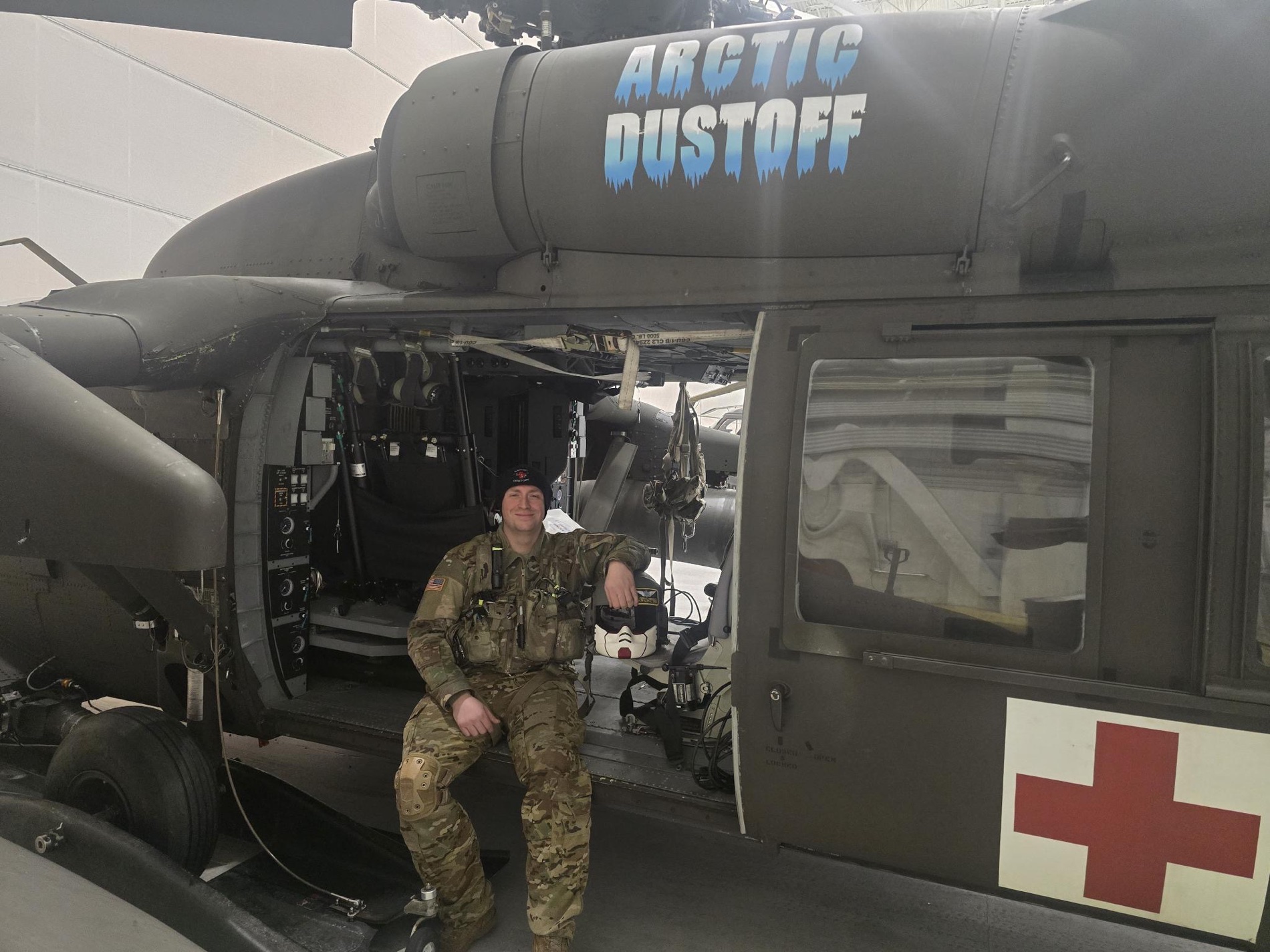

For Pahrump Valley High School alumnus Ezekial Rios Joseph Mendoza, Class of 2015, the years since graduation have been defined by service, discipline and a deep commitment to helping others. From his days as a student-athlete and high-achieving scholar at PVHS to his current role as a Critical Care Flight Paramedic and Platoon Sergeant in Alaska, Mendoza’s journey reflects both the foundation he built in high school and the purpose that has guided him ever since.
Looking back on his time at Pahrump Valley High School, Mendoza remembers graduation as one of the most meaningful moments of that chapter of his life. It was more than a ceremony—it was a celebration of everything he and his classmates had worked toward, and the beginning of what came next.
“Graduation is perhaps my fondest memory,” Mendoza shared. “The night was awesome. Everyone was ecstatic to have graduated and excited for the future and the next phases of our lives.”
He recalled the joy of spending that night with friends, celebrating, telling stories and reflecting on the years they had just completed together. Even now, he said, photos from that night and conversations about life before the Army still bring a smile to his face. For him, it remains a powerful memory—a fitting close to one chapter and the beginning of another he is still building today.
During his years at PVHS, Mendoza established himself as a strong student and competitor. He was named the top student in Advanced Placement U.S. History during his junior year in 2014, earned Academic Letterman recognition every year of high school by maintaining at least a 3.5 GPA, and was selected to attend the Rotary Youth Leadership Award event at Big Bear, California, also in 2014. In athletics, he made varsity in both football and wrestling, giving him experiences that would later help shape the way he leads and works with others.
Though Mendoza has since built a life far from Southern Nevada, Pahrump and PVHS still remain part of his story. He said he has stayed connected to the school largely through his brothers, who also made their mark as athletes and academic scholars during their time at PVHS. That connection gave him opportunities to return to campus for games, award ceremonies and one of his brothers’ graduations. Social media has also helped him keep up with classmates and friends, and having siblings involved in the school’s athletic community in recent years helped him maintain ties to the place where his own journey began.
Among the lessons he still carries from high school into his daily life, Mendoza said team building stands above the rest. It is a lesson that now plays an especially important role in his military career, where leadership and trust are essential.
“Team building is the biggest one,” he said. “Being able to train, develop, and lead my Soldiers is a tremendously rewarding experience.”
He explained that helping others grow into the best version of themselves not only strengthens the mission of the unit, but also supports each individual’s personal goals and aspirations. That mindset—investing in people and helping them succeed—has become a central part of how he leads.
After graduating from PVHS in 2015, Mendoza moved quickly into the next phase of his life by enlisting in the United States Army. He said serving in the military had always been something he wanted to do, and he entered as a healthcare specialist, commonly known as a combat medic. He later continued his education, earning an Associate in Health Sciences from Purdue University Global and another Associate in Health Sciences from the Uniformed Services University.
In the early years of his Army career, Mendoza served as a line medic in an infantry regiment. But even then, he knew he wanted to keep growing, deepen his expertise and expand the level of care he could provide. That desire ultimately led him to volunteer for the United States Army Critical Care Flight Paramedic Program in 2019. He began the program in 2020 and graduated as the distinguished honor graduate, or valedictorian, of his class—an achievement that marked an important turning point in his career.
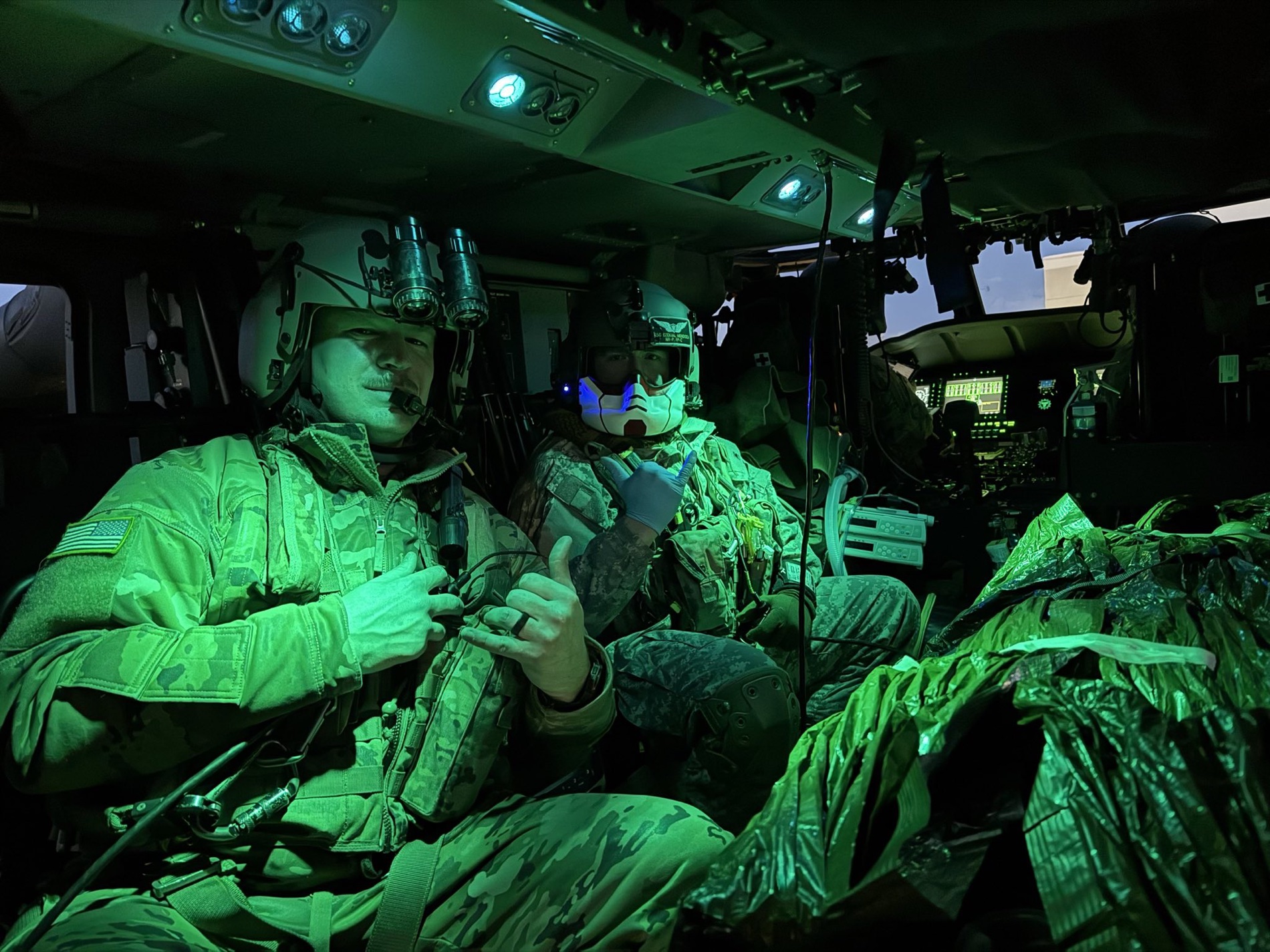
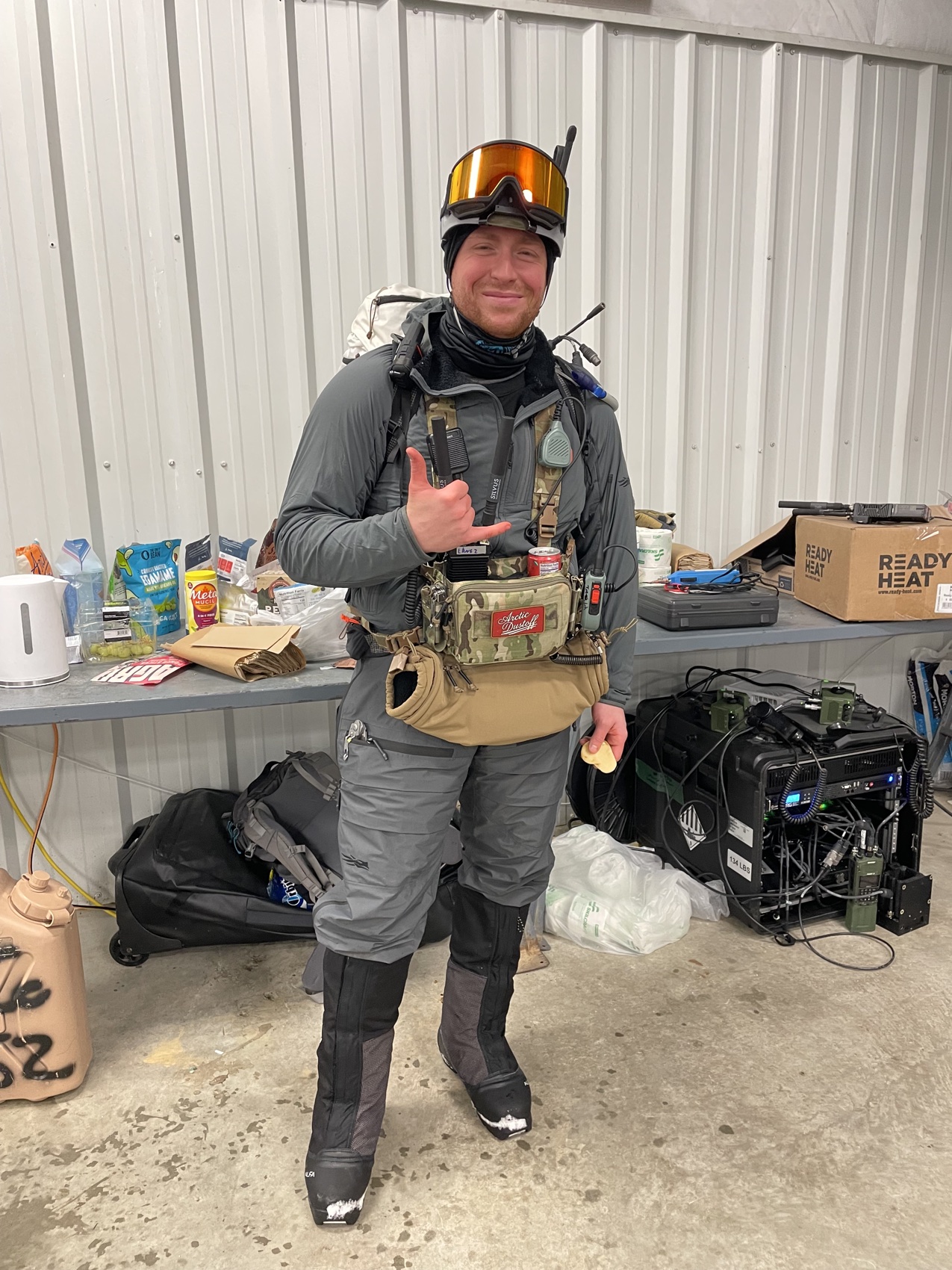
Following that accomplishment, Mendoza relocated to Alaska, where he now serves with Arctic DUSTOFF at Fort Wainwright in Fairbanks. Today, he holds the rank of Sergeant First Class and serves as both a Critical Care Flight Paramedic and Platoon Sergeant. His unit is one of the only active-duty medical evacuation companies with a stateside search and rescue mission, making the work both highly specialized and deeply impactful.
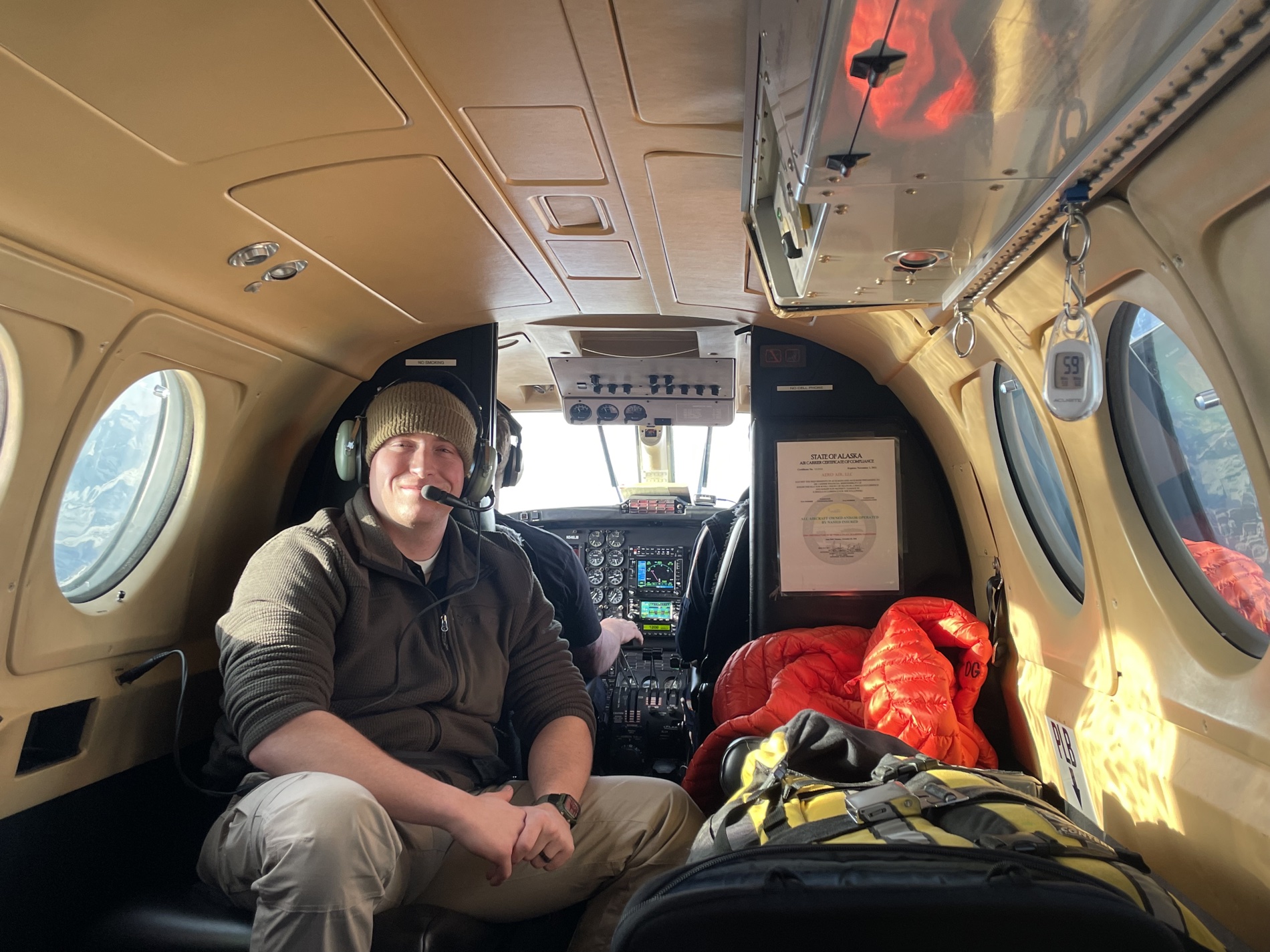
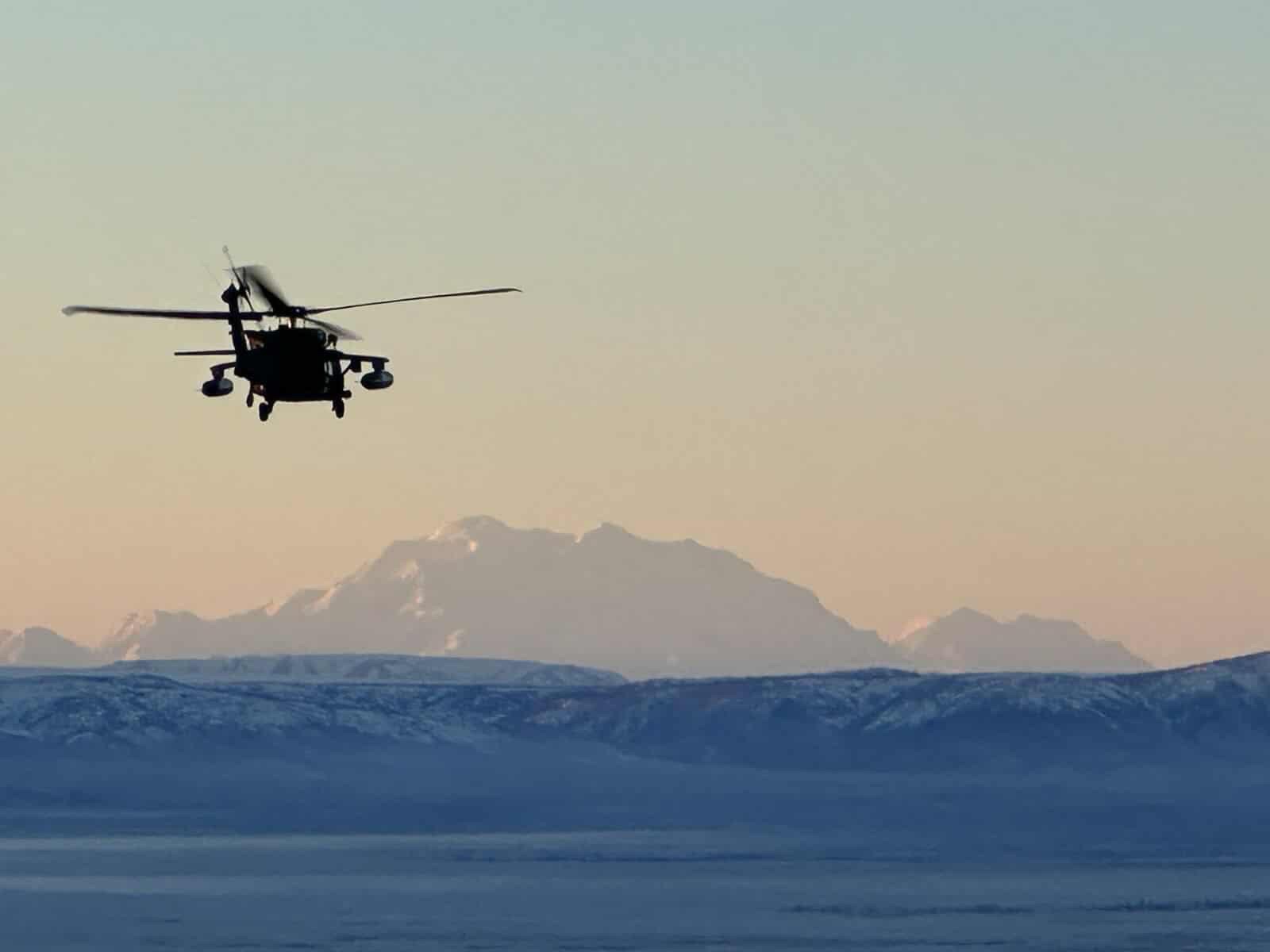
Over time, Mendoza’s responsibilities have grown significantly. What began as a role as a junior flight medic has evolved into much more. He said he has progressed into serving as a senior flight medic, head medical instructor and evaluator, and platoon sergeant responsible for more than 20 Soldiers. During his time in Alaska, he and his team have conducted more than 140 missions and helped save more than 150 lives—numbers that speak to both the intensity and importance of the work.
For Mendoza, the path into healthcare and emergency medicine was never accidental. He said his calling has always been to help people and save lives. While he has long wanted to become a doctor, he also wanted real-world experience in emergency medicine and within the emergency medical services and search and rescue community before attending medical school. The Army, he said, offered the ideal path to develop those skills while also allowing him to complete prerequisites for the future he envisioned.
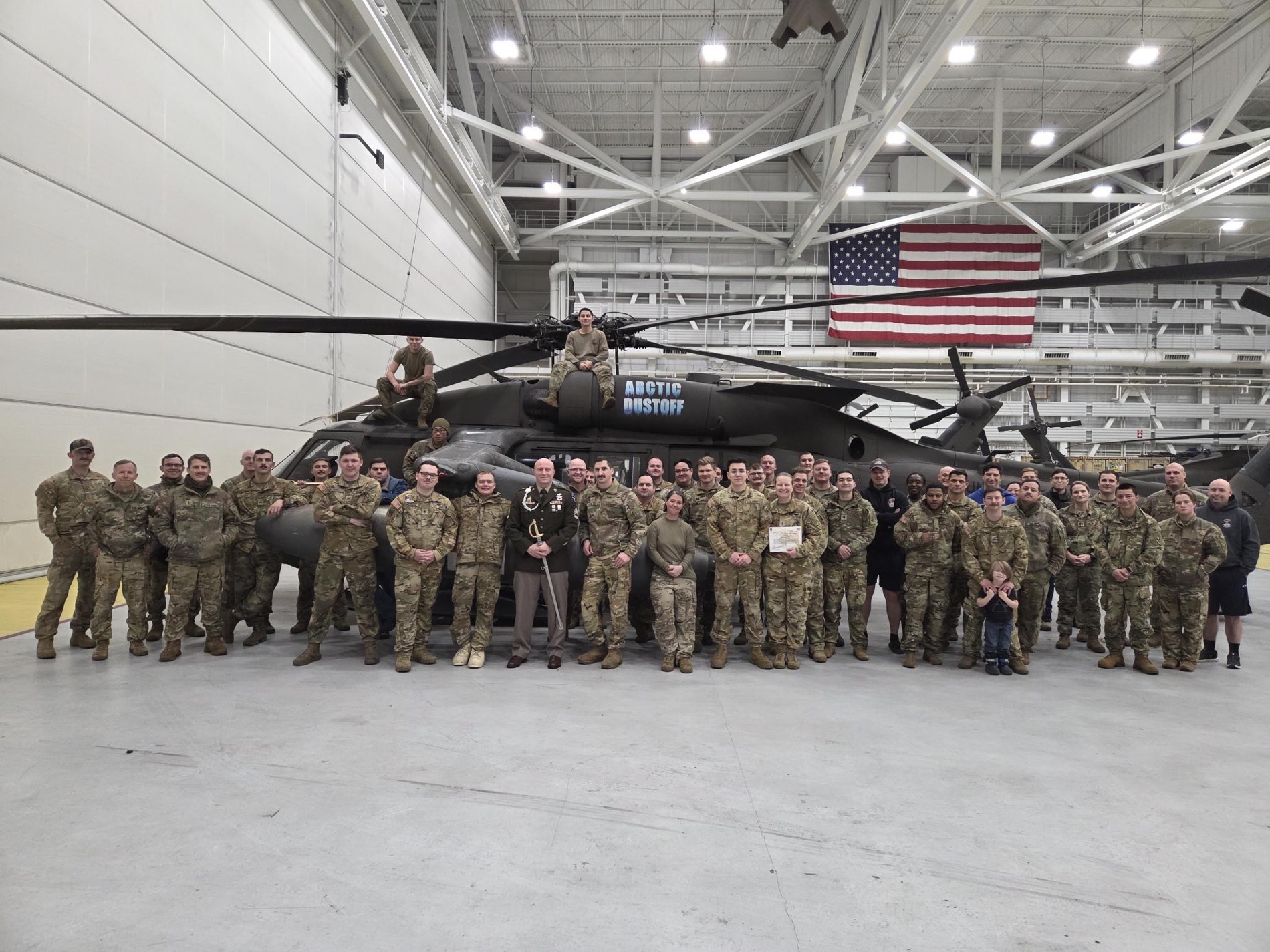
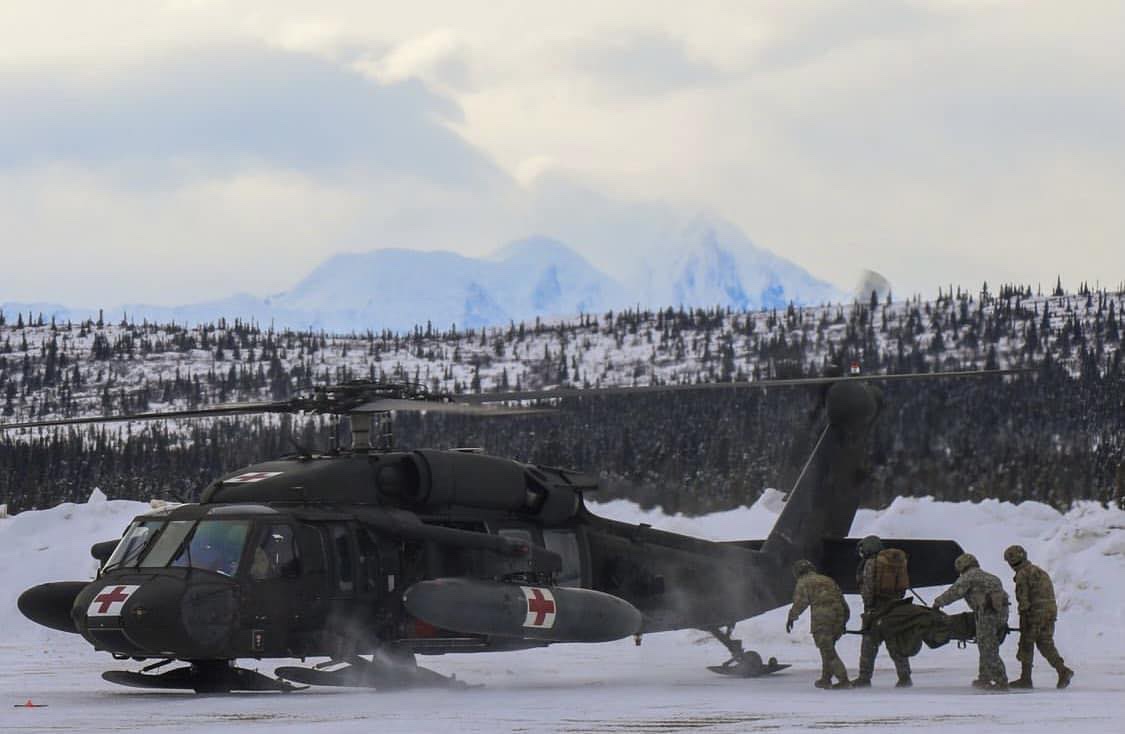
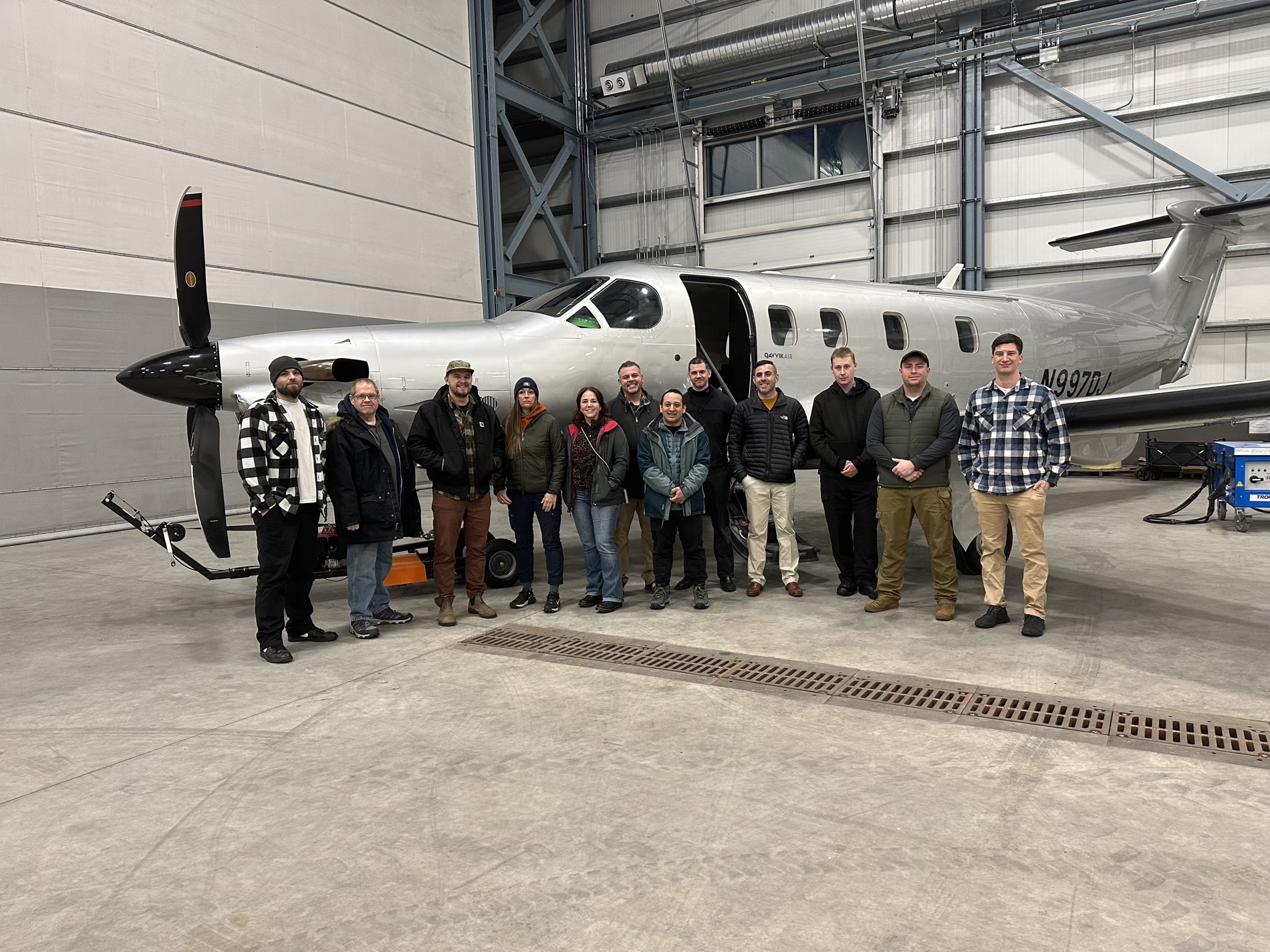
That vision has already led to an impressive list of professional milestones. Beyond graduating at the top of his flight medic class, Mendoza said one of his proudest achievements was receiving the Order of Saint Michael for his contributions to the future of aviation and aviation medicine. He has also had three opportunities to present to the Joint Trauma System, a broad medical community made up of members from all branches of the military, sharing his knowledge on Arctic medicine and the unique realities of working in that environment.
He was also invited to join the Committee of En Route Combat Casualty Care, where he has been able to help shape future doctrine and policy for en route critical care medicine across the joint services. Mendoza described that opportunity as a dream come true, especially because it came relatively early in his career. In another notable achievement, he participated as a student in the Special Operations Forces Arctic Medic course in 2025 and was later asked to return as the Arctic Survival and Arctic Medicine instructor for the course. In that role, he has trained Navy SEALs, Green Berets, Air Force Pararescuemen and European special operations personnel in prolonged critical care in remote environments. He was also selected in 2023 to train Malaysian Commandos in jungle and austere medicine during a joint training exercise.
Mendoza has continued to build his credentials as well, earning board certification as a Flight Paramedic and Wilderness Paramedic, along with a Diploma in Mountain Medicine and rescue. He noted that at the time he earned his Wilderness Paramedic certification, there were fewer than 200 certificate holders internationally—a reflection of just how specialized that qualification is.
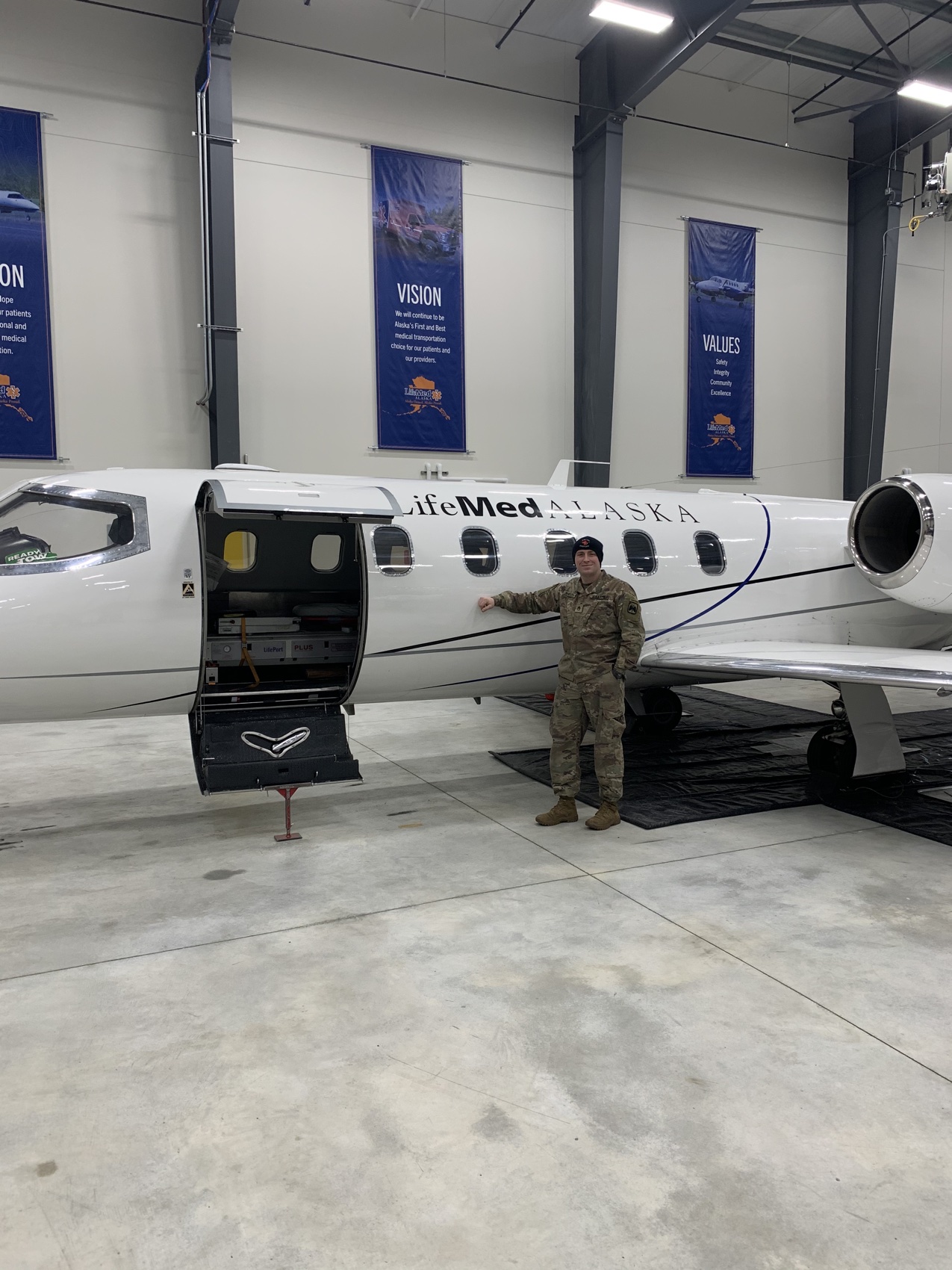
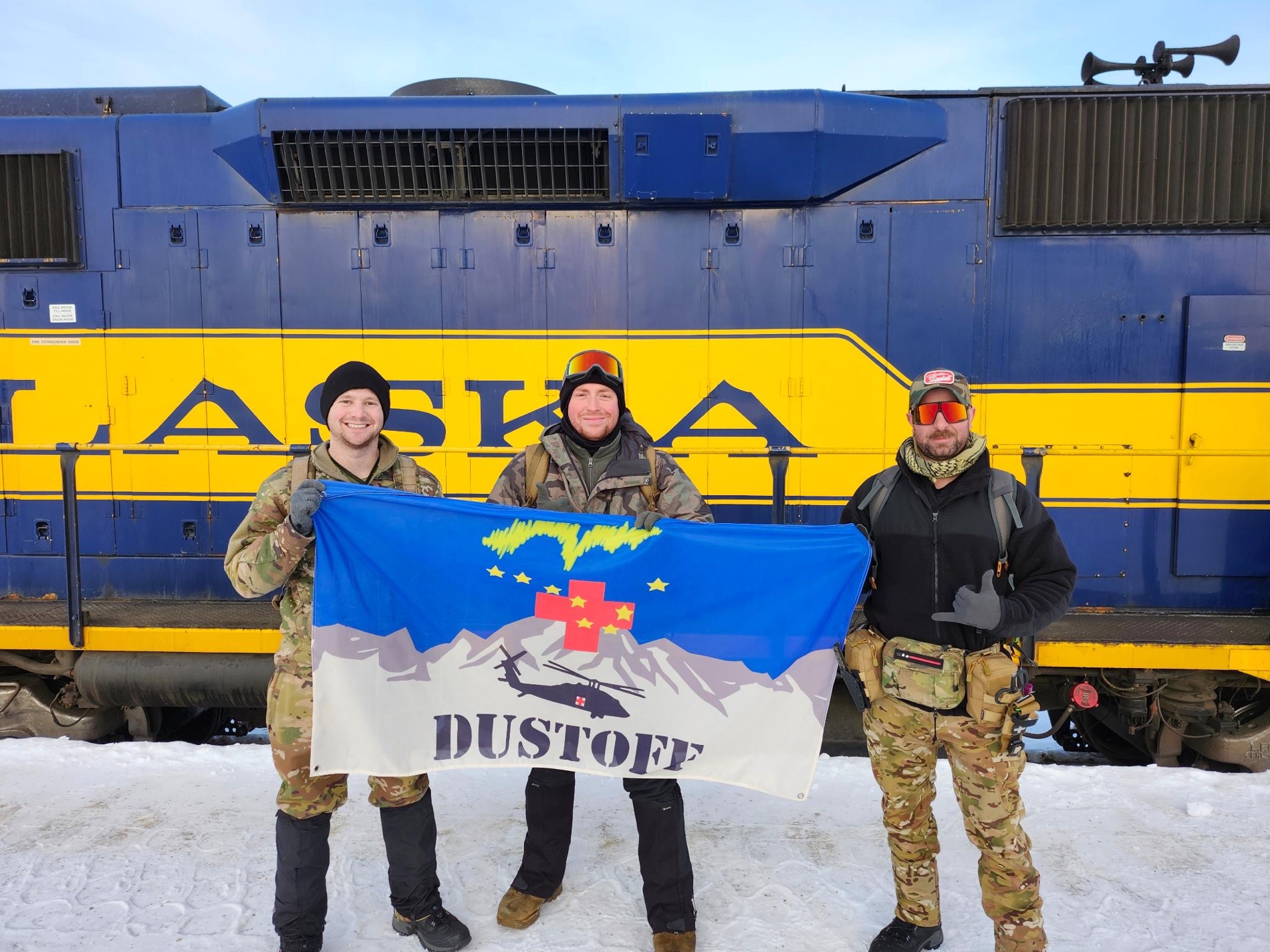
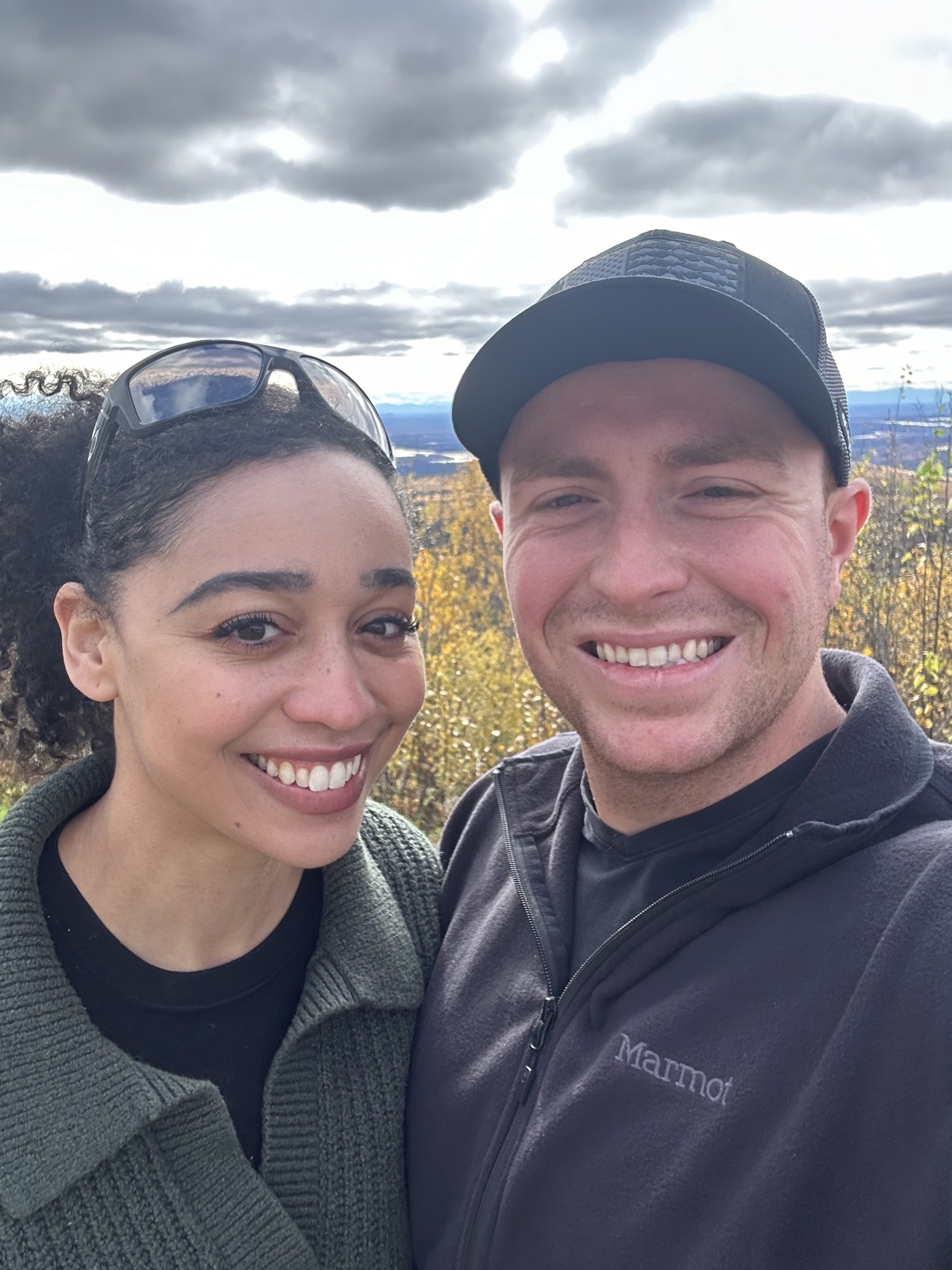
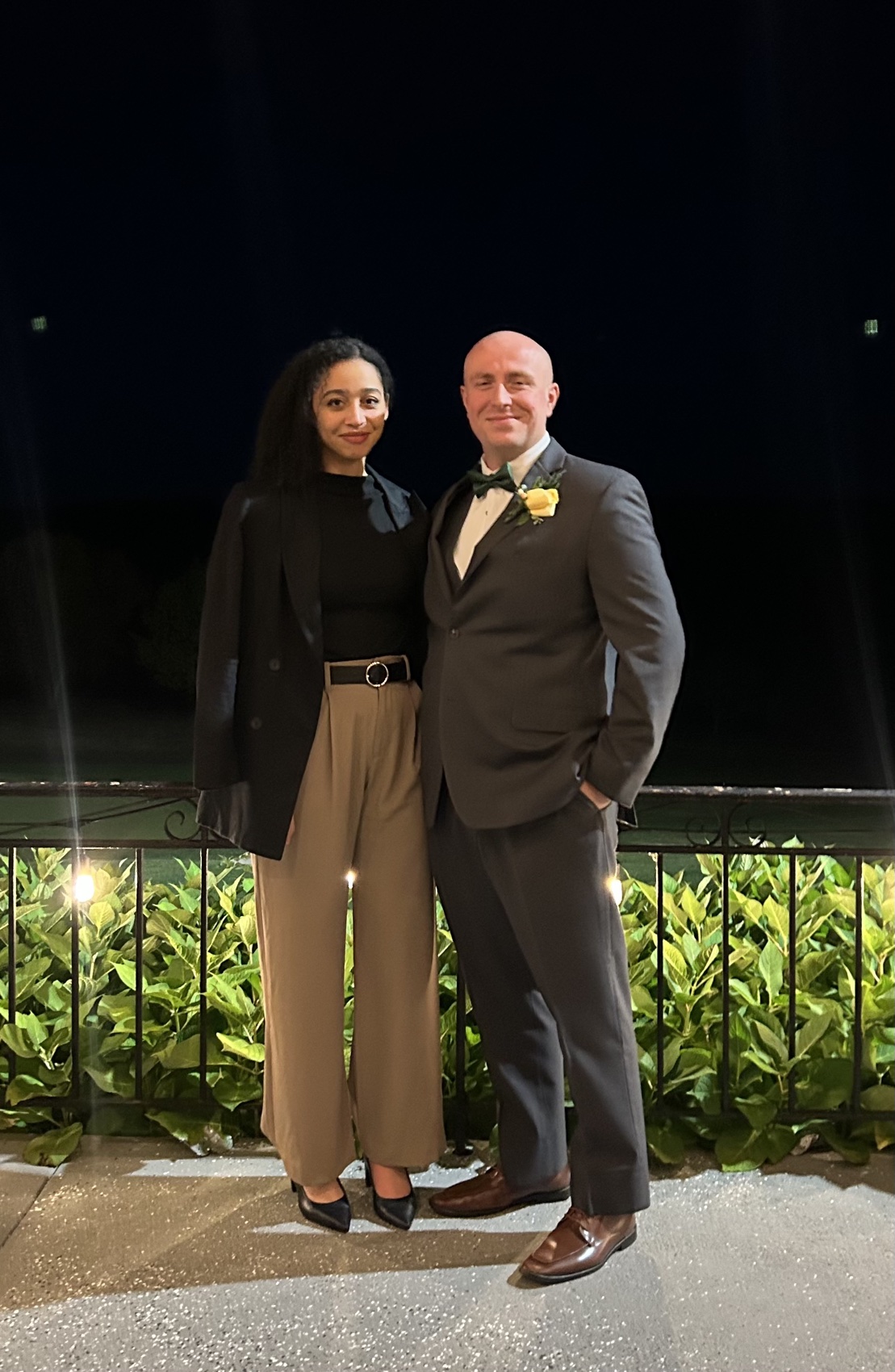
Even with those accomplishments, Mendoza said one of the most important influences in both his career and personal development has been his wife, Ashley, an Army veteran and former Intelligence Analyst. He described her as an unwavering source of support through every course, competition and military rotation, as well as through the emotional weight that can come with emergency medical services and search and rescue work. He said her encouragement has made a tremendous difference throughout his journey.
Like many people working to improve systems from within, Mendoza has also faced challenges. One of the biggest, he said, has been the Army’s resistance to change. While serving in Alaska, he has conducted medical research and experimentation aimed at improving care in austere environments. The challenge was not developing ideas—it was getting the right people to pay attention to the data and proposed solutions. Mendoza said he overcame that obstacle by spearheading networking efforts with providers, development companies and senior Army leaders, eventually earning opportunities to feature his work at military medical conferences. One significant milestone came when his proposed treatment techniques and solutions were featured at the annual Special Operations Medical Association conference, helping bring wider attention to his research.
Those experiences have also shaped some of the most important lessons he has learned professionally. Mendoza said humility matters, as does remaining open to learning from both senior and junior colleagues. He also believes there is wisdom in recognizing when an opportunity may be better suited for someone else, rather than always pursuing it for oneself. Above all, he said compassion has tremendous value in developing and supporting others, and even a brief moment spent listening to someone can make a meaningful difference.
For young people hoping to pursue a similar path, Mendoza’s advice is clear: never stop training. In healthcare, and especially in emergency medicine, preparation is everything. He emphasized the importance of studying, running drills and pursuing volunteer opportunities so that when the first real call comes, the provider is as prepared as possible. He added that even in difficult situations, there is peace in knowing you gave your best and did everything you could.
Outside of his formal military role, Mendoza continues to serve in other ways. He volunteers with two fixed-wing medical evacuation agencies, AirCare Alaska and LifeMed Alaska, which allow him to travel throughout the state and provide care to people in remote rural villages with limited access to healthcare. Between those agencies and his Army unit, he said he has flown more than 40 missions and provided over 200 hours of critical care. He has also volunteered with the Remote Area Medical group, helping provide free healthcare to nearly 270 people in Fairbanks. Looking ahead, he hopes to one day return home and take part in one of the organization’s free popup clinics in Pahrump so he can give back directly to the community where he started.
In his personal life, Mendoza and his wife are currently focused on pursuing their goals before starting a family. He shared that Ashley, who is originally from southern New Jersey, was an accomplished athlete and scholar in her own right. She attended Saint Joseph’s University in Philadelphia on both a Division I track scholarship and an academic scholarship, earned a bachelor’s degree in international relations and also studied abroad in China. The two met in 2016 while she was completing an internship in Washington, D.C., and they were married in 2021.
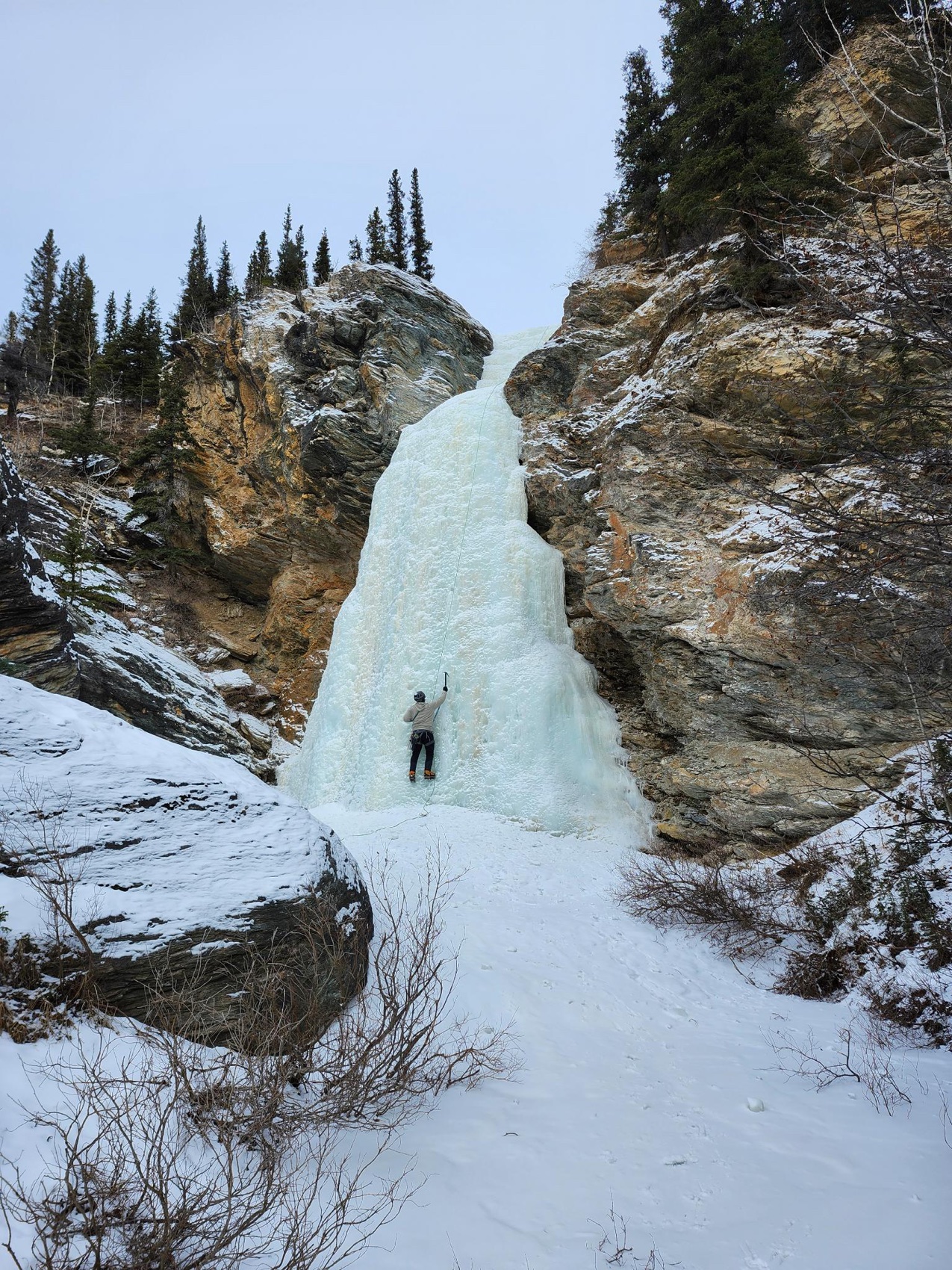
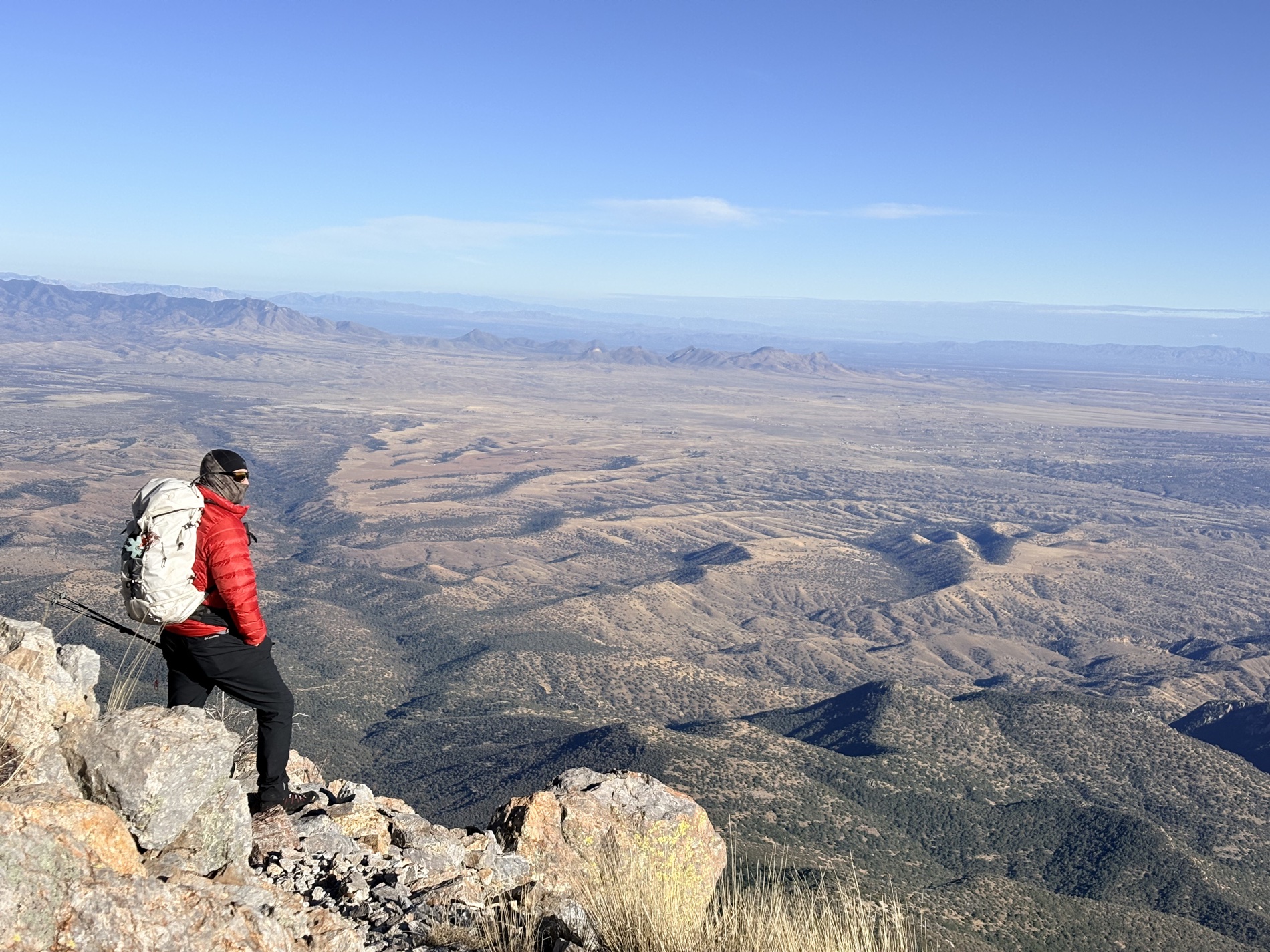
When he is away from work, Mendoza enjoys a wide range of outdoor and cultural pursuits. He is especially passionate about alpinism, spending Alaska’s milder winter months ice climbing and the summer and fall rock climbing. He has summited several peaks in the Alaska Range and has also traveled to the southern United States to climb in Arizona. He said he already has a list of mountains in Nevada he hopes to tackle when he eventually returns to the lower 48. Fishing is another major interest, and he has traveled throughout Alaska in pursuit of salmon, trout, pike and grayling, noting that fly-fishing is the best way to take up angling in the state. He also enjoys visiting museums and historical sites, including the Smithsonian museums in Washington, D.C., museums across Europe with his wife, and those he has visited in Alaska.
Asked how he balances his demanding professional life with those personal interests, Mendoza answered honestly: balance can be difficult. The military, he said, consumes much of day-to-day life. Because of that, he plans trips well in advance and commits to them despite weather or other challenges that might arise. Having a wife who shares many of the same interests makes that time together even more meaningful.
As accomplished as he already is, Mendoza said his biggest long-term goal is still ahead of him. He plans to attend medical school and pursue a career in Emergency Medicine, which he described as the main goal he has been building toward throughout his career. After medical school, he hopes to complete his military career and retire before continuing in medicine in the civilian world. Ideally, he said, he would like to serve as an emergency medical services director so he can remain closely connected to the prehospital care environment that has meant so much to him.
He is also energized by current projects already underway. Mendoza said he is excited about upcoming research that is being presented at the Special Operations Medical Association conference this April. At the same time, he is working to establish a blood component program for his company. If successful, it would place his unit among the small number of active-duty medical evacuation teams carrying blood stateside for Soldiers injured during training. He also hopes those blood components could eventually be approved for civilian use in Alaska, expanding critical care capabilities there as well.
Through it all, Mendoza has not forgotten where he came from. In reflecting on his journey, he expressed gratitude to those who believed in him and invested in his future. He said the support he received has been given back many times over through every patient he has transported and every person he has had the honor to rescue. In one especially meaningful symbol of home, Mendoza shared that a Nevada flag hangs in his office and another is displayed on his flight helmet, a visible reminder of where his journey began and who he continues to carry with him.
For Pahrump, his story is a powerful example of what it means to take the lessons of home into the wider world. From PVHS classrooms, athletic fields and leadership opportunities to lifesaving missions in some of the most demanding environments imaginable, Mendoza has built a path marked by excellence, humility and service—one that continues to grow, and one that proudly traces back to Pahrump Valley High School.

