

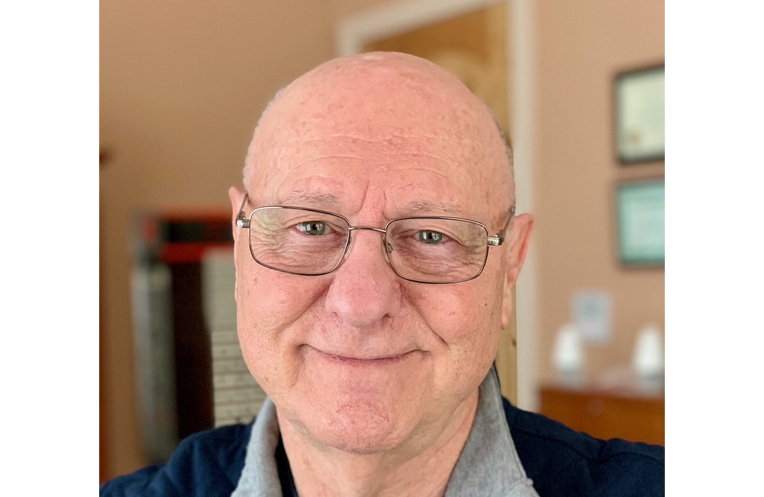

A new memorial scholarship fund established through Living Free Health will honor the life of Vincent J. Poerio by recognizing something he deeply believed in — the ability of people to grow, make the most of a second chance and help others along the way.
The Vincent J. Poerio Memorial Scholarship Fund was established by Poerio’s daughter, Living Free Health founder Shelley Poerio, following her father’s death on July 3, 2026, at the age of 88.
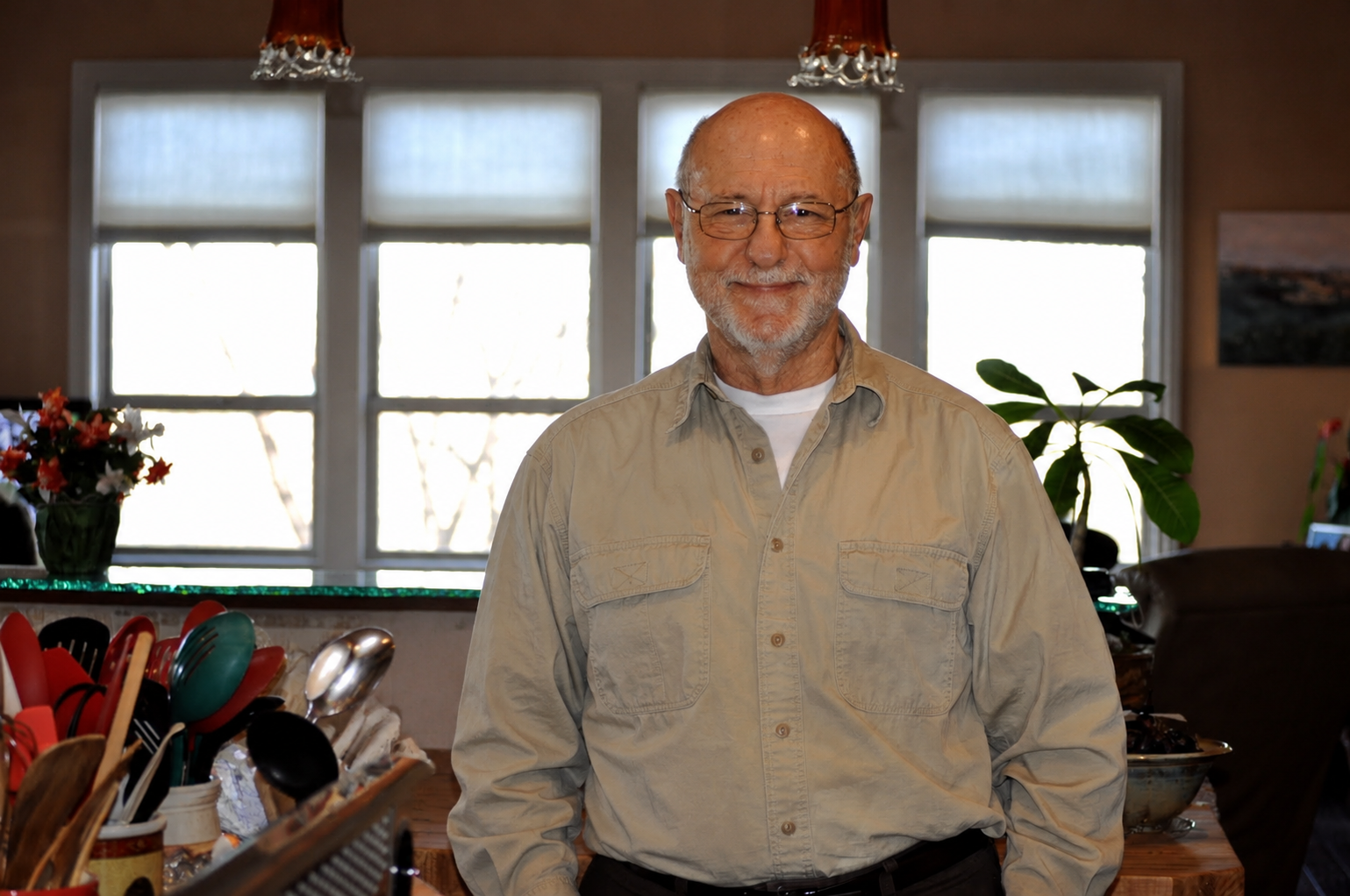
Now, Living Free Health is accepting donations to build the fund, with the goal of awarding its first two $1,000 scholarships in conjunction with the organization’s annual Art for Recovery event on April 10.
Unlike a traditional scholarship tied specifically to college or vocational education, the Vincent J. Poerio Memorial Scholarship is intended to provide unrestricted financial assistance to rural and frontier Nevadans who have demonstrated an ongoing commitment to recovery.
Each year, two recipients are expected to receive $1,000. Qualified applicants will have between one and five years of uninterrupted abstinence from psychoactive substance abuse and be actively engaged in an ongoing recovery program, whether through formal treatment or community-based sober and social support.
The scholarship is not limited to Living Free Health clients.
Poerio said that distinction is important. The fund is intended to reach people throughout Nevada’s rural and frontier communities, including places such as Beatty, Amargosa Valley, Tonopah,etc. where recovery resources can be limited. And should someone from one of the frontier areas win, assistance will be given to allow them to accept the award in person without it adding a financial burden.
“Wouldn’t it be nice if we were able to award somebody in one of those remote areas, because it just further shows that they’re not alone?” Poerio said.
The scholarship was created in memory of a man whose connection to Living Free Health was largely behind the scenes, but whose impact on the organization was significant.
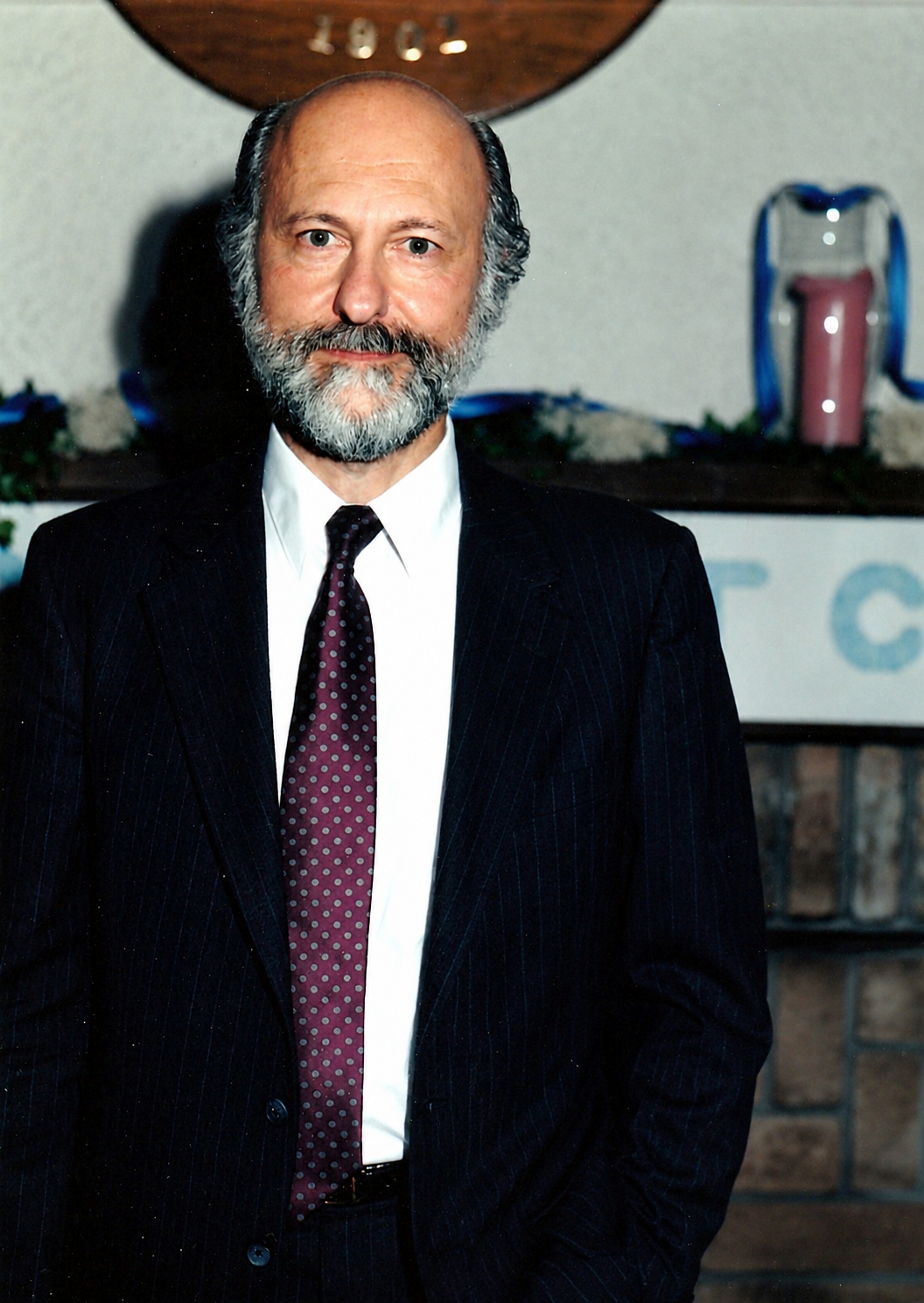
Vincent Poerio lived in El Dorado Hills, California, and spent much of his professional career in pharmacy. After opening his own pharmacy in the 1960s, he eventually chose to leave the demands of around-the-clock entrepreneurship to spend more time with his family. He later joined Mt. Diablo Hospital in Concord, California, eventually becoming its chief pharmacist as the hospital expanded its capabilities.
Throughout his career, his daughter said, he believed strongly in mentorship, personal responsibility, merit and giving people opportunities to succeed.
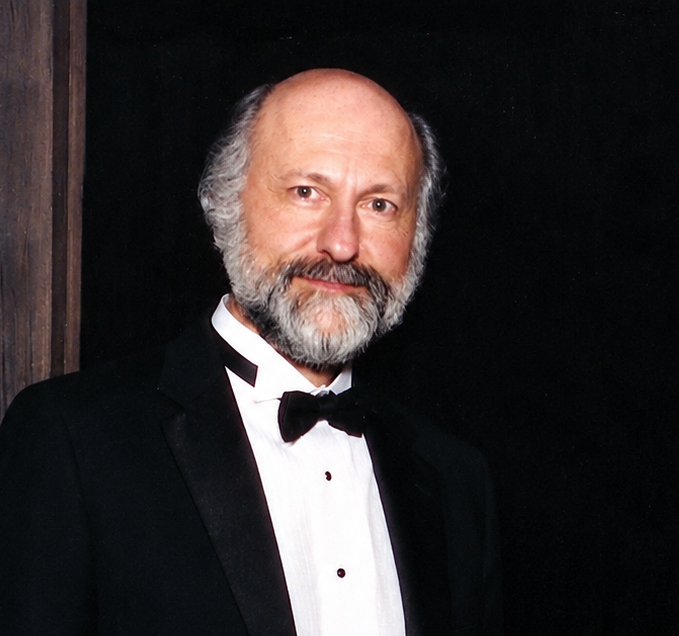
“He was very big on mentoring people,” Poerio said.
At his funeral, she learned even more about the effect that philosophy had on the people who worked alongside him. She heard stories of pharmacists who entered the hospital focused simply on doing their jobs, only to have her father encourage them to consider what more they were capable of achieving.
That same belief in helping people become the best version of themselves became part of the foundation upon which Living Free Health was built.
Poerio founded Living Free in Las Vegas in 2013 after beginning her own recovery journey years earlier. She moved the organization to Pahrump in October 2017 and opened its first sober homes in early 2018.
Getting there, however, was far from easy.
As Poerio attempted to build Living Free, she spent years developing programs, writing curriculum, offering services and navigating licensing, contracts and Medicaid credentialing. By late 2018, despite having secured a juvenile probation contract and continuing to provide treatment, the organization was facing a financial crisis.
Poerio had exhausted her savings and available credit and finally turned to her father.
She asked him for a $6,500 bridge loan, intending to repay him over the following year once Living Free began receiving Medicaid reimbursements. Her father asked her to make a financial presentation explaining the need.
He agreed.
Then a $10,000 check arrived.
It wasn’t a loan.
“This is a donation,” his accompanying note told her, asking only that she send him a receipt for his taxes.
“I credit my Dad with saving Living Free,” Poerio later wrote while reflecting on his life and the organization’s history.
His support did not end with that check. Over the years, he became someone his daughter could turn to for business guidance, helping her examine problems from different perspectives, consider potential outcomes and recognize things she might otherwise have missed.
He also watched Living Free grow.
Today, the organization operates four sober living homes with 28 beds that Poerio said are almost always full. Between residential and other clients, Living Free typically serves approximately 45 to 50 people at a time, in addition to its work with juvenile probation. Across its programs and therapeutic workplaces, the organization employs approximately 28 to 30 people.
For Poerio, that growth carries particular meaning because her parents witnessed both her struggles with addiction and what became possible through long-term recovery.
Over time, their understanding of addiction changed as well.
They saw people rebuild their lives, become employees, take on responsibilities and discover careers and opportunities they once may never have imagined for themselves. Poerio believes those experiences helped reduce the stigma surrounding addiction for her parents — something she hopes the new scholarship can continue to do for others.
“We do recover. We do stay recovered for a long time,” Poerio said. “It’s not something to be ashamed of because you’ve overcome something huge.”
That long-term success is at the heart of the scholarship.
Poerio said treatment programs naturally tend to concentrate on the immediate work of recovery — the first few months, six months or perhaps a year. The memorial scholarship is intended to look further down the road and recognize those continuing to make choices every day to sustain that recovery.
“This is going to acknowledge that ongoing success,” she said.
It is also why recipients will be trusted to determine for themselves how the money can best help them continue building their lives.
The $1,000 award could go toward rent, utilities, groceries or overdue bills. Someone might need transportation to reach a better job, clothing for a new career, child care, a professional license or training for a trade. For another recipient, it could provide an opportunity to do something meaningful with their children that has remained financially out of reach.
There will be no requirement that the money be spent on education.
That freedom reflects Vincent Poerio’s belief that individuals should be given the opportunity and responsibility to make decisions for themselves.
“It’s unrestricted funds,” Poerio explained. “We want it unrestricted so that they can make that choice.”
Even making an imperfect decision, she said, can become part of the learning process.
It is a philosophy rooted in the idea that recovery is about more than abstaining from substances. It is also about rebuilding the ability to make decisions, accept their consequences, develop independence and discover what a successful life means to each individual.
Poerio has seen firsthand how an opportunity can change the direction someone believes their life can take.
She recalled helping one person in recovery obtain training for a professional certification. When the process was complete, he asked if he could hug her. He had once believed addiction had defined what the rest of his life would be.
Today, he is working in that new profession.
“You change the trajectory of their life,” Poerio said.
Those are the kinds of stories the Vincent J. Poerio Memorial Scholarship hopes to recognize — people who have accepted a second chance and continued moving forward.
Applications are expected to open in early 2027, with specific deadlines and an essay topic to be announced later. Applicants will submit essays, with six finalists selected for interviews. A team representing Living Free Health’s Board of Directors, executive management, clinical staff and peer support teams will evaluate the applications, essays and interviews before choosing the recipients.
Poerio hopes the first two scholarship recipients can be incorporated into the April 10 Art for Recovery event, allowing the evening not only to share stories from those currently moving through treatment, but also to recognize what sustained recovery can look like years later.
For now, the focus is on building the scholarship fund.
Living Free Health, a 501(c)(3) nonprofit organization, is accepting tax-deductible contributions specifically designated for the Vincent J. Poerio Memorial Scholarship Fund. Donations are maintained in a segregated fund within the organization’s accounting system and will be used for the scholarship awards.
If community support allows the fund to grow beyond its initial goal, Poerio said there is also the possibility of expanding the program in the future.
For a daughter grieving the loss of a father who supported her when she needed a second chance of her own, the scholarship provides a way for the lessons he taught throughout his life to continue reaching others.
Vincent Poerio believed in mentorship. He believed people should have opportunities to better themselves. He believed in personal responsibility, but also in extending a hand to someone willing to do the work.
The scholarship bearing his name will now carry those principles forward, one second chance at a time.
Those wishing to contribute can donate through Living Free Health’s website and note “VJP Fund” in the payment description or notes. Checks designated for the fund may also be mailed to Living Free Health, 2050 N. Nevada Highway 160, Suite 700, Pahrump, NV 89060.
Questions about the scholarship fund or donations can be directed to Shelley Poerio at 702-600-2527 or shelley@livingfreehealth.org.


2 Comments
I have known Shelley for years and am very proud of all the work that she does. Please go stop by Livng Free Cafe off 160 and I believe Bell Vista. Great food and great people. God Bless
Thank you so much. You’ve always been one of our biggest supporters and most kind.