

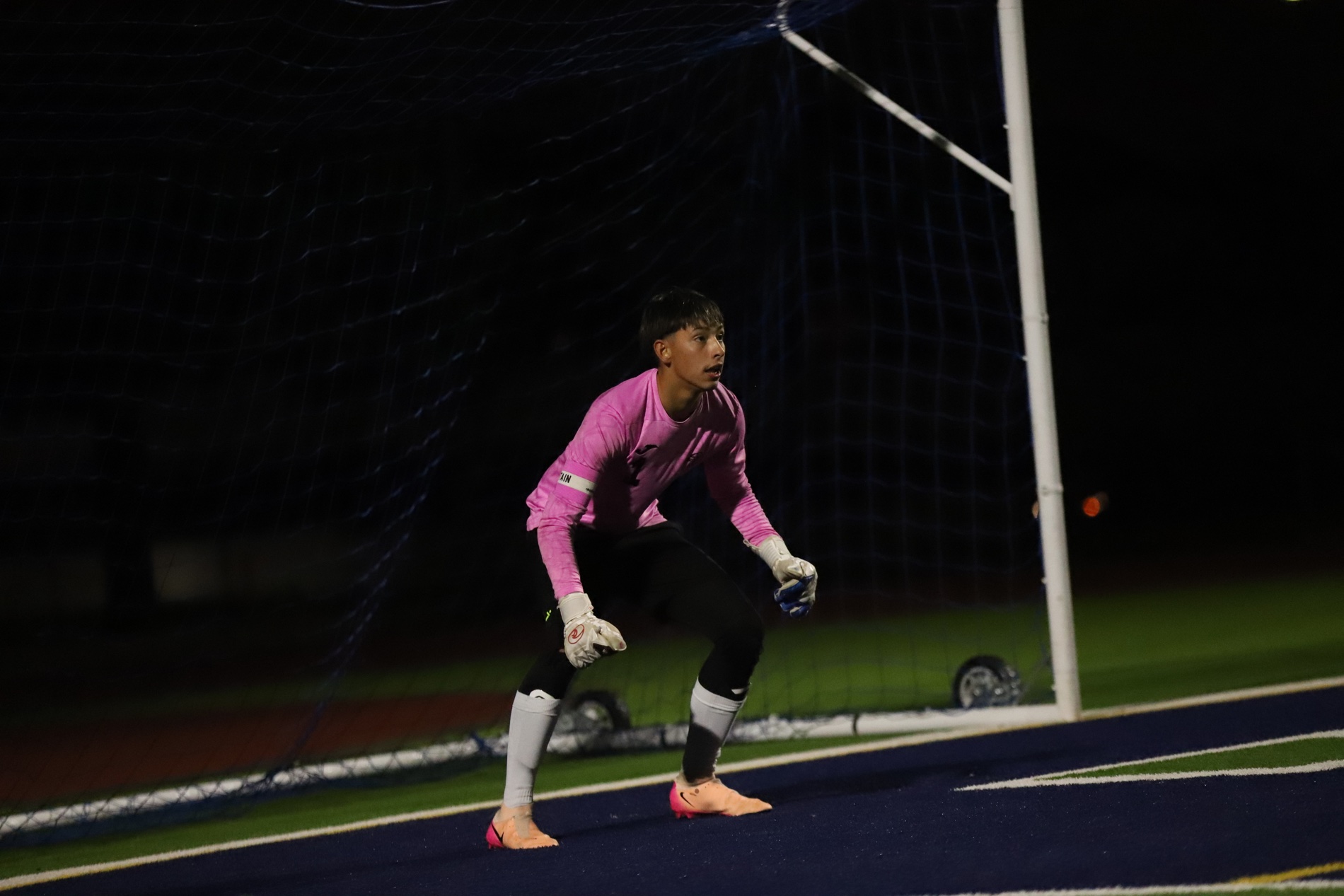

For PVHS Senior Cayden Cowley, the path to collegiate athletics wasn’t always part of the plan. In fact, for most of his life, his future looked very different—rooted in military service, discipline and a desire to follow in the footsteps of the men in his family.
“For as long as I can remember, I was set on the Marines,” Cowley said. “That was always my plan. I was going to go in, fight for my country like my grandfather, my uncle and my dad, and then retire and become a security police officer out at the Nevada Test Site.”
That vision—serving his country like his grandfather, uncle and father—was something he carried for years. College athletics weren’t even on his radar. But sometimes, all it takes is someone believing in you before you believe in yourself.
That moment came at the end of his junior soccer season, when his father, Neil, and head coach Andrew Norton pulled him aside with a message that would change everything.
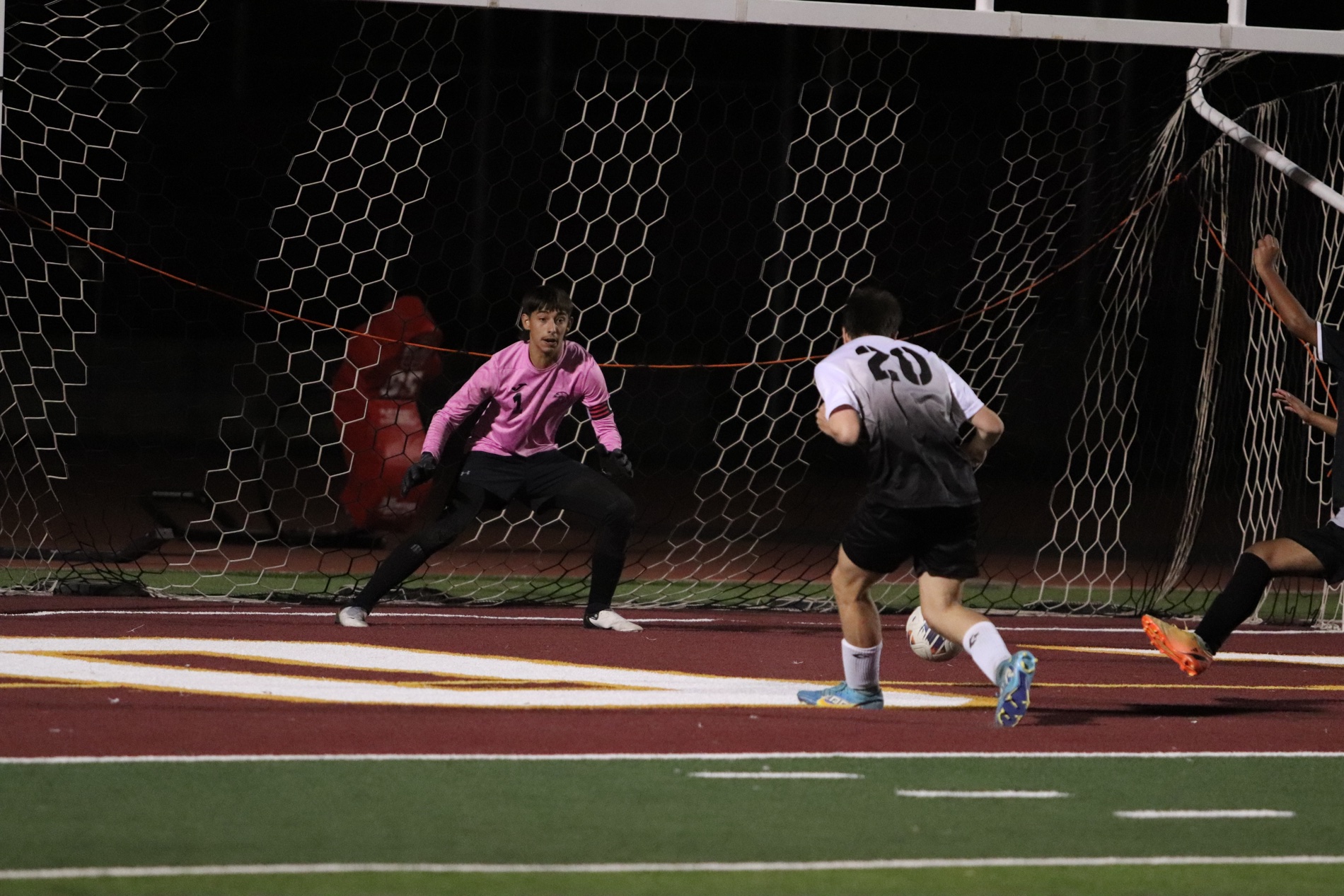
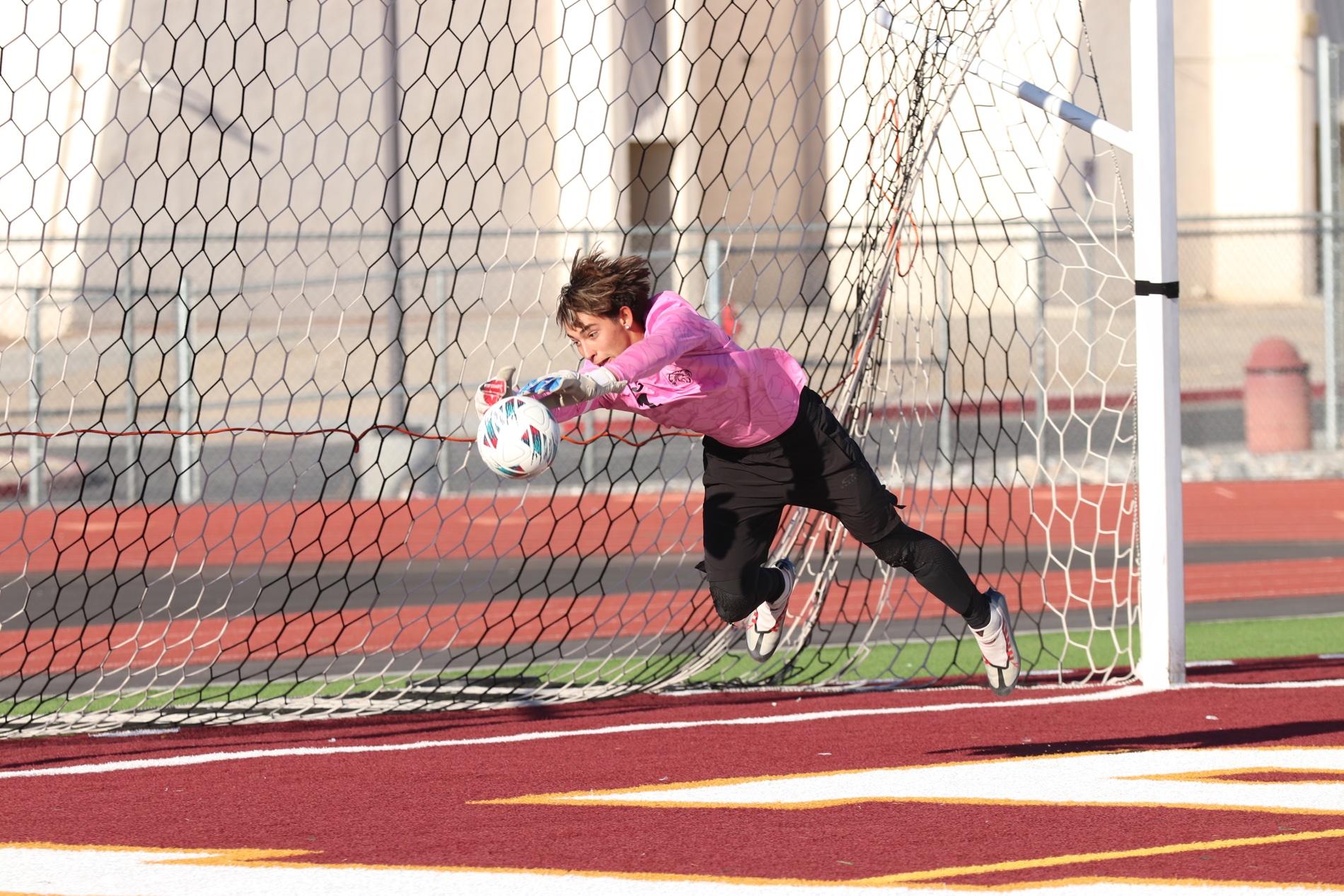
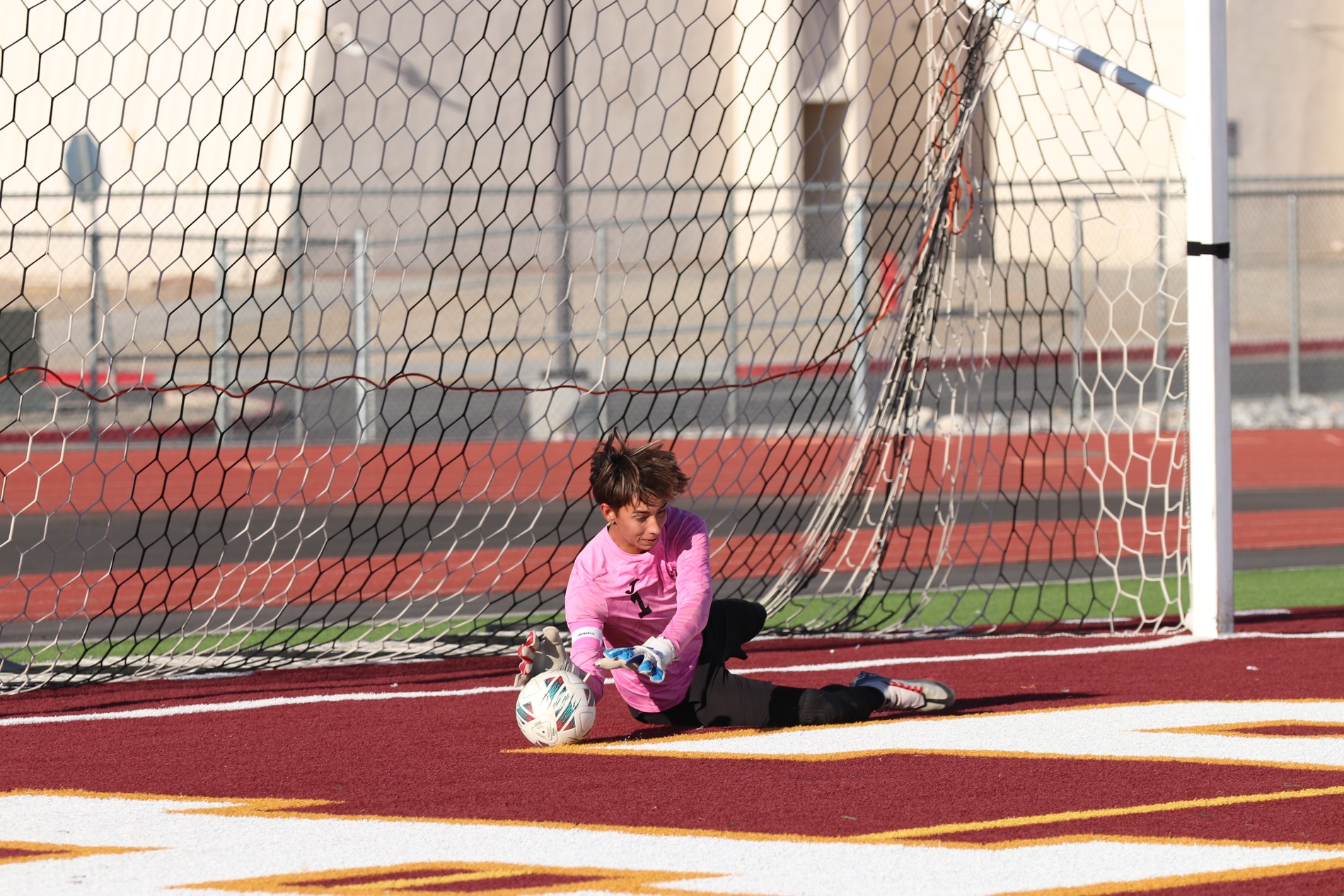
“They were like, ‘Seriously, you can go to college to play soccer. There’s not a lot of goalies,’” Cowley recalled. “And they just kept pushing and pushing.”
At the time, Cowley admits he didn’t see himself that way. Like many athletes, he wrestled with doubt.
“Two years ago, I thought I wasn’t good enough to play college anything,” he said.
Still, with nothing to lose and everything to gain, he decided to take a chance.
“Worst case scenario, nothing happens and I go to the Marines like my plan,” Cowley said. “So I wasn’t losing anything.”
That decision—to simply try—would open doors he never imagined.
After putting together his highlight reel and entering the recruiting process, the responses came quickly—but it was the very first one that set everything in motion.
“Vermont texted me,” Cowley said, recalling the moment Zachary Blazer reached out. “Coach Blazer said they looked at my stuff and liked what they saw. They told me they were losing their goalies and asked if I’d want to come play for them.”
That first offer from Vermont State University changed everything. What started as a single opportunity quickly turned into something much bigger. In the days that followed, additional programs from Kansas, North Carolina, Maine and beyond began reaching out, each one reinforcing what Vermont had already seen.
What followed was overwhelming in the best way possible. Offers, interest and opportunity—everything he once thought was out of reach suddenly became real.
But just as quickly as that excitement came, doubt crept back in.
“I started looking at the requirements, and I got nervous that I wasn’t going to qualify,” he said.
For a moment, it felt like everything might slip away before it even began.
“I was like, I’m not getting into Vermont. I kind of lost all hope,” Cowley said.
Instead of walking away, he reached out—honest and upfront about his situation. What came next was another turning point.
“I texted the coach and told him, ‘I don’t know if my academics are strong enough,’” Cowley said. “And he said, ‘Apply and let’s see what happens.’”
So he did.
When Cowley received his first acceptance letter, his initial reaction was, “Holy crap, I can actually go to college.” From there, the momentum only grew. Within a 24-hour span, acceptance letters began rolling in from every school he applied to. Each one was a reminder of how far he had come.
But one stood above the rest.
When Cowley received his acceptance to Vermont State University, it wasn’t just an opportunity to play soccer—it was validation.
“I got accepted to play college ball and got a $7,000 academic scholarship,” he said. “When I got that, I almost started crying.”
The scholarship, known as the Trailblazer Award, represented something even bigger than financial support.
“I was like, ‘I am good enough to go to college,’” Cowley said.
That realization—earned through years of work, sacrifice and growth—meant everything.
“A lot of blood, sweat and tears went into it,” he said. “They say hard work pays off, and it really does.”
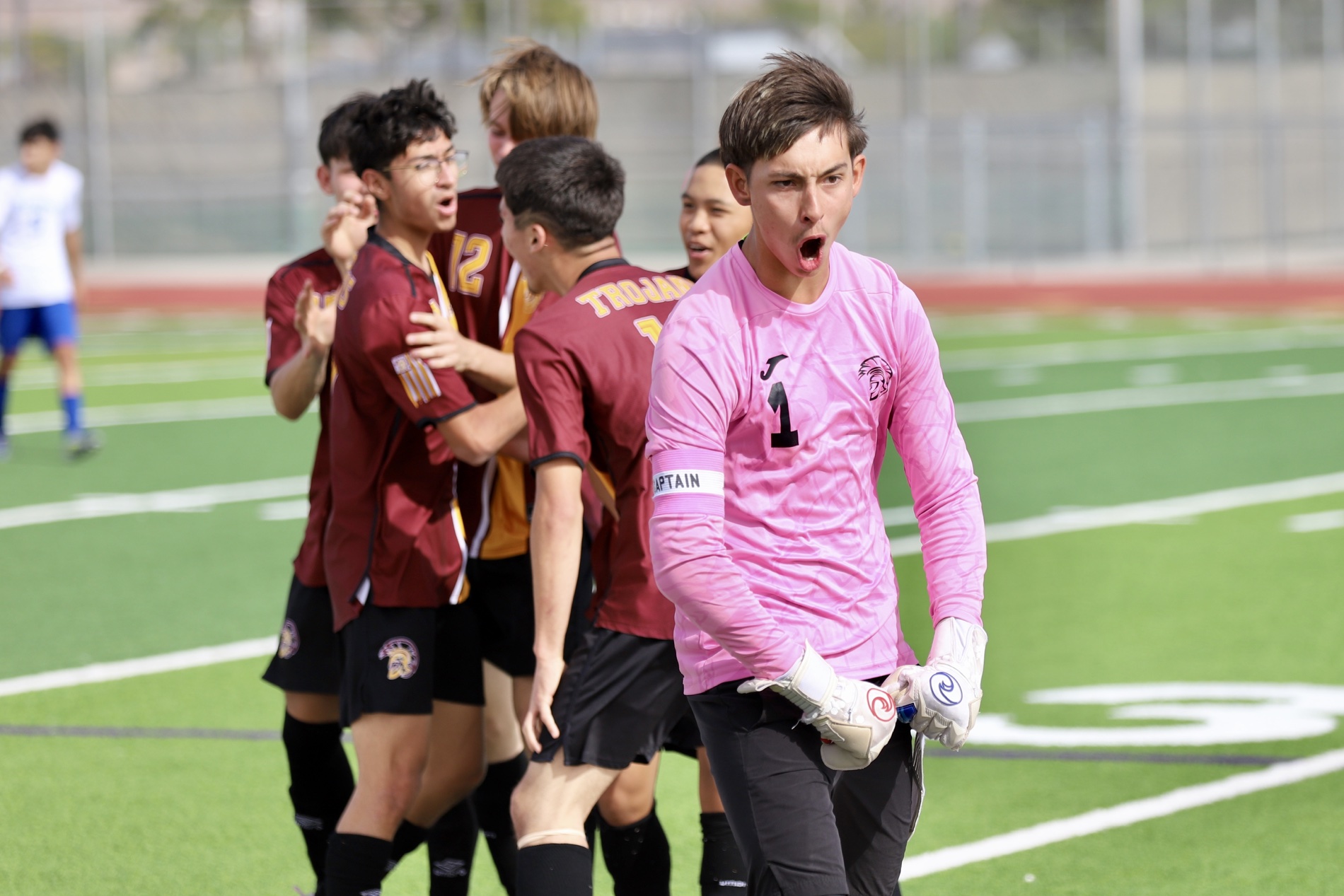
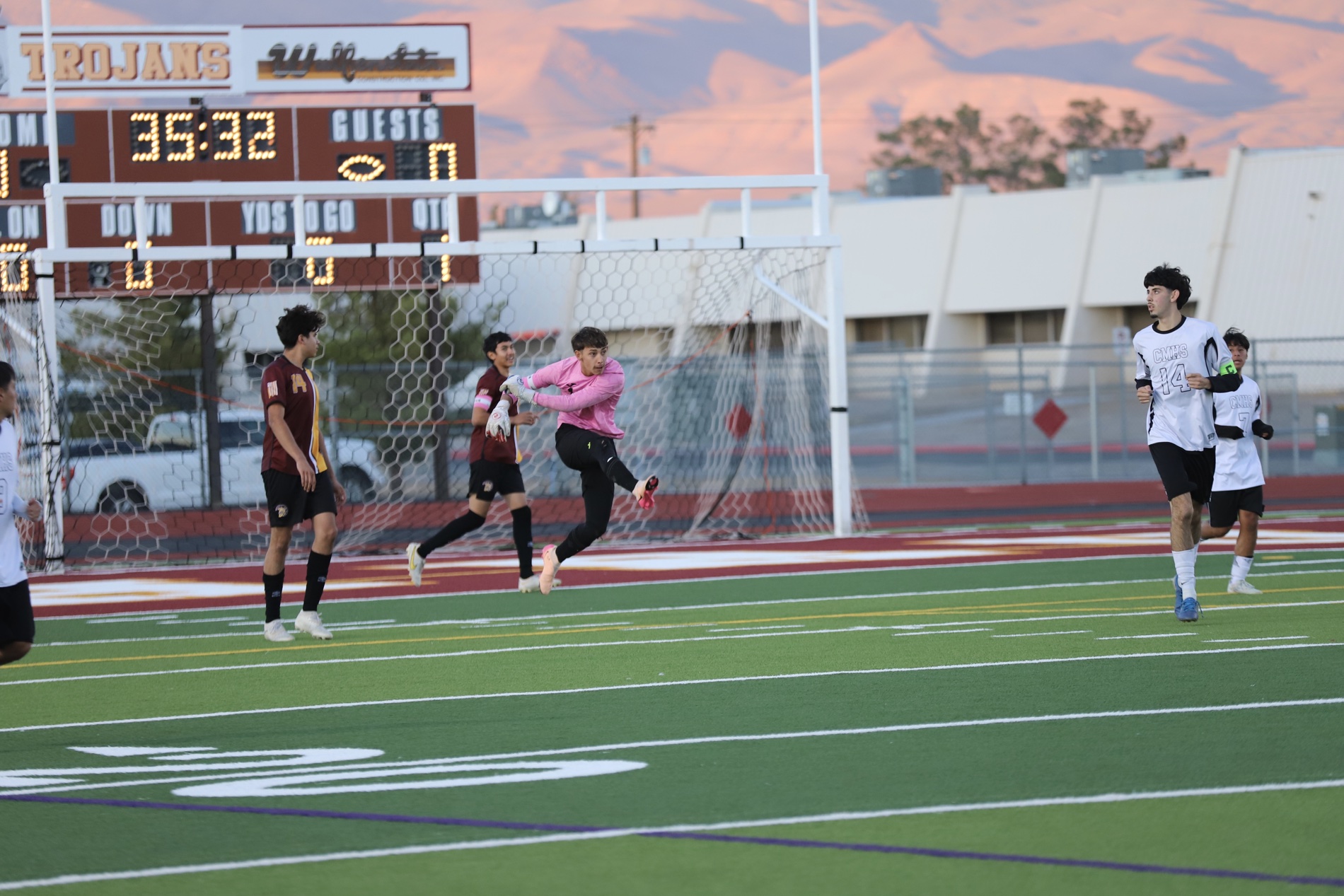
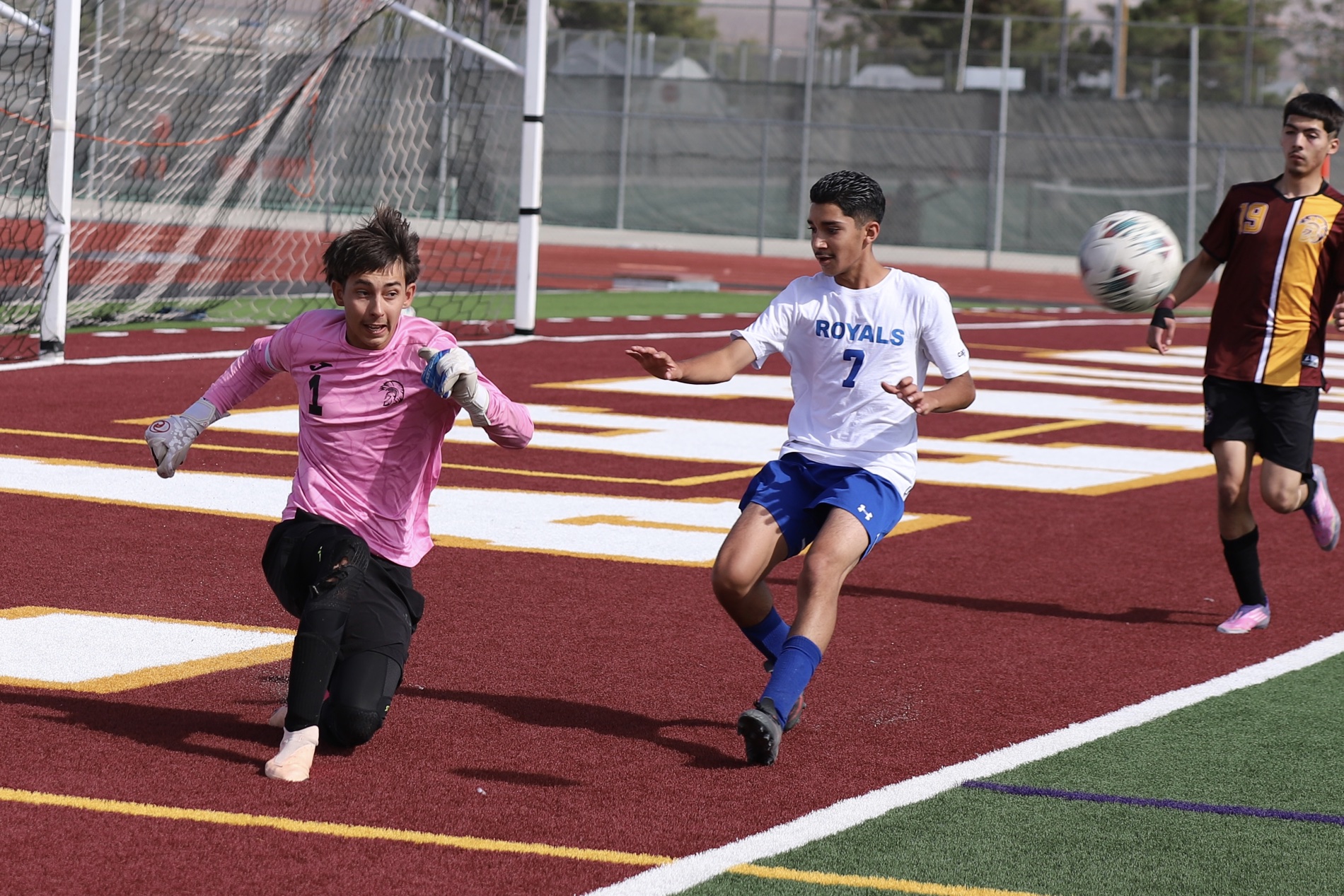
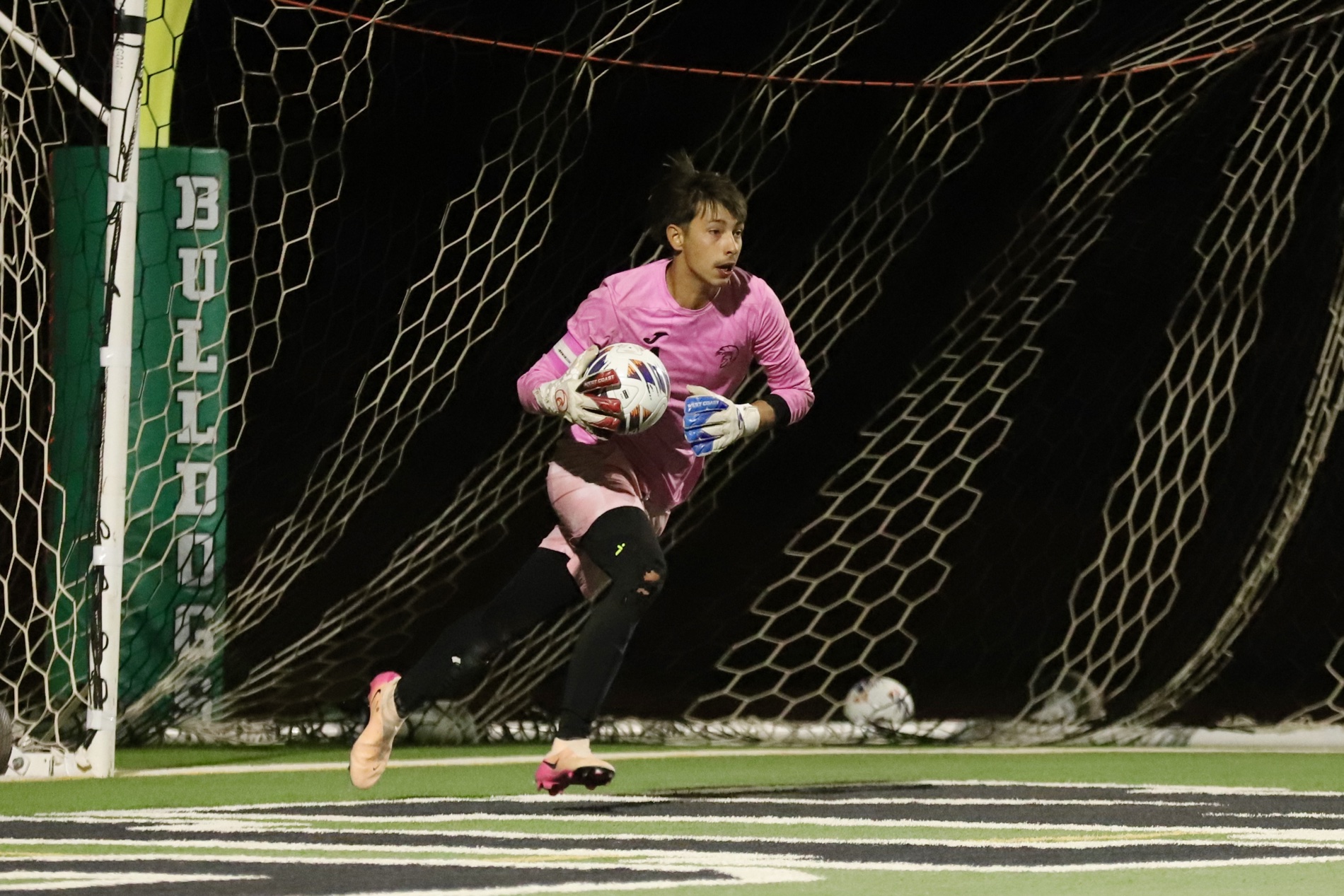
Cowley will head to Vermont, nearly 40 hours from home, to begin the next chapter of his journey—something that brings a mix of emotions.
“I’m excited, I’m nervous, I’m scared,” he said. “But I’m proud of myself.”
That pride is rooted in a journey that began long before recruitment calls and college offers. From the time he was young, sports were a constant in his life.
“Since my feet were big enough to put cleats on, I’ve been playing,” he said.
Growing up, Cowley played everything—football, baseball, soccer, even rodeo. His parents, Neil and Lacie, encouraged him to stay active, helping channel his energy and keep him focused.
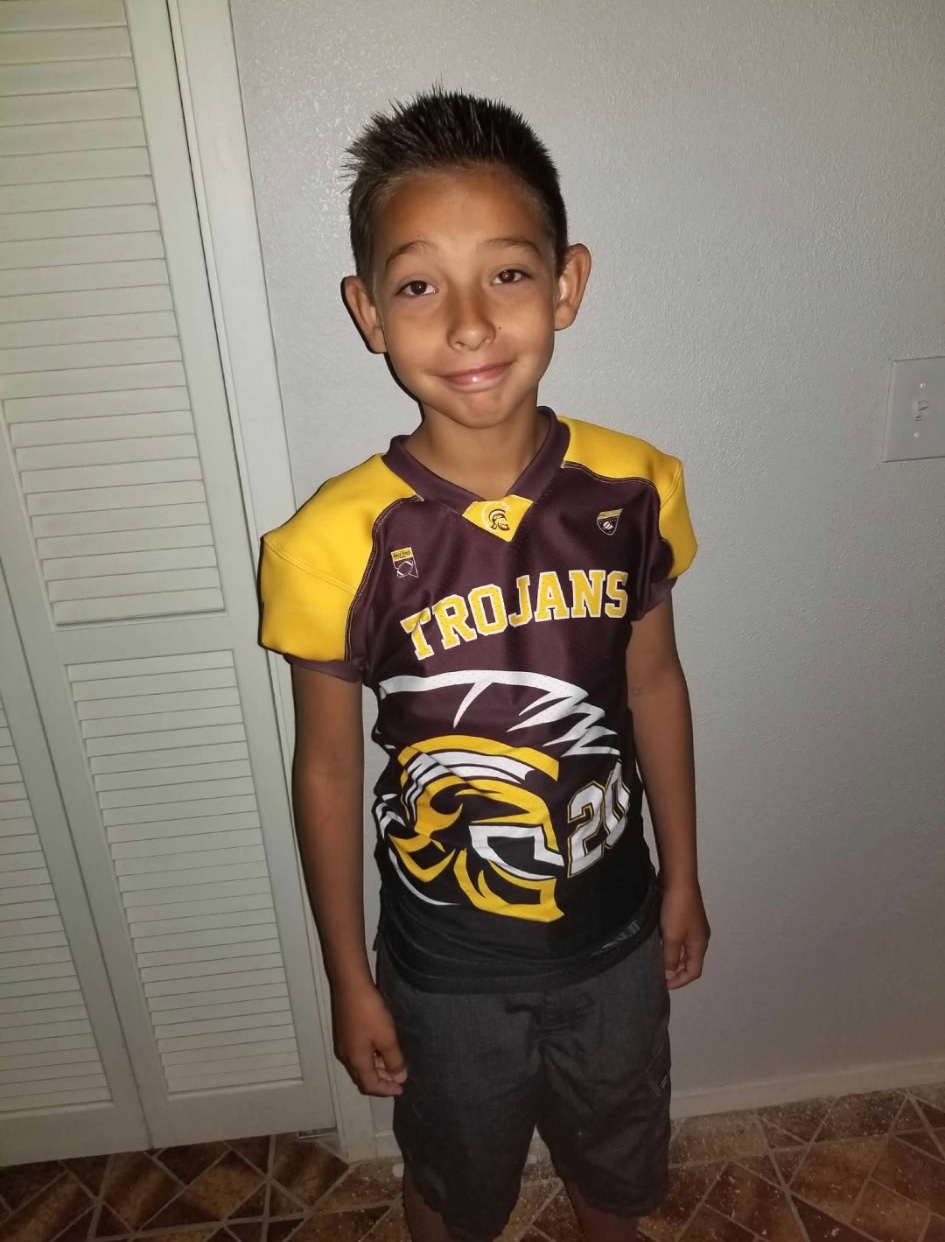
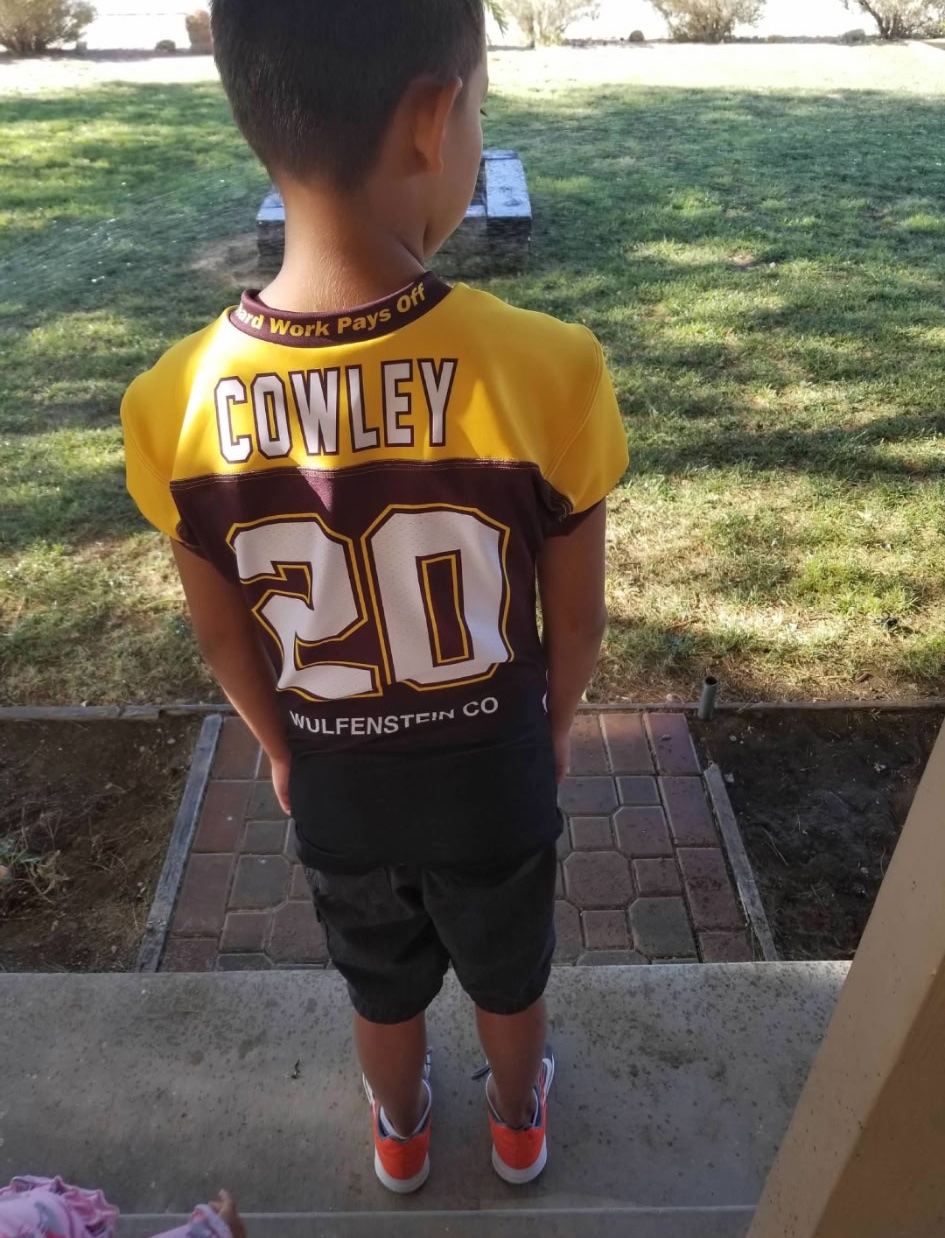
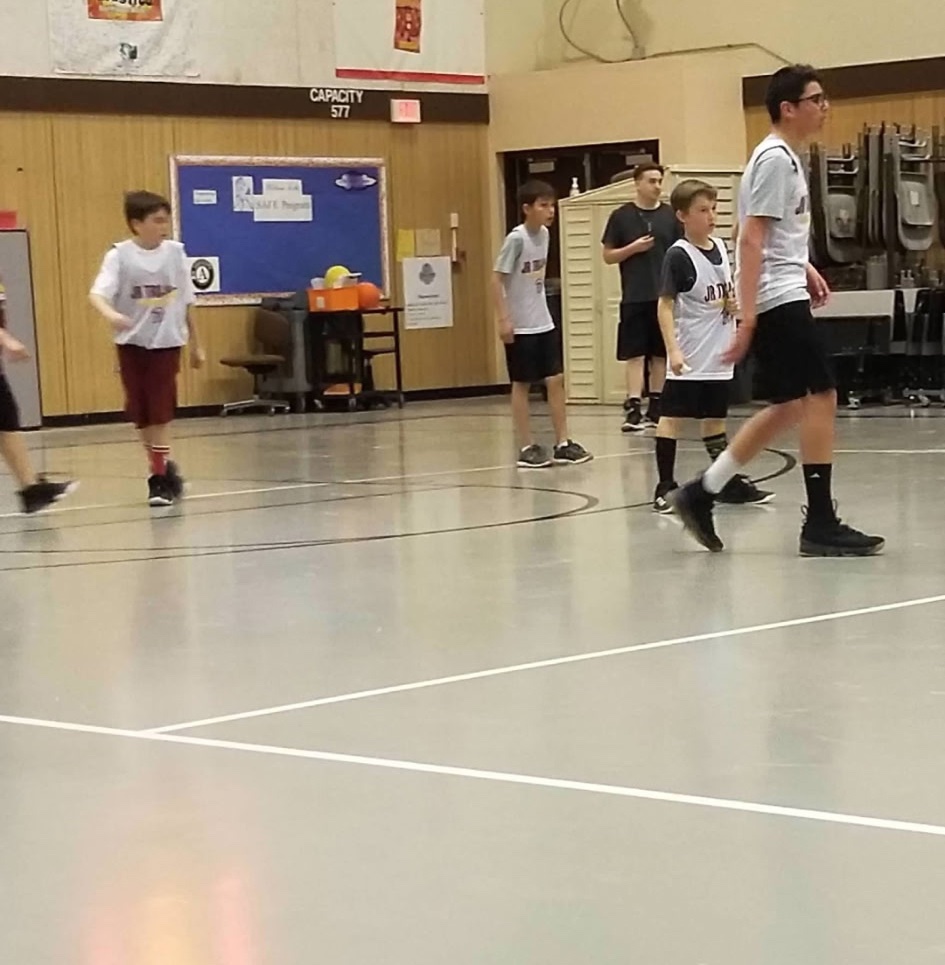
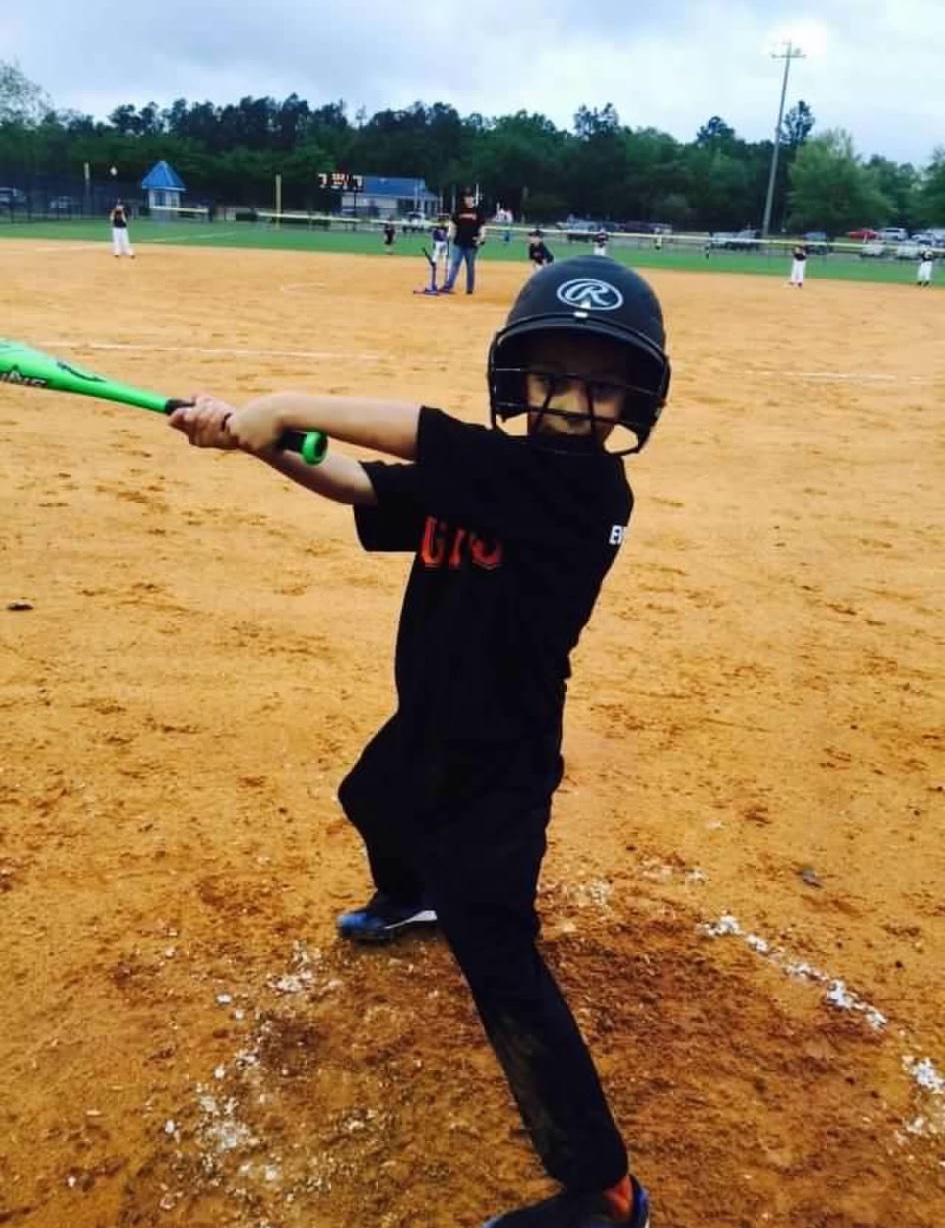
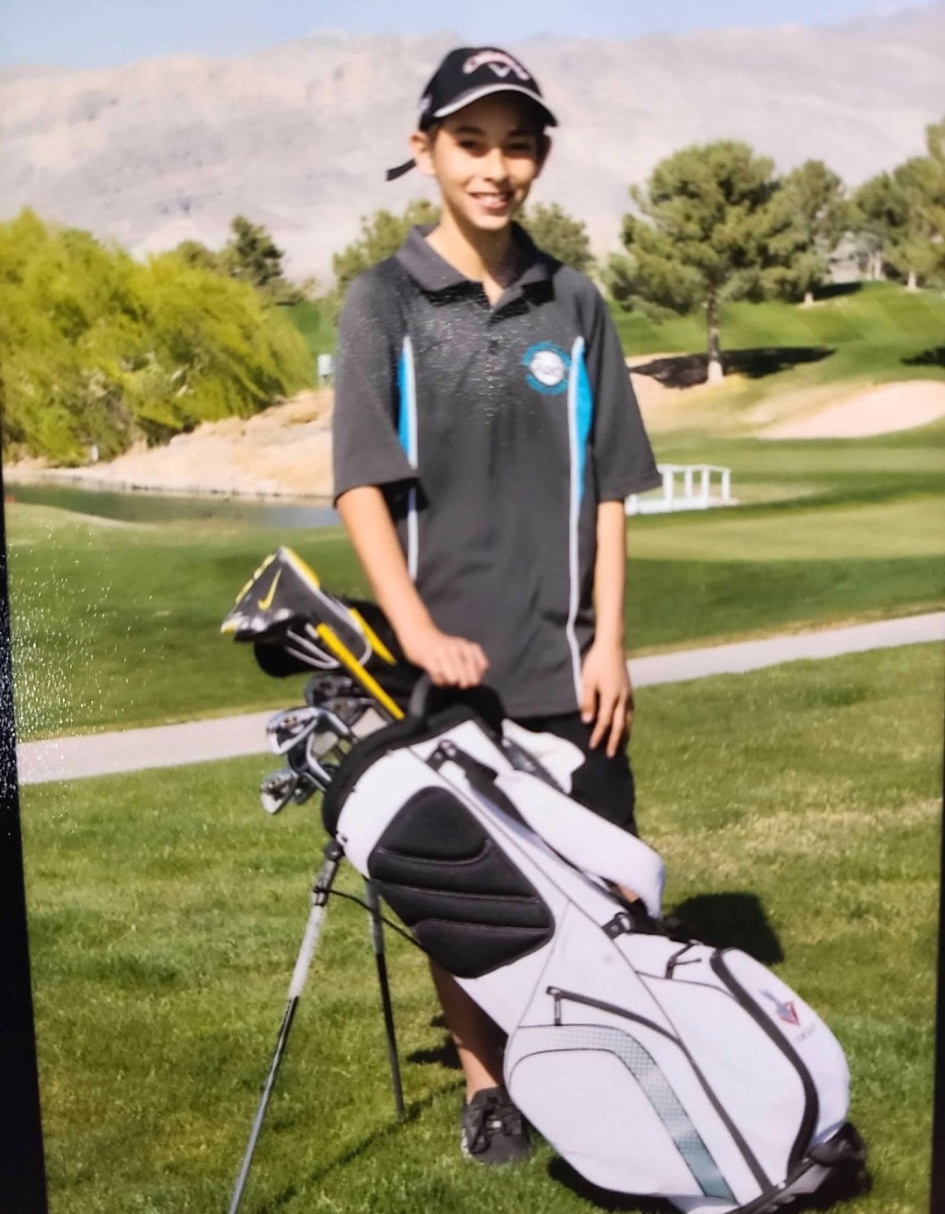
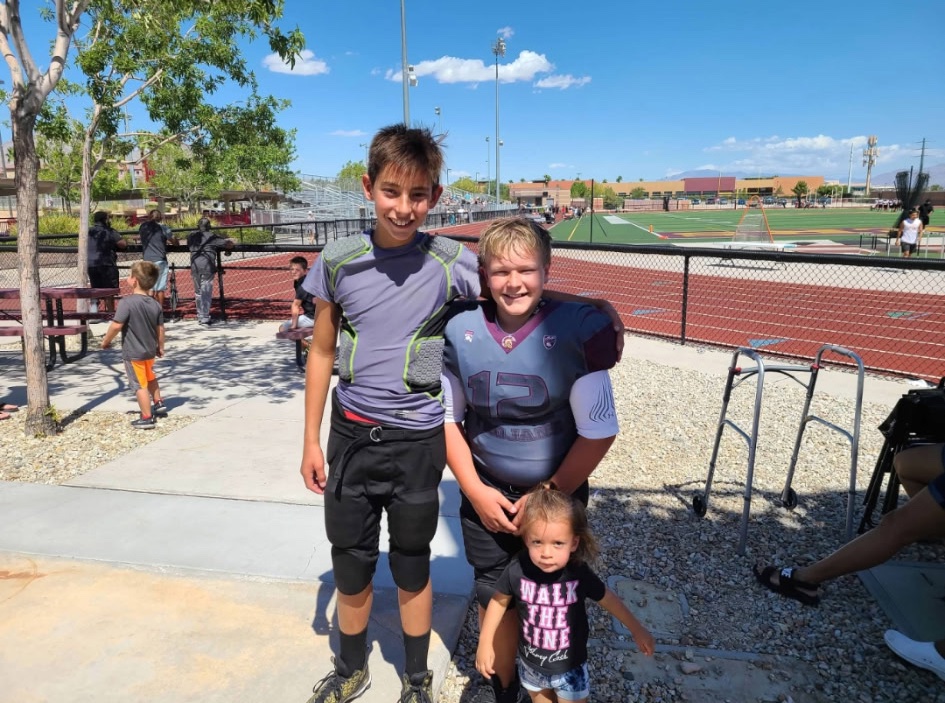
“I was a troublemaker when I was a kid, so they put me in sports,” he said. “The more I was in sports, the less time I had to get in trouble.”
Balancing multiple sports wasn’t always easy, but it shaped him into the athlete he is today. Soccer, however, wasn’t always his first love.
“I thought football was going to be my main sport,” Cowley said.
Coming out of middle school, everything was trending in that direction. Cowley had been part of a tight-knit group of teammates—Kayne, Jace, Booey and others—who found success together in NYS football, winning a championship and building a strong bond that carried into high school. Heading into his freshman year, he was building momentum during summer practices, performing well and earning attention, and was even on track to see time at the varsity level as a safety.
But just before the season began, everything changed in an instant.
At a small get-together with friends, Cowley jumped into a pool and landed awkwardly on another teammate, breaking his foot. The injury sidelined him at the worst possible time, taking away the season he had worked toward and forcing him to rethink his path.
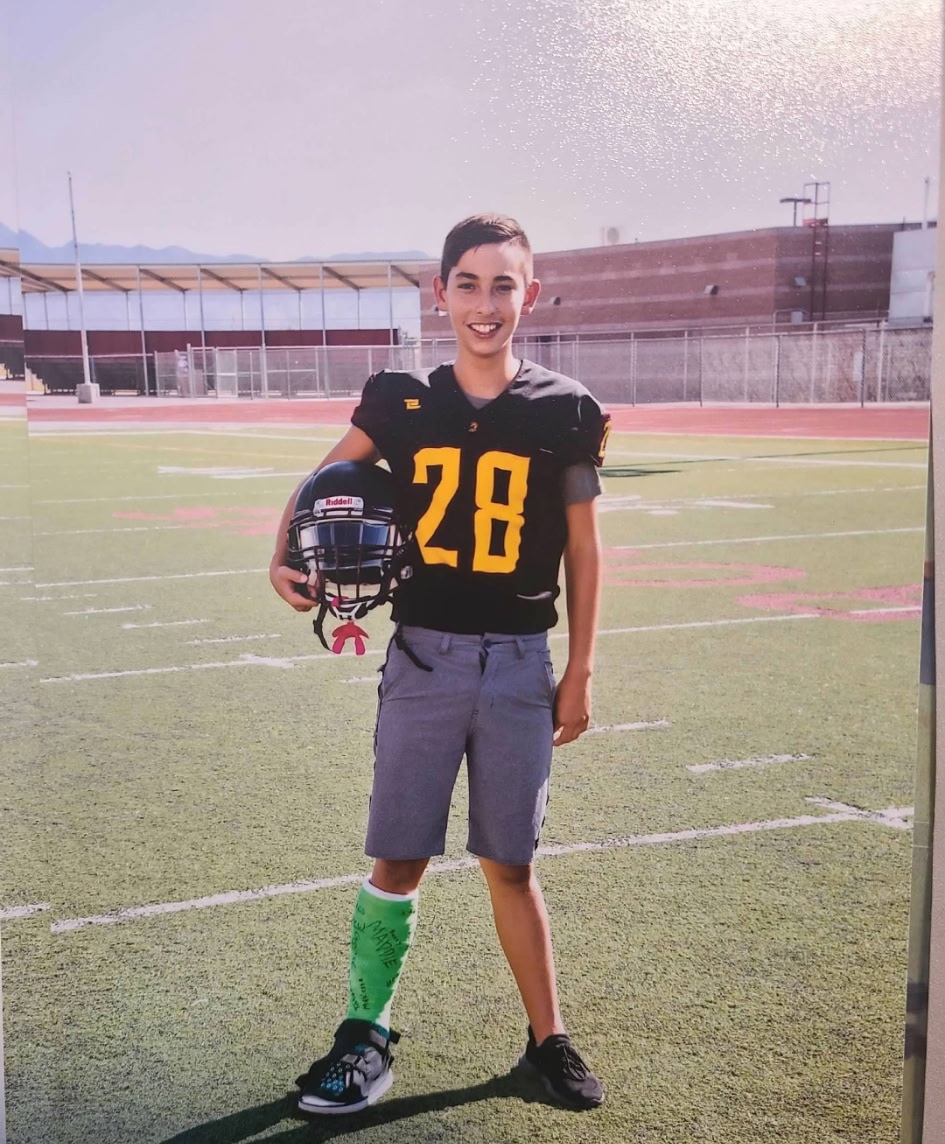
He still managed to return late in the year and made the most of his opportunity, recording an interception in his lone varsity appearance and earning his letter. But the setback lingered, and as he moved into the following year, a new door opened—one that would ultimately shape his future.
Before his sophomore season, friend Kohlzin Park encouraged him to give soccer another shot.
“He kept telling me, ‘Just come out and play,’” Cowley said. “So I did.”
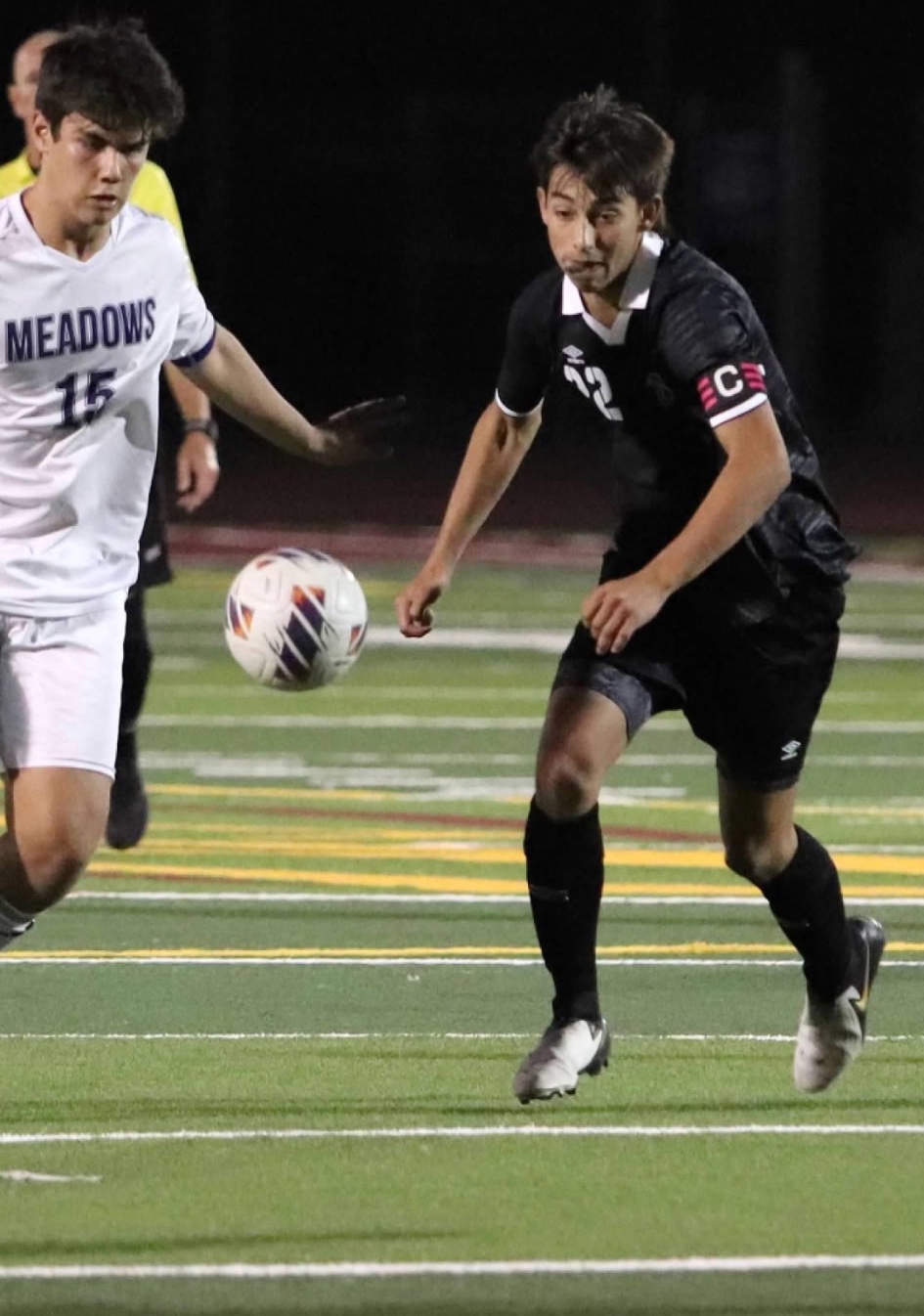
That decision proved to be pivotal. What started as simply trying something different quickly turned into a new passion—and eventually, the sport that would carry him to the collegiate level.
Even then, his journey within soccer wasn’t straightforward.
“I hated it when I was younger,” he said. “It was boring. You just stand there.”
But as the game became more competitive, something clicked.
“The adrenaline, the leadership, the pressure—you either win the game or you lose it,” Cowley said. “That’s what made me love being a keeper.”
That mindset—embracing pressure rather than avoiding it—became a defining part of who he is on the field.
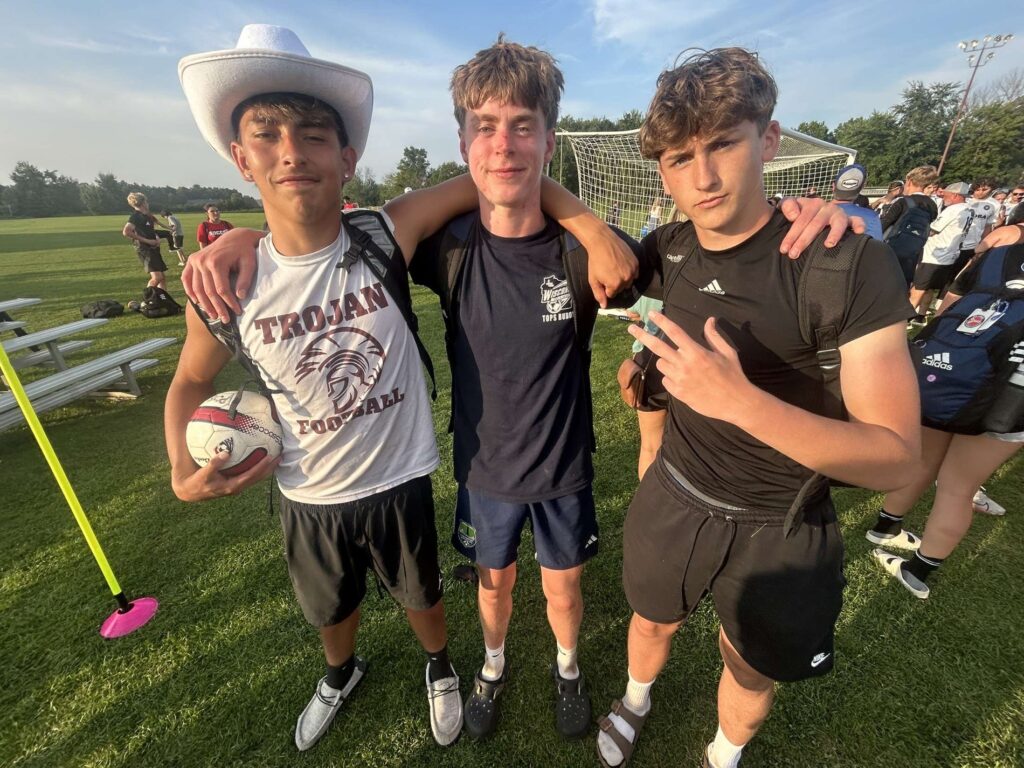
His growth accelerated during his junior year, when he began taking the sport more seriously. A key moment came during the offseason when he traveled alone to Wisconsin for an elite goalkeeper training camp.
“About 80% of the kids there go on to play college soccer,” he said. “That experience changed everything.”
By the time his senior season arrived, the difference was undeniable.
Cowley’s leadership style is as intense as his play.
“Love-hate relationship,” he said with a smile. “I’m joking and having fun, but when it’s time to get serious, it’s all business.”
That mentality helped define some of the most memorable moments of his high school career, where he delivered standout performances under pressure—rallying his team, making key saves and refusing to back down.
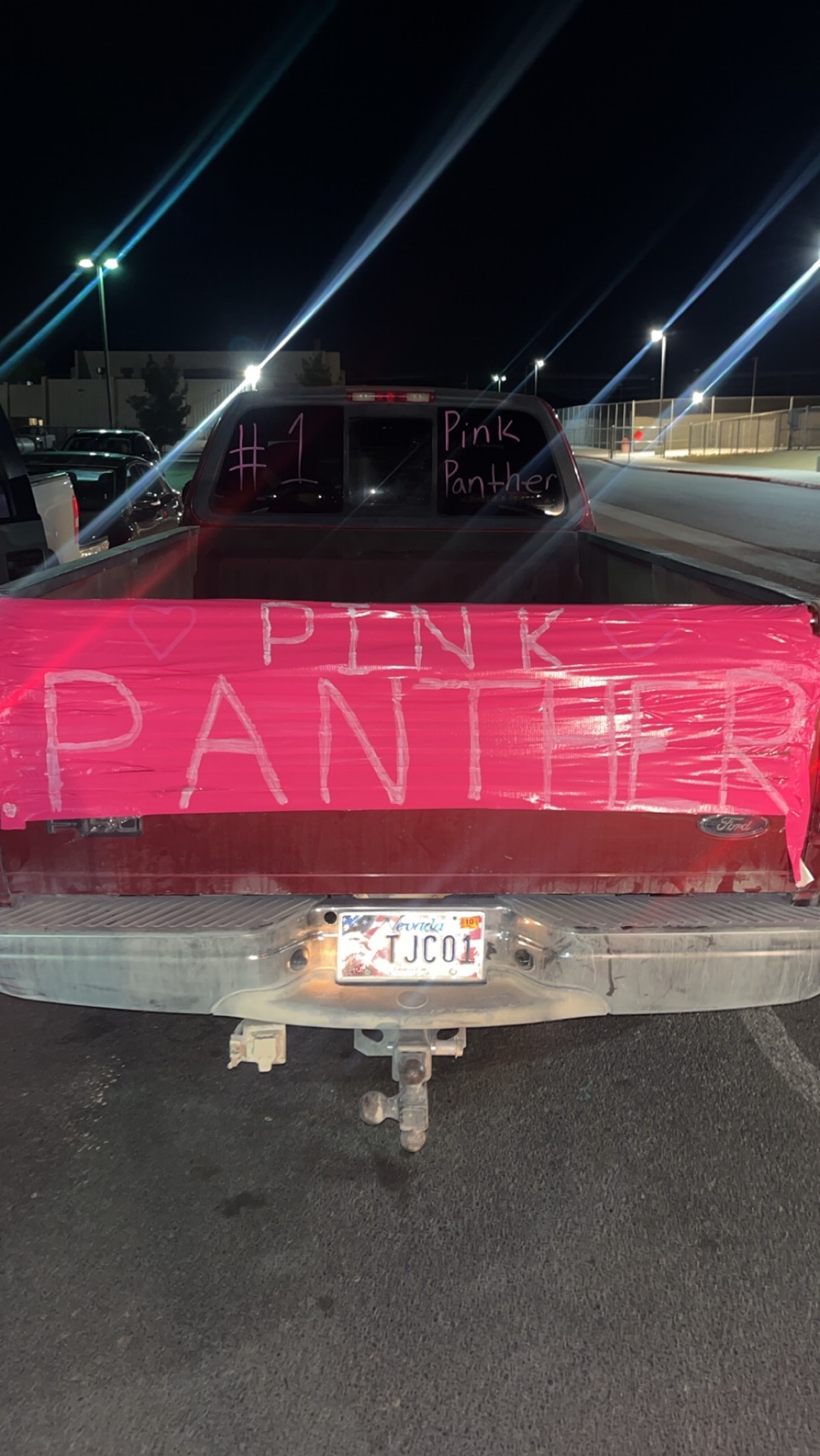
That personality has also shown up in some of the more unique traits that made Cowley a memorable presence on and off the field. Known to many as the “Pink Panther,” the nickname took shape during his junior season after he chose to wear a custom pink goalkeeper jersey in honor of his late brother, Tobee, whose favorite colors were pink and purple. The moment it truly stuck came early on, when Cowley came up with a big penalty kick save—sparking chants from teammates and fans that quickly turned the name into part of his identity.
Off the field, Cowley is just as recognizable for another habit—going barefoot whenever he can. While he’s always laced up in cleats during games, it’s not uncommon to see him without shoes before and after, or even out on the golf course.
That trait might come as no surprise to those who have watched Pahrump Valley soccer closely, as his dad, Neil, is often spotted pacing the sidelines barefoot during games. Within the program, it’s become something of an unspoken signal—when the shoes come off, the intensity has gone up.
For Cowley, it’s less about the signal and more about the feeling.
“I’ve always been that kid running around barefoot,” he said. “It just kind of grounds me.”
As he prepares for college, his focus is both physical and mental.
“I think it’s more mental than physical,” he said. “I know I’m in shape. It’s about being ready up here,” he noted with a tap to the temple.
He continues to train, run and stay active, while also giving back by coaching younger athletes in the community—something that has become especially meaningful to him as he prepares for the next level.
Cowley has spent time working with the Jr. Trojans soccer program, stepping into a leadership role with younger players who are just beginning their own journeys in the sport. And he doesn’t just stand on the sidelines—he’s right there with them.
If the kids are running, he’s running. If they’re working, he’s working.
“I want to give back to the community that helped me become the athlete I am,” he said.
That commitment reflects the same mindset instilled in him by the coaches who shaped his journey.
He credits his father, Neil, as the most influential coach he’s had—from youth soccer through high school—for both his knowledge of the game and his ability to demand accountability while still being a father.
He also points to Thomas Walker as a coach who helped develop his aggressive, fearless edge as an athlete, pushing him to compete with intensity and confidence.
That same sense of purpose has been shaped by the people closest to him—especially his family, who have each played a distinct and powerful role in his journey.
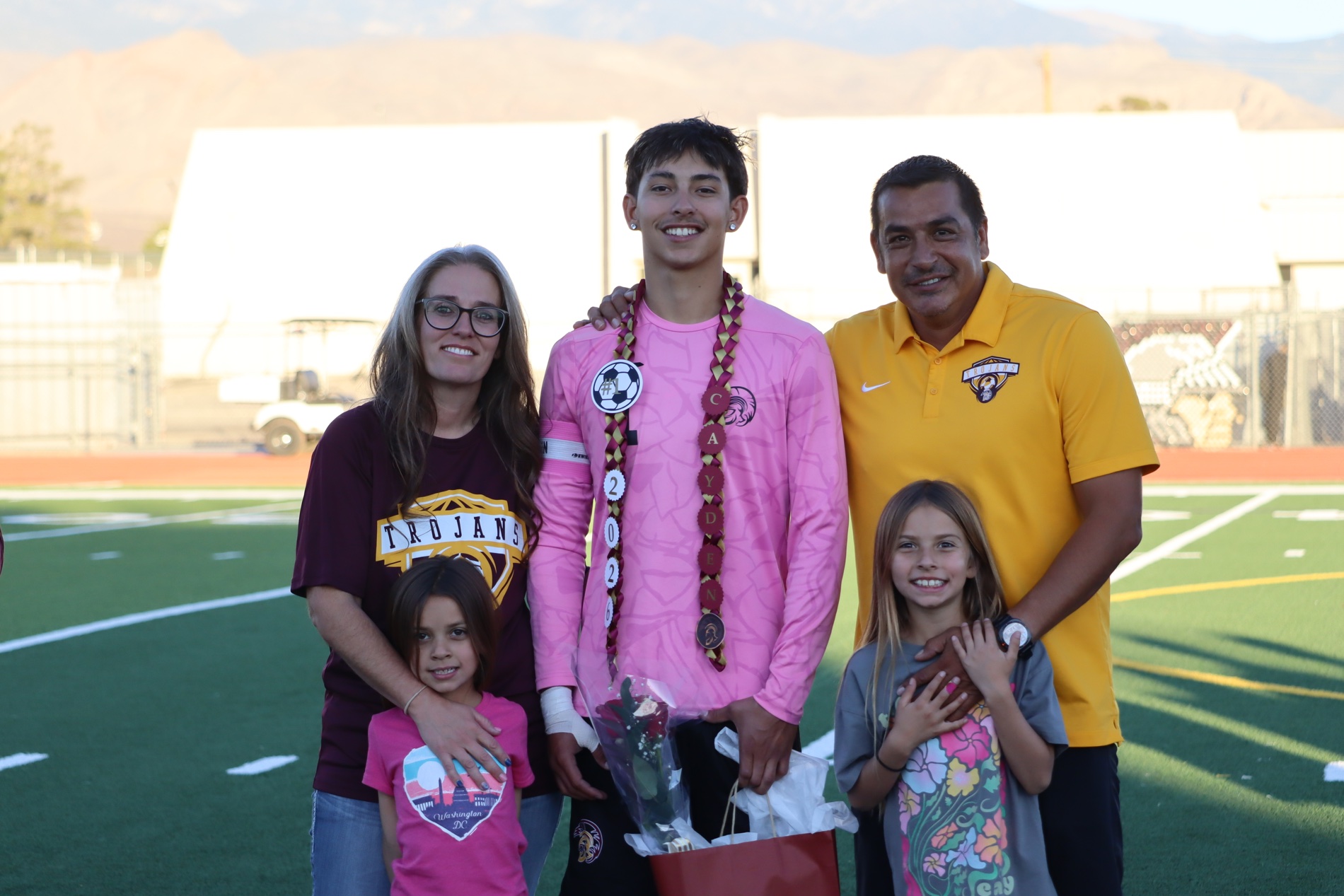
“My mom is the sweetest person you’ll ever meet, but also the one who will put you in your place when you need it,” Cowley said.
His mom, Lacie, has been his constant—someone he can turn to in any moment.
“She’s the one I can go to for everything,” he said. “I can vent, cry, laugh—anything—and she just takes it all.”
His father, Neil, has been equally influential, not just as a parent but as a coach, mentor and competitor.
“My dad is my best friend,” Cowley said. “We’re the same person, just 30 years apart.”
That bond has been built through years on and off the field, where his dad pushed him to be better and never allowed him to settle.
“He wasn’t the type to go easy on me,” Cowley said. “If I didn’t do well, he told me.”
Cowley also carries the memory of his older brother, Tobee, with him in everything he does.
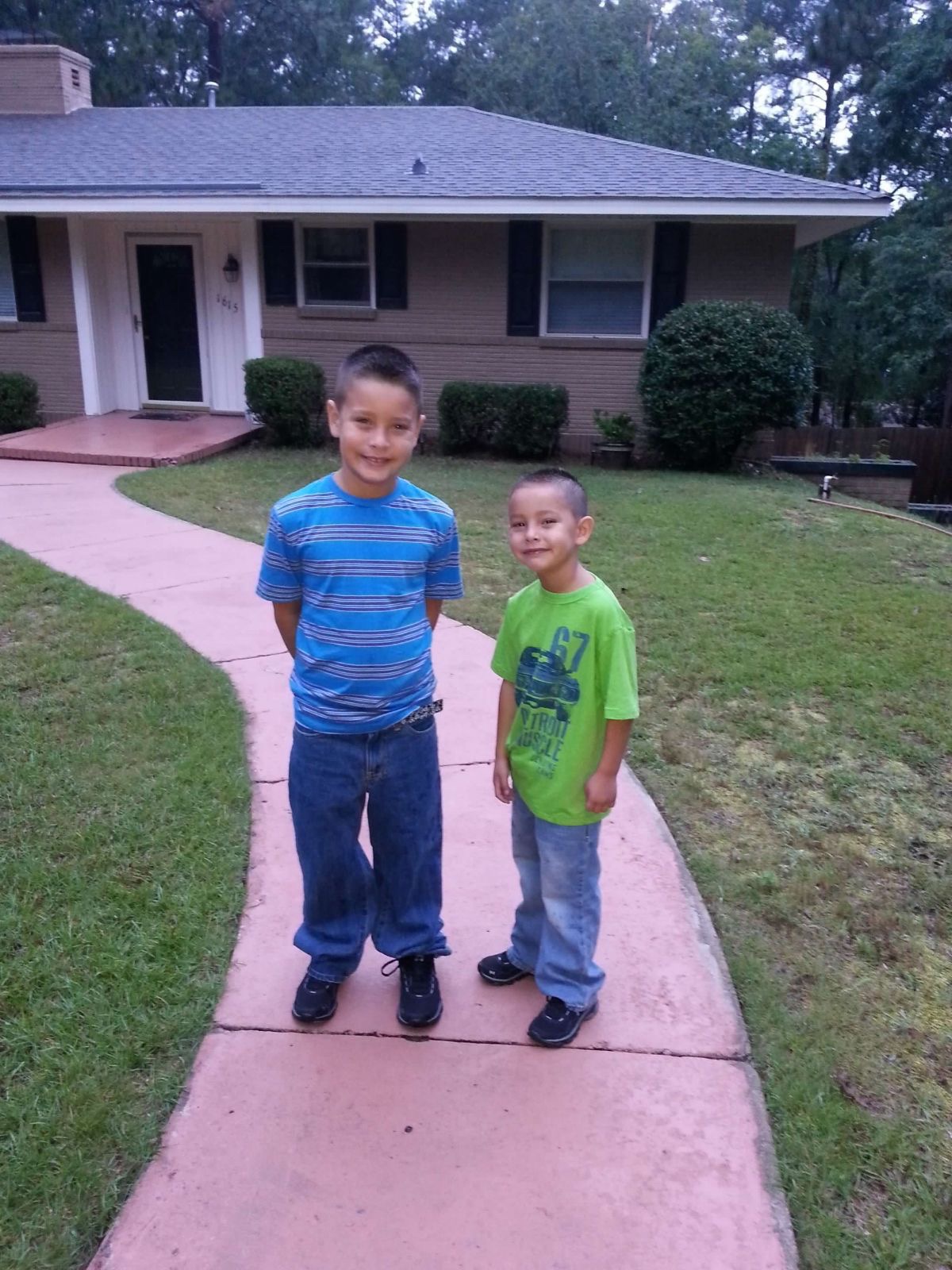
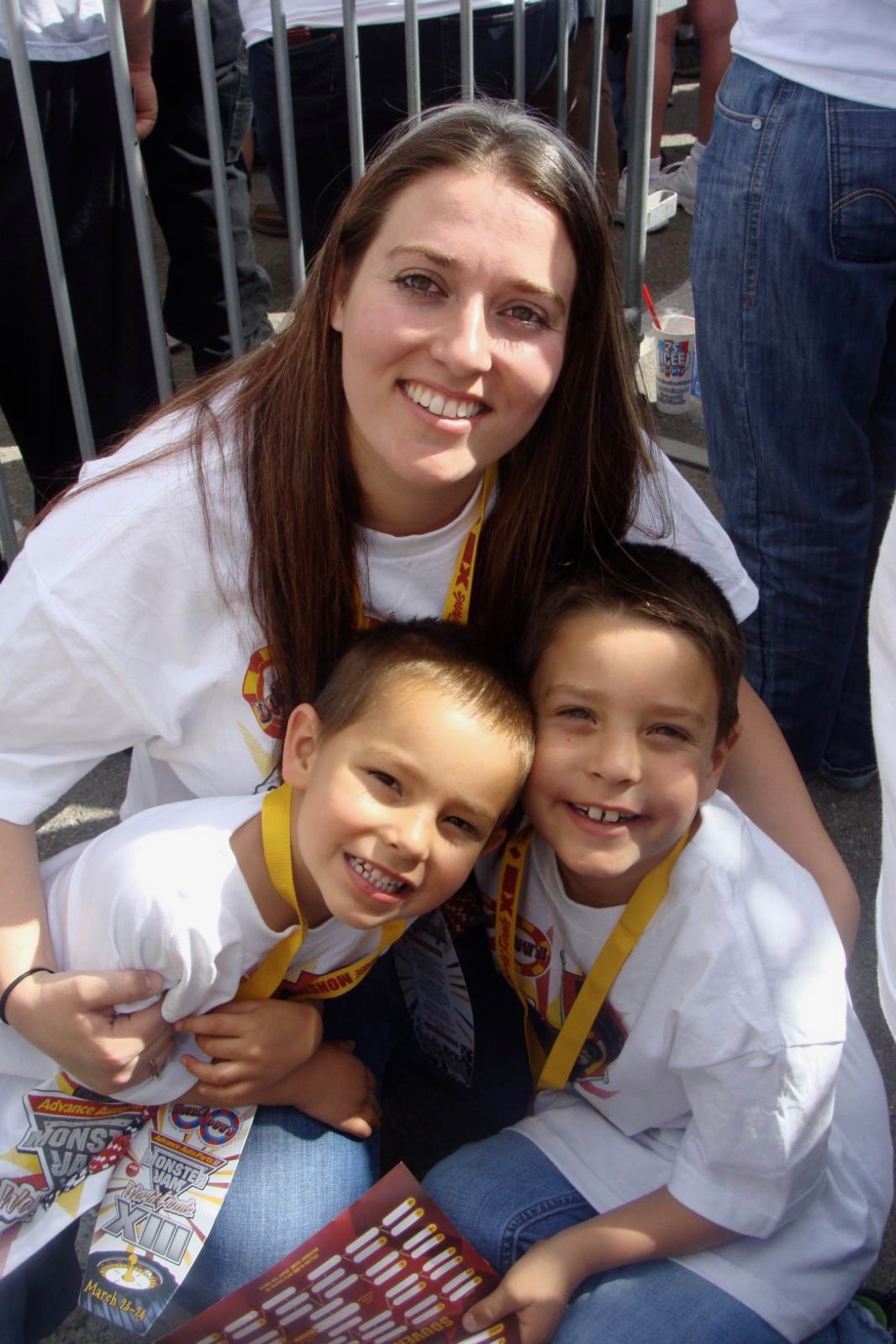
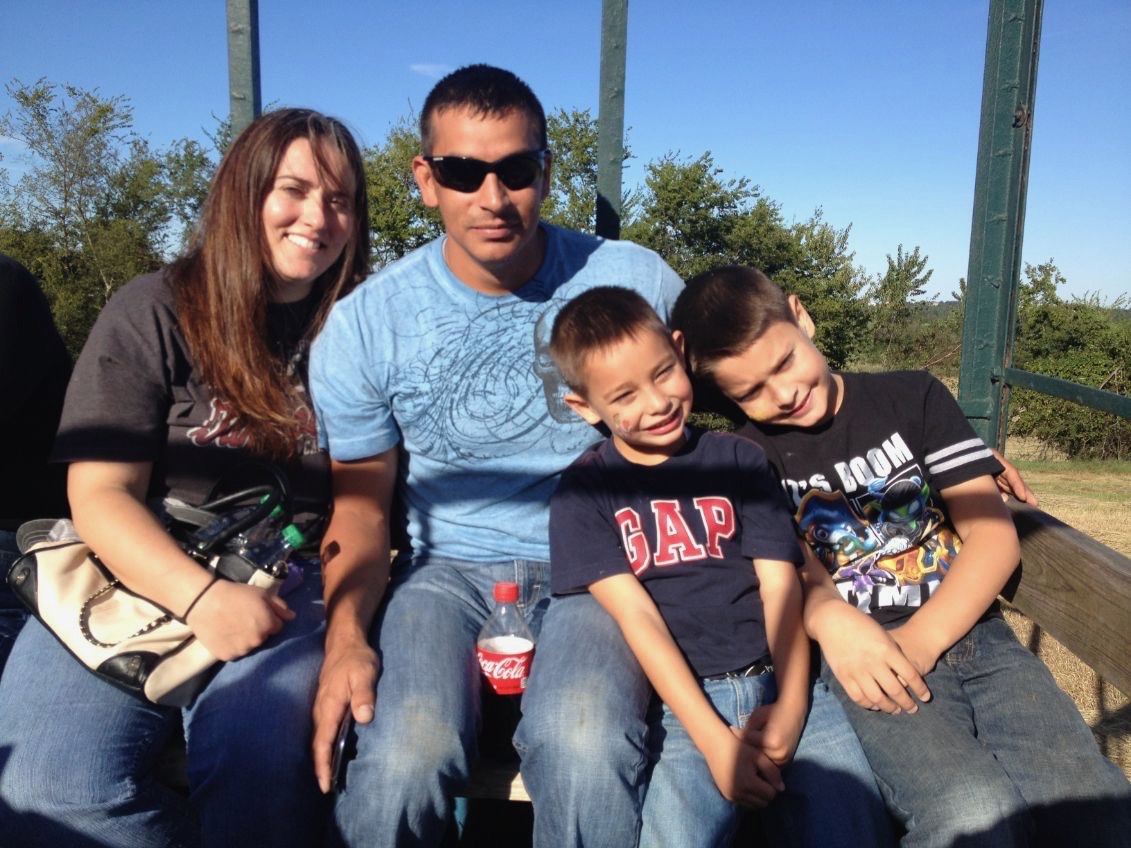
“Every time I step on a field, I’m doing it for him,” he said. “I want to make him proud.”
That motivation comes from within, something Cowley placed on himself at a young age.
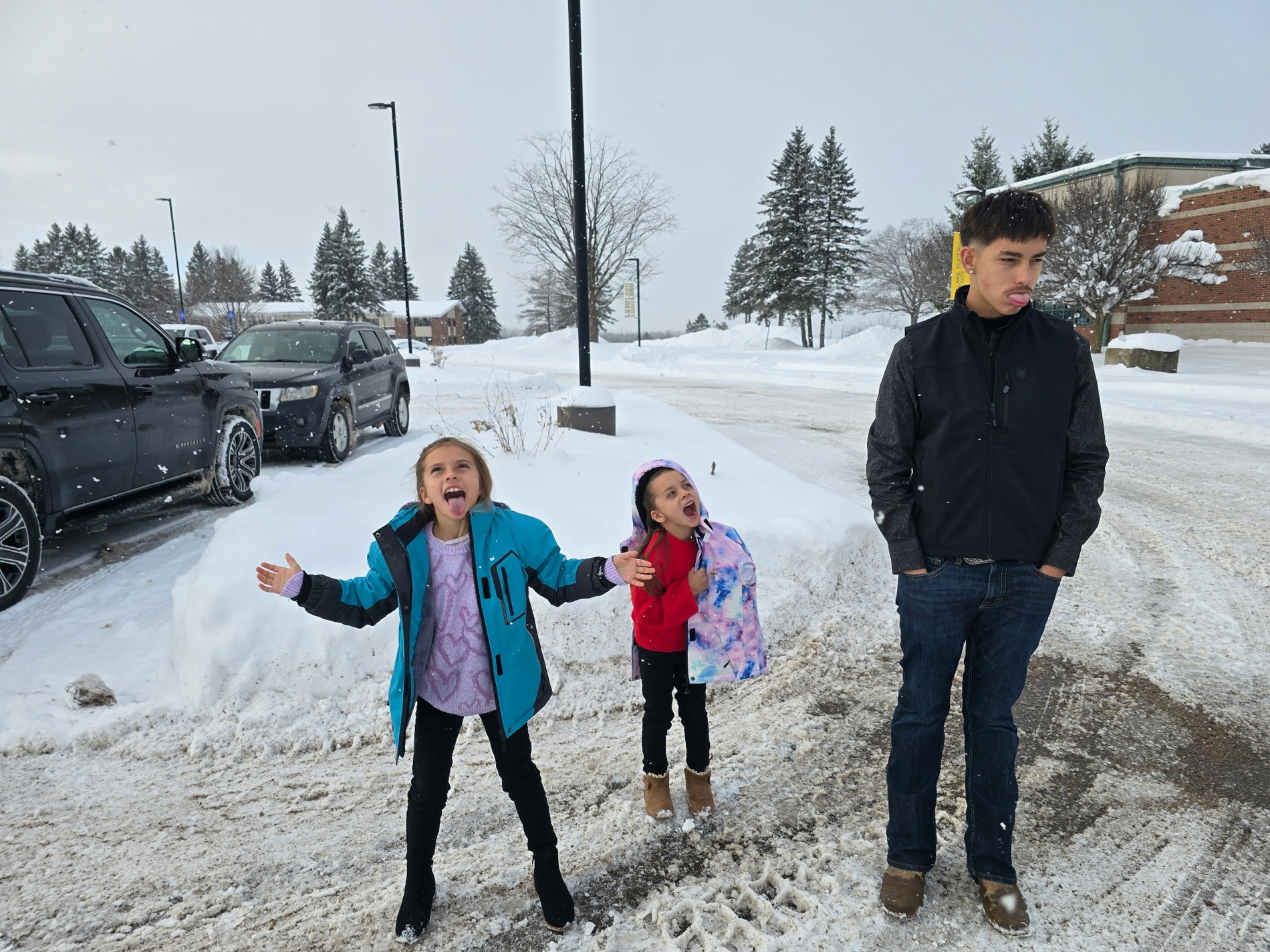
His younger sisters, Emma and Adaline, remain his biggest supporters.
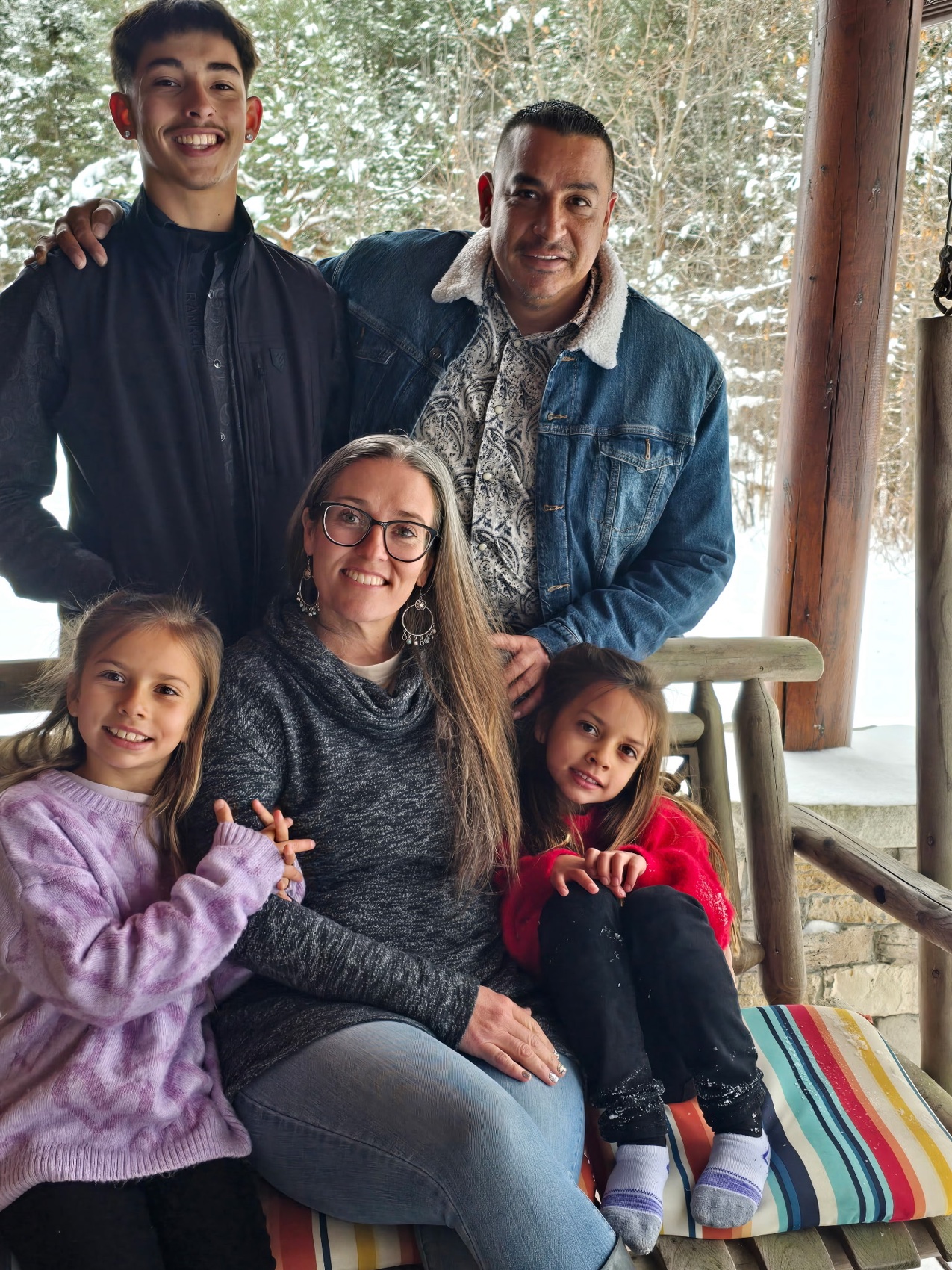
“They’re my biggest cheerleaders,” he said. “They’re the ones I hear in the stands.”
“I want them to see that you can do anything you set your mind to.”
As he looks ahead to college and the next stage of his life, Cowley knows the journey hasn’t always been easy—but it’s been worth it.
“I’m just a sign that hard work pays off,” he said.
And for the next generation of athletes dreaming of playing at the collegiate level, his message is simple and direct:
“Don’t ever doubt yourself,” Cowley said. “Hesitation will kill you. Trust your gut, work hard, and don’t sell yourself short.”

