

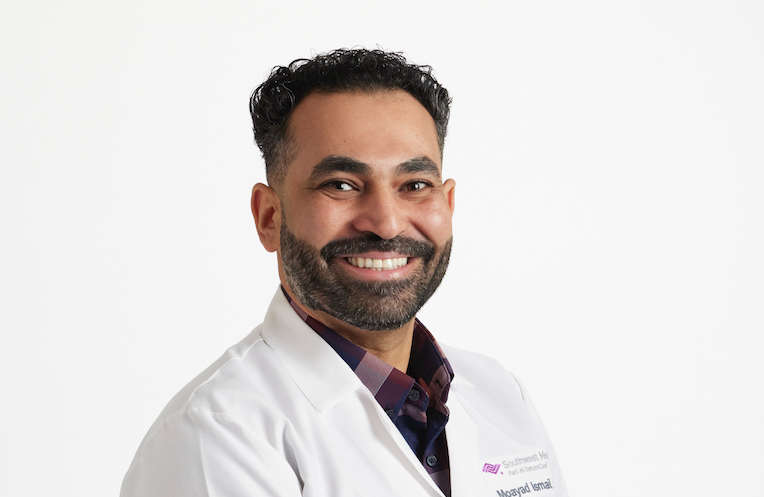

By Moayad Ismail, MD FACP
Medical Director
Southwest Medical, part of Optum
Maintaining your health is a lifelong commitment. It’s always crucial, but becomes increasingly important as we age, and our health needs naturally evolve. And a big part of keeping up with these evolving needs can be more frequent visits with your doctor.
But appointments with your doctor, particularly those addressing specific health concerns, can be overwhelming. The influx of complex information, combined with the stress of managing health issues or a new diagnosis, can be daunting. In such situations, you may be more likely to leave your appointment having missed some important information.
Thankfully, there are strategies you can use to manage these challenges effectively, putting you in a position to be your own advocate.
Before your visit:
- Acknowledge and understand that your doctor may not have instant answers to all your questions. What they do have is the expertise to find the information you need. This mindset can reduce anxiety before your appointment.
- Ahead of your visit, list specific questions and concerns you wish to discuss. This ensures you cover all necessary topics and don’t forget any critical issues.[1]
- If your doctor doesn’t have your complete medical records, medication list, or the contact details of other specialists you consult, bring these documents to your appointment.[2]
As important as preparation is – for doctor visits and most things in life – the most important part of your appointment is… the appointment itself. Here are some things you can do to make sure your visit with your provider is as productive as possible:
- Stay focused on your pre-planned priorities. Keeping the conversation on track ensures a productive session.
- Don’t hesitate to take notes during your appointment. This may help you retain important information, and it can be useful to refer to your notes later.
- Follow up after your appointment. Review your notes and contact your doctor if you have any further questions.
- Consider bringing a friend or family member if an appointment is likely to involve learning new information. Maybe you’re discussing management of a newly diagnosed condition, learning the results from a recent test or screening, or even building a new nutrition or physical fitness routine. Having someone with you, who you trust, can help you remember details and decisions made during the visit.[3]
Facing new diagnoses or tests:
Some of the most stressful appointments can be those where you’re learning about a new health condition, or when your doctor is recommending a specific test or screening.
If your doctor recommends you consider a particular medical test – maybe based on your age, underlying health conditions, family history, or other factors – there are questions you should ask to give you a more full understanding of your health, and to make you feel more confident in taking an active rolein your health.
Those questions may include:
- Why do you recommend this test?
- What does the test itself actually entail?
- Are there steps I should take ahead of time to prepare? For example, some medical tests require you to fast ahead of time, while others have no dietary restrictions.
- Does this test itself carry any potential side effects? And, if so, how should I manage them?
- How long will it take to get the results? And whatever the results may show, what are our next steps after receiving them?[4]
If you’re diagnosed with a new condition – either as a result of a screening, or just through the normal course of care – there are similar questions you can ask, to both help ensure you get the information you need, and to hopefully put your mind more at ease. Questions may include: What may have caused or contributed to this new condition? Is it permanent? How is it treated, and does the treatment itself carry the potential of side effects?[5]
Remember, your doctor is your ally, and you should turn to them for help with even most sensitive issues – from things like social isolation and the fear of falling, both of which can become more prominent as we age, to preventing, or managing, the development of unhealthy habits. It may seem uncomfortable or even embarrassing but remember that doctors are used to talking about these issues, and they can guide you toward positive, healthy outcomes.[6]
While it’s of course not possible to make a trip to the doctor a completely stress-free experience, taking an active role in your own care and being your own advocate may make for a significantly easier, more productive process.
###
[1]Five ways to get the most out of your doctor’s visit | National Institute on Aging
[2]How to prepare for a doctor’s appointment | National Institute on Aging
[3]How to prepare for a doctor’s appointment | National Institute on Aging
[4]What should I ask my doctor during a checkup? | National Institute on Aging
[5]What should I ask my doctor during a checkup? | National Institute on Aging
[6]How to talk to your doctor about sensitive issues | National Institute on Aging

