

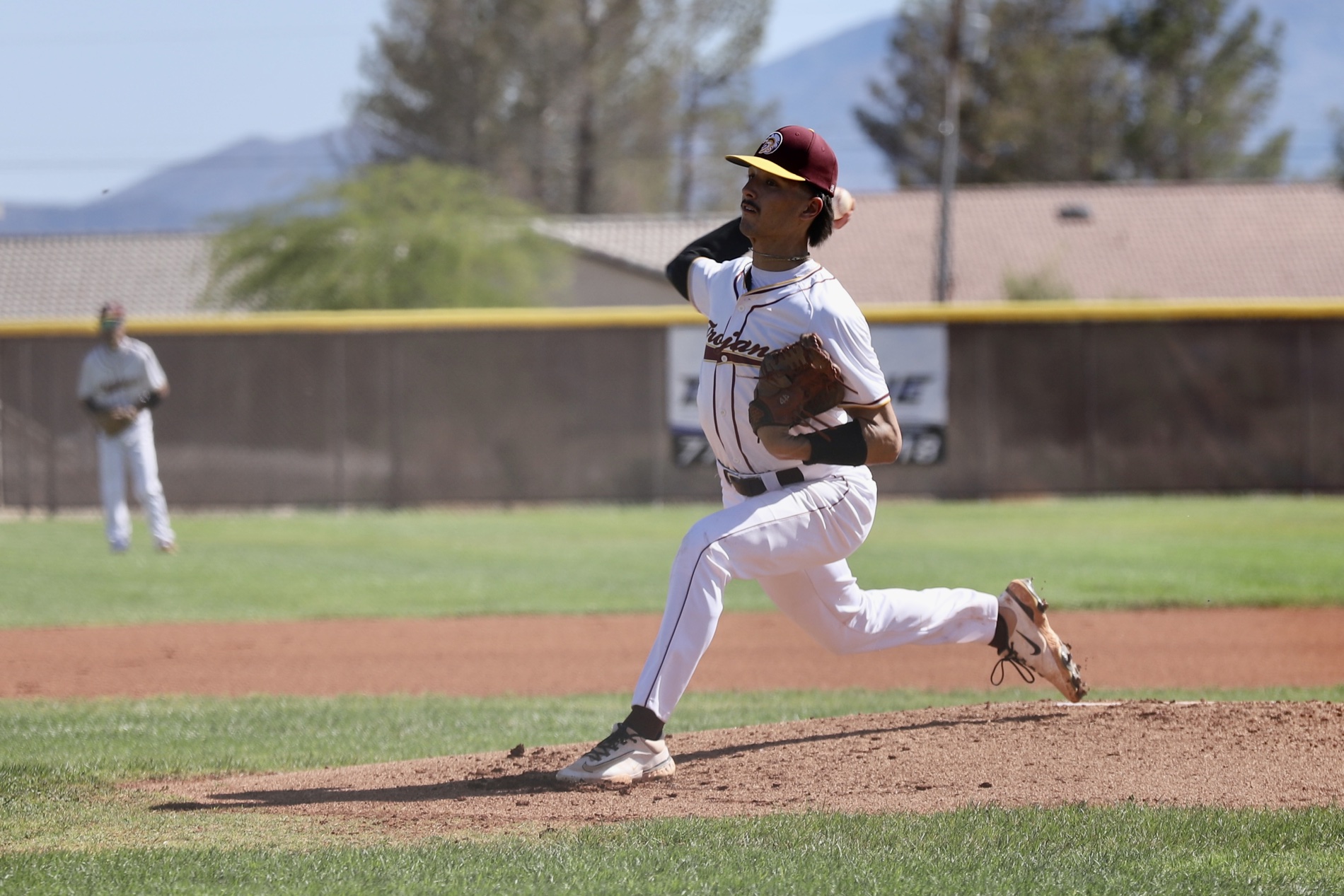

For most high school athletes, earning the opportunity to compete at the collegiate level is the realization of years of hard work. For Pahrump Valley High School senior Kayne Horibe, that opportunity also represented a choice between two sports that had shaped much of his life.
After spending years excelling in both football and baseball, Horibe recently committed to continue his athletic career at Mesa Community College in Mesa, Arizona, where he will play baseball and pursue a degree in exercise science with plans to become a physical therapist.
The commitment marks the next chapter in a journey that has included youth sports championships, state titles, injuries, record-setting performances, and a life-changing Type 1 diabetes diagnosis. Through each challenge and accomplishment, Horibe continued working toward the goal of competing at the next level.
When it came time to decide which sport to pursue in college, the answer was not as simple as choosing the game he loved most.
Instead, Horibe evaluated what would give him the greatest opportunity for long-term success both on the field and in life.
“Realistically, I went off my health factor,” Horibe said. “Football is a lot harder on my body than baseball, and with diabetes I can manage my glucose levels a lot better with baseball.”
Mesa Community College recruited Horibe specifically as a baseball player. While the school once sponsored football, the program no longer exists, making the opportunity a baseball-only commitment.
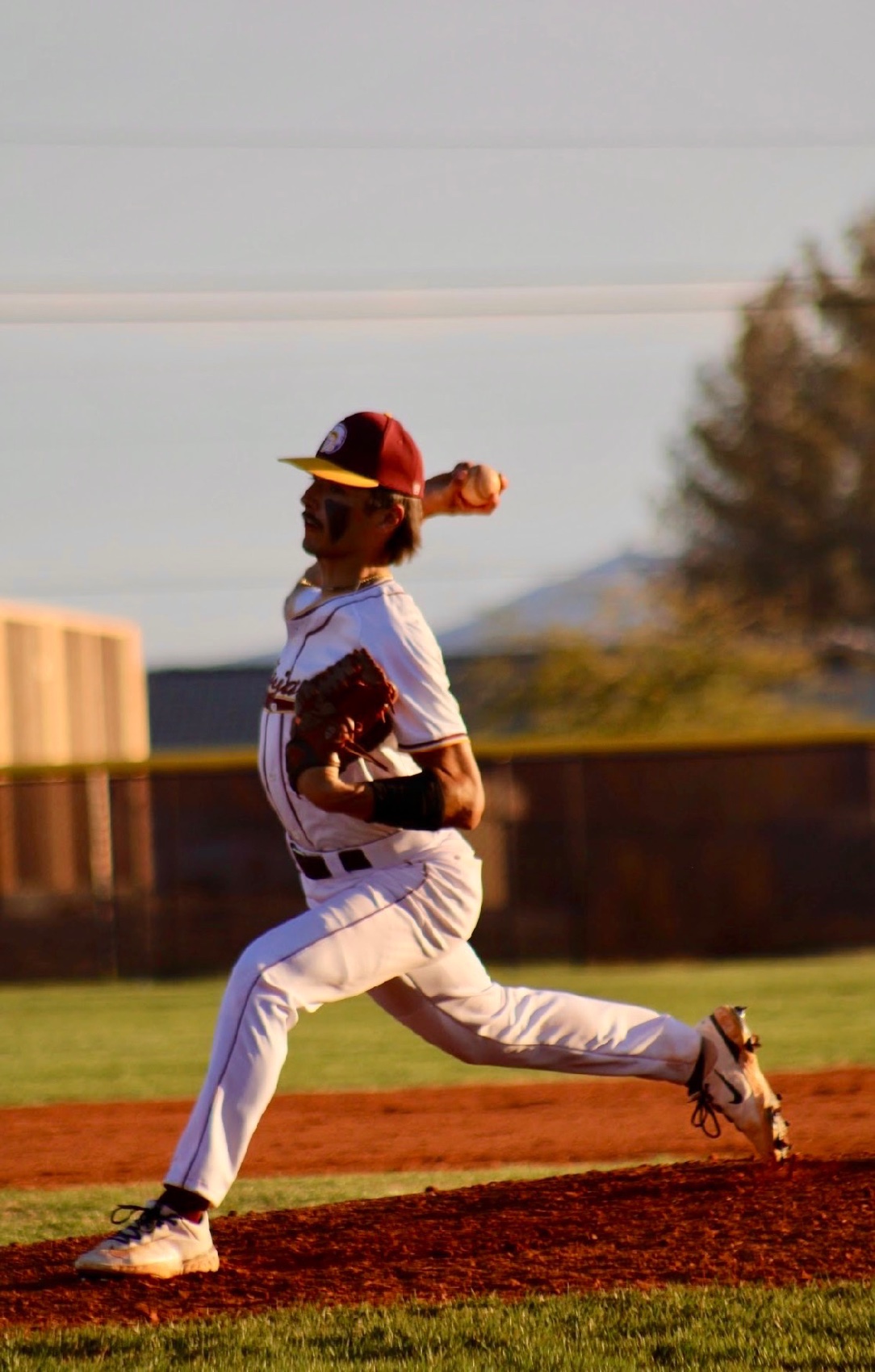
For Horibe, baseball offered the chance to continue developing as a pitcher while also providing a competitive environment that would be easier to manage physically.
The decision was the culmination of a recruiting process that stretched across multiple sports and involved conversations with numerous coaches and programs.
For baseball, Horibe utilized FieldLevel, a recruiting platform that allows athletes to upload film and connect with college coaches. Similar to how football recruiting often operates through NCSA, the platform helped place his skills in front of programs looking for talent.
The connection with Mesa Community College ultimately came through relationships developed over years of playing baseball.
“Coach Drew (Middleton) had the connection with them,” Horibe explained. “They got my number, called me, and we talked about the school and everything they had to offer.”
After the initial conversations, Horibe took time to evaluate his options before deciding Mesa was the right fit.
The opportunity was made possible through years of dedication to athletics, something that began almost as soon as he could walk.
Horibe started playing T-ball at four years old and began football shortly afterward under longtime youth coach Ray Cortez.
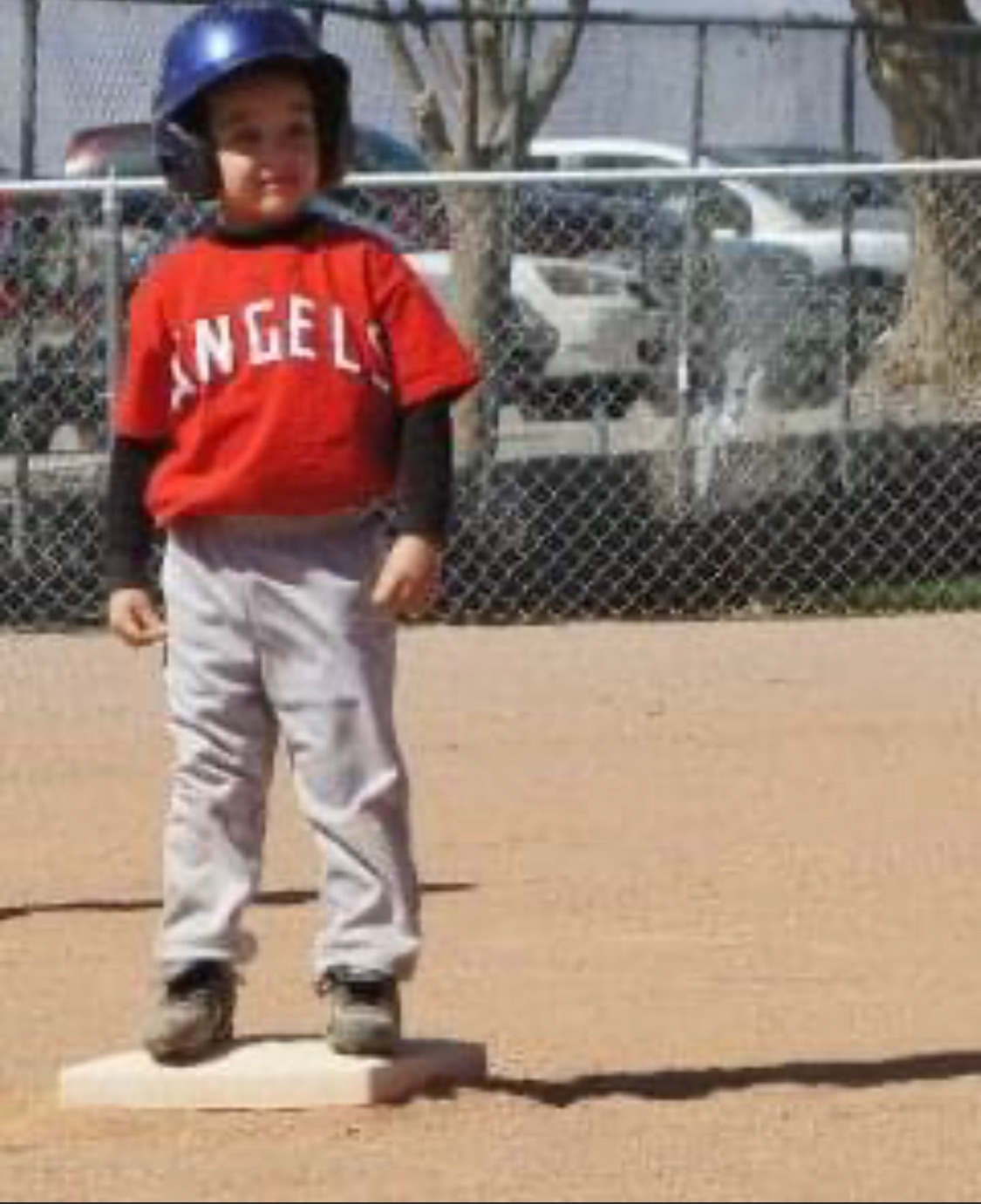
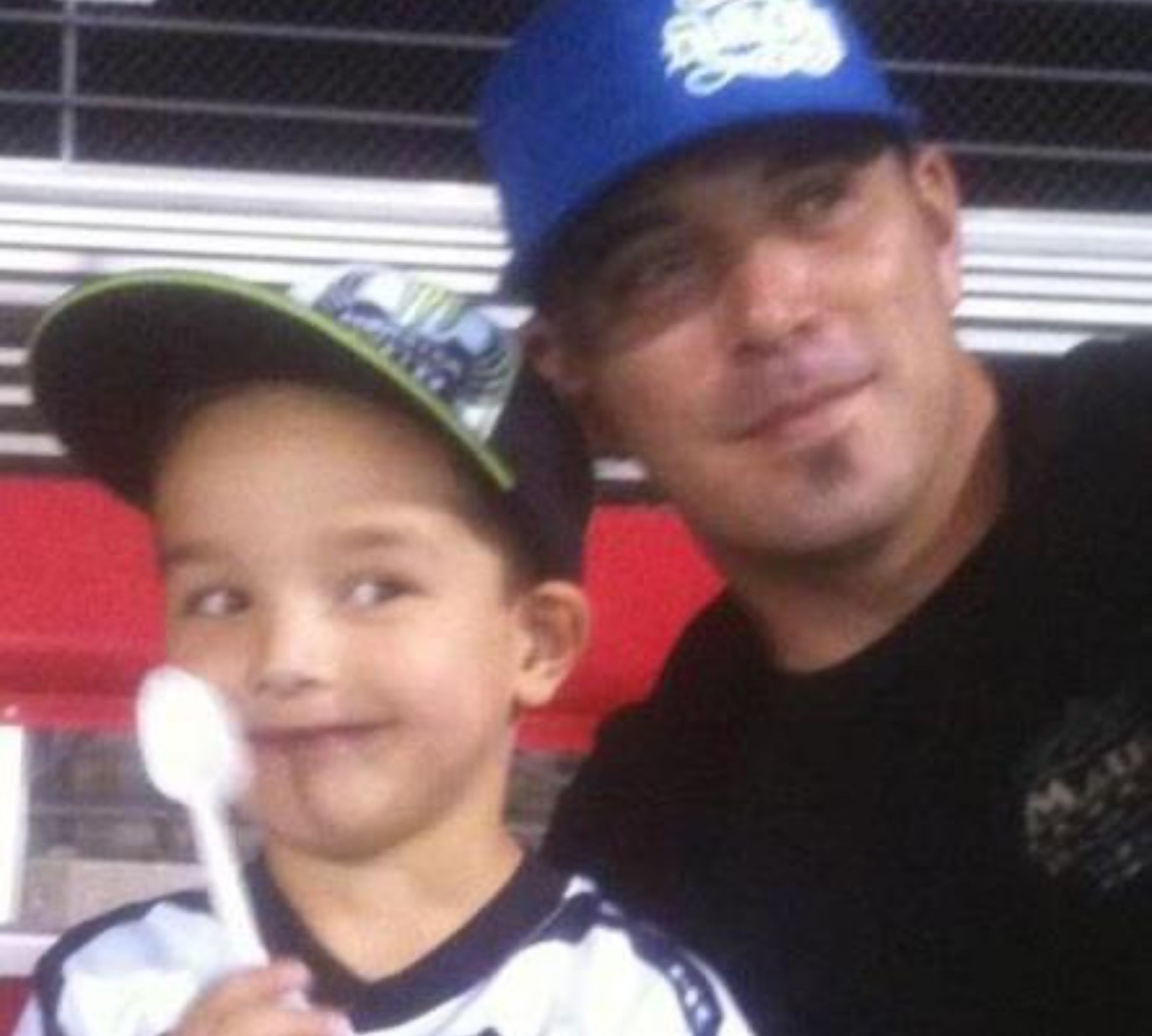
“I started football when I was probably five or six years old with Ray Cortez,” Horibe said. “He had a huge impact on me.”
Cortez not only introduced him to football but also encouraged him to try wrestling, helping build the athletic foundation that would serve him throughout his high school career.
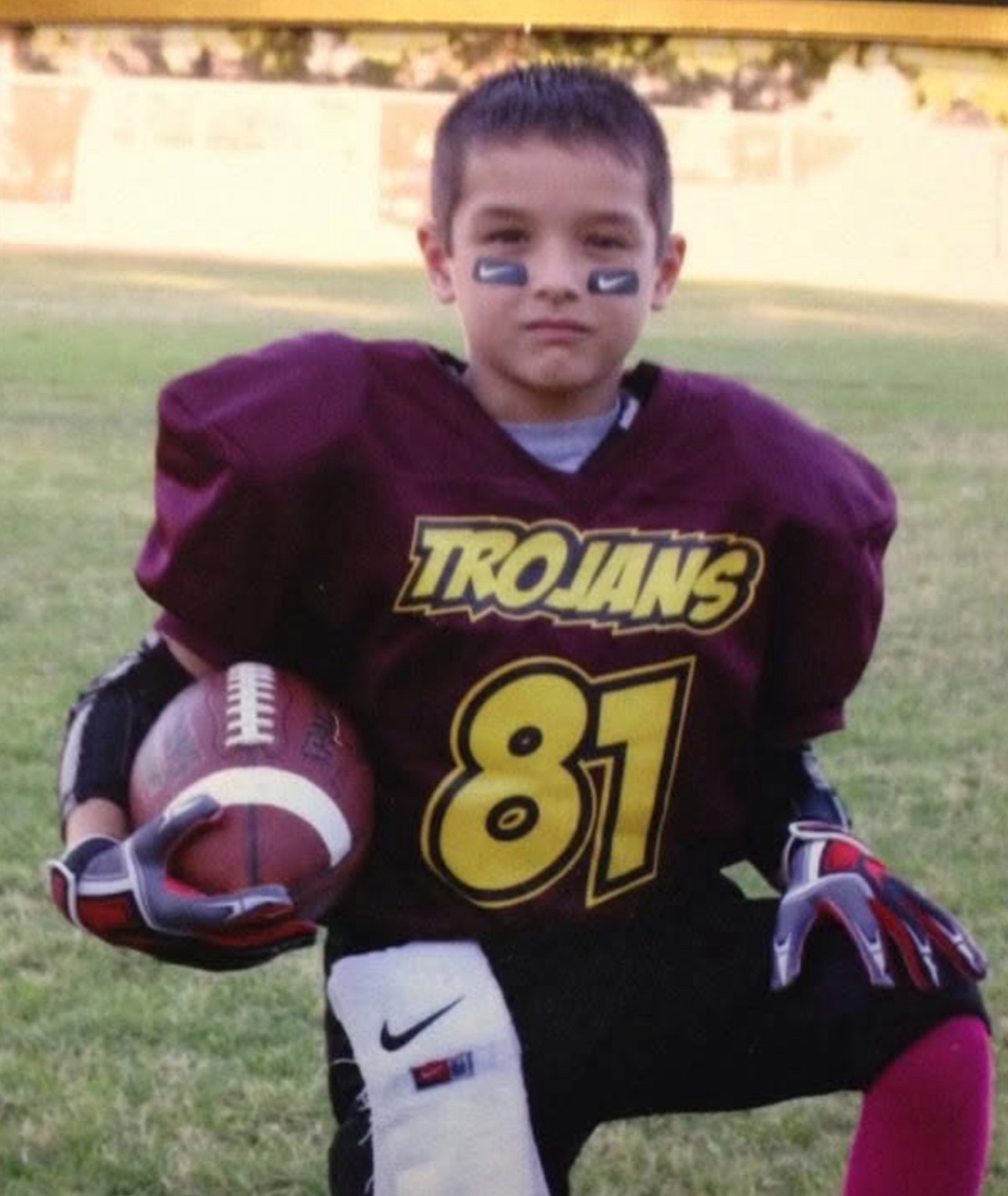
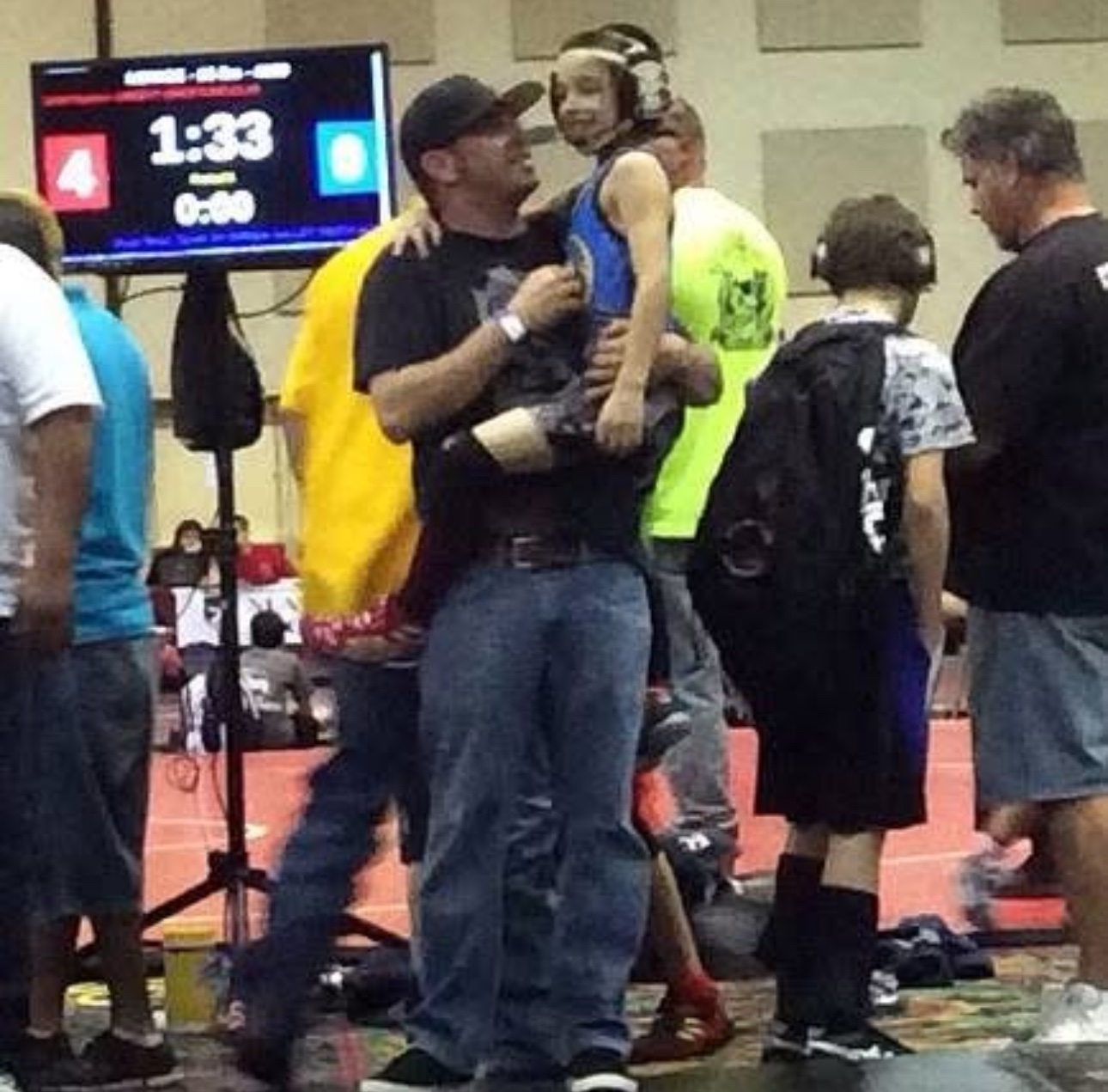
Looking back, Horibe credits those early years with helping him develop the competitive mindset and work ethic that eventually led to collegiate opportunities.
Baseball became equally important.
He spent his childhood playing Little League under coaches including Sam Mendoza and his father, Rich Horibe, who coached many of his teams throughout the years. Among his favorite memories are the championship teams he played on as a young athlete, experiences that helped fuel his love for the game.

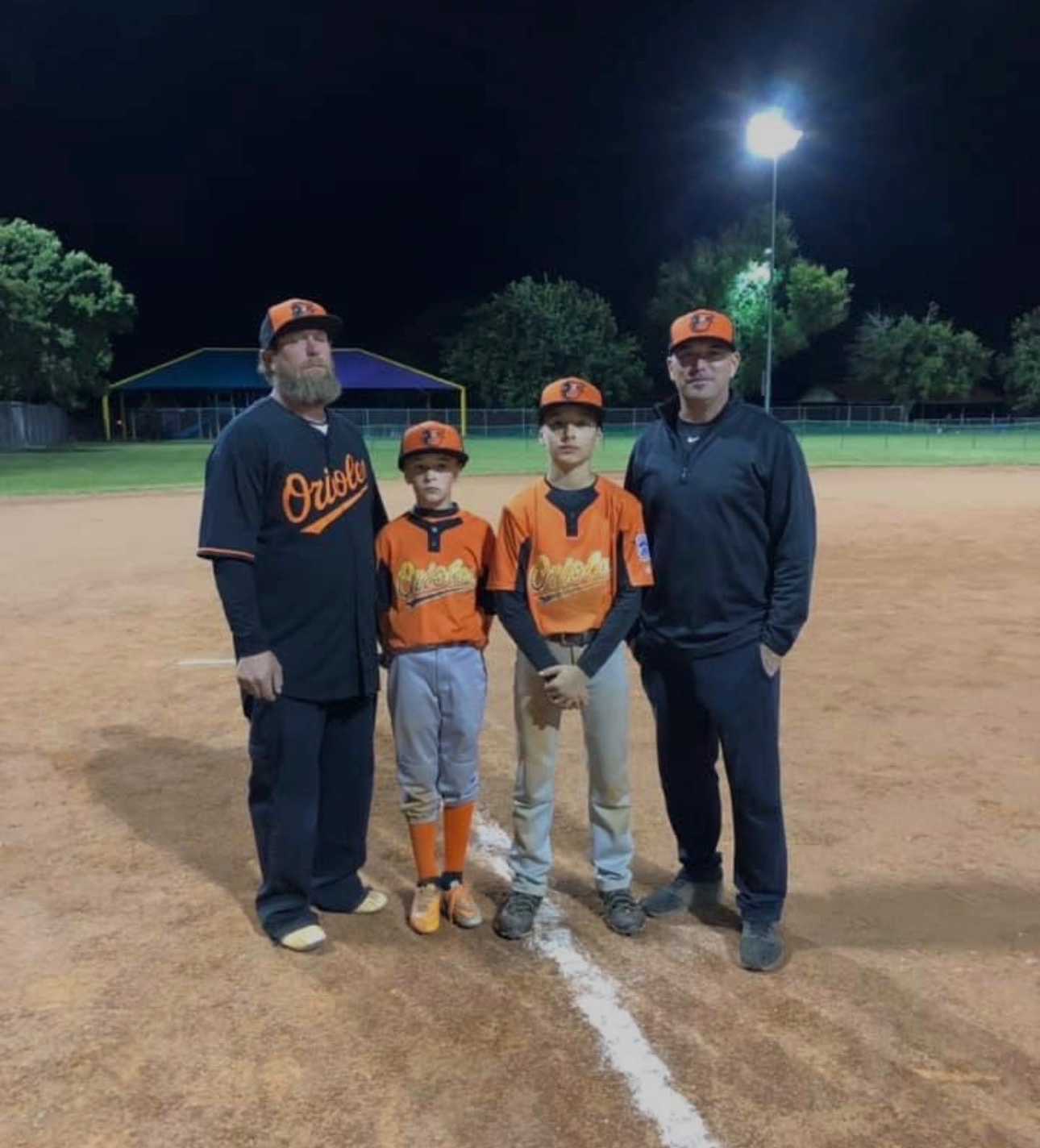
“Little League majors was probably some of the most fun baseball I’ve ever played,” Horibe said.
As he entered high school, Horibe quickly established himself as a standout athlete.
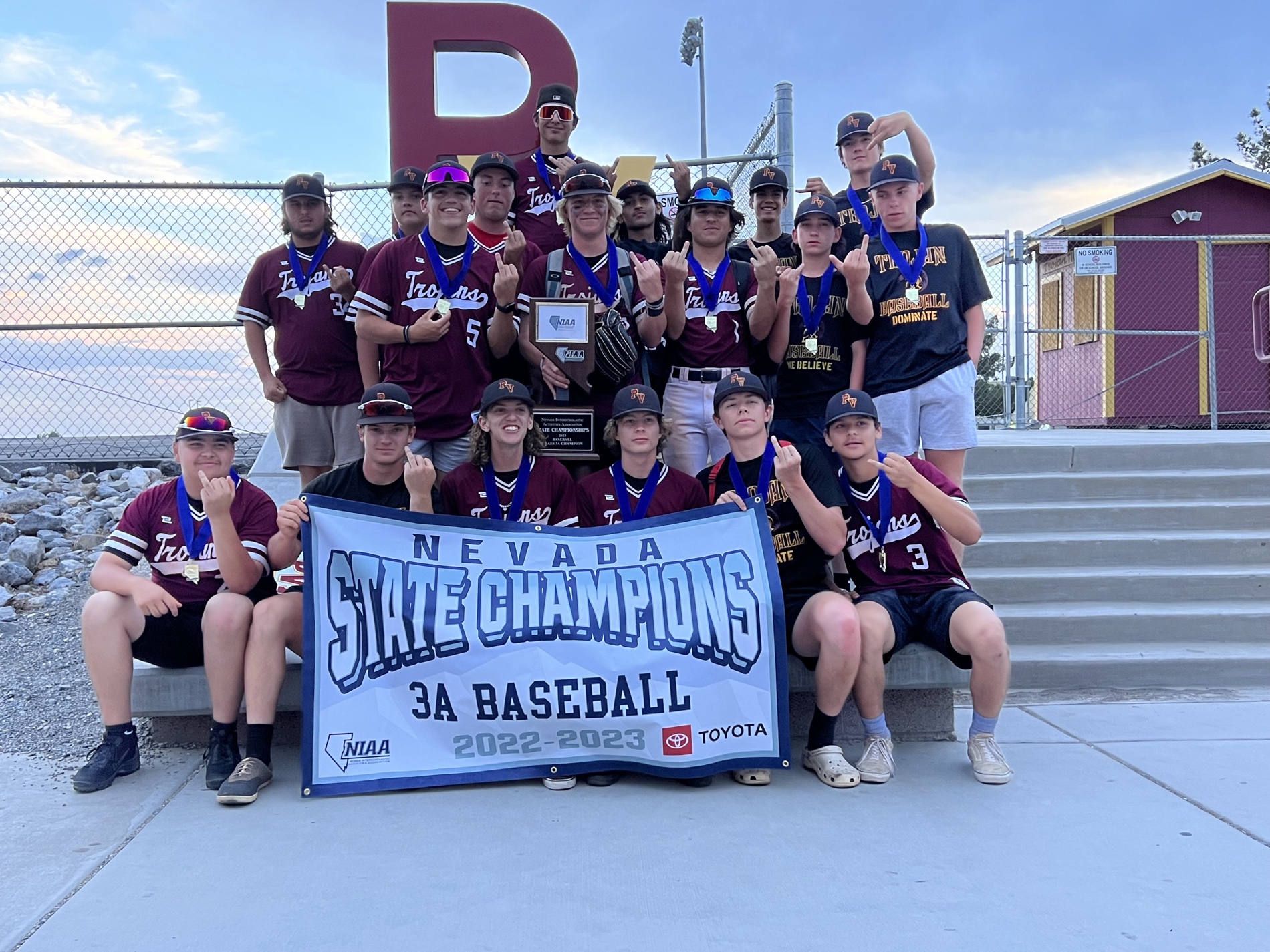
His freshman baseball season ended with a state championship, even though a shoulder injury limited his ability to contribute later in the year.
Football brought its own challenges. After being called up to varsity as a freshman, Horibe suffered a significant shoulder injury that eventually required surgery and impacted much of his sophomore season.
For many athletes, the setbacks could have been discouraging. Instead, Horibe continued working.
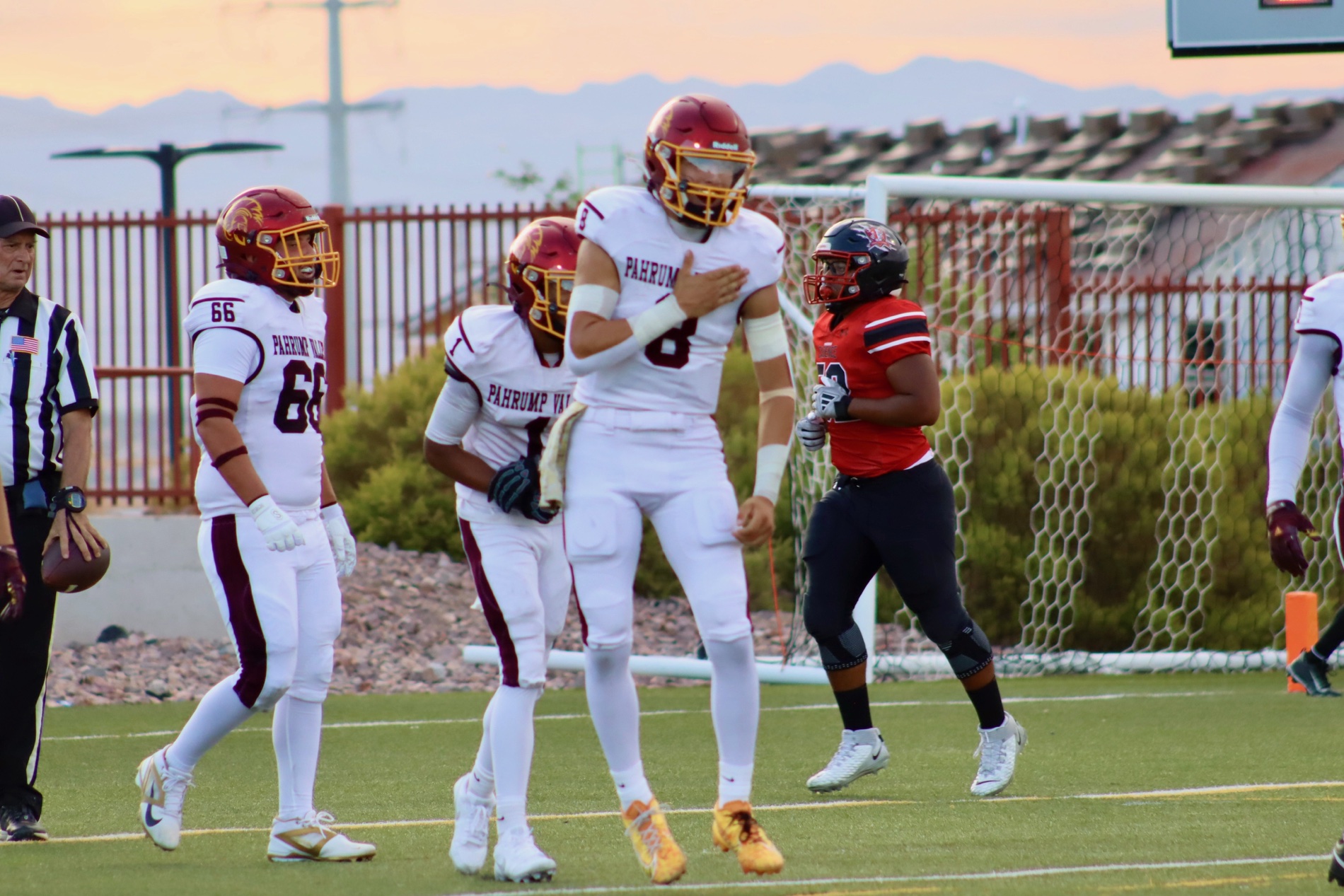
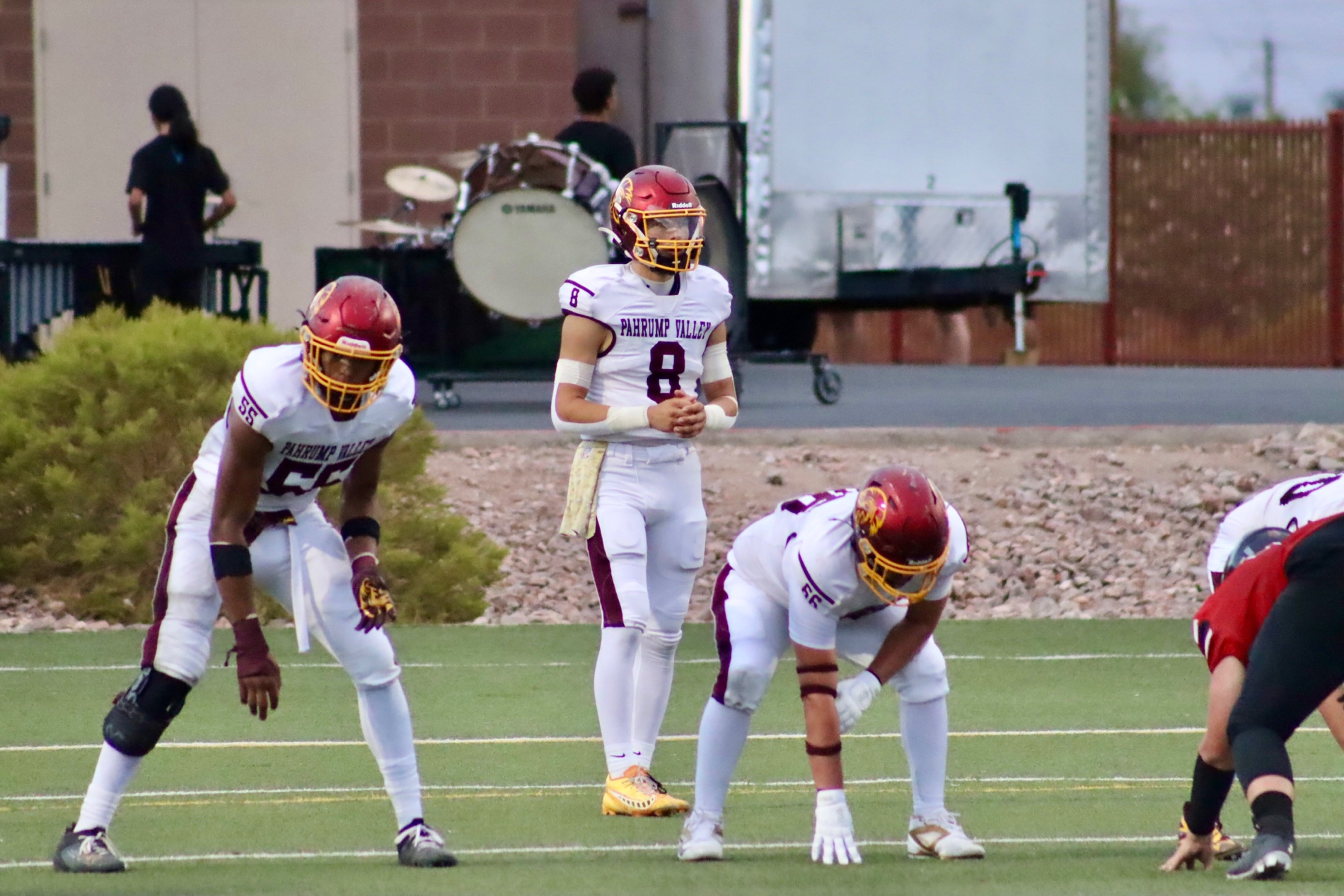
By his junior year, he had emerged as one of Southern Nevada’s most productive quarterbacks.
He threw for approximately 2,500 yards and 30 touchdowns while tossing just six interceptions, numbers that he believes place him among the top passing seasons in school history. He also added numerous rushing touchdowns, demonstrating his ability to impact games both through the air and on the ground.

Rather than focusing on individual achievements, Horibe points to the coaches who helped him reach that level.
“I give all the credit to Coach Henry,” he said. “He helped me so much.”
In addition to Coach Ray Cortez, Horibe also credits Coach Thomas Walker and Coach George Baker for helping him grow both as a football player and as a young man.
While football brought plenty of success, baseball continued to evolve into a realistic collegiate opportunity.
During his junior and senior years, Horibe joined Top Tier Baseball, where he worked with coaches who helped modernize his training and refine his mechanics.
The results were significant.
As his velocity steadily increased, Horibe began attracting attention from college programs. By his senior year, he was approaching 90 miles per hour on the mound.
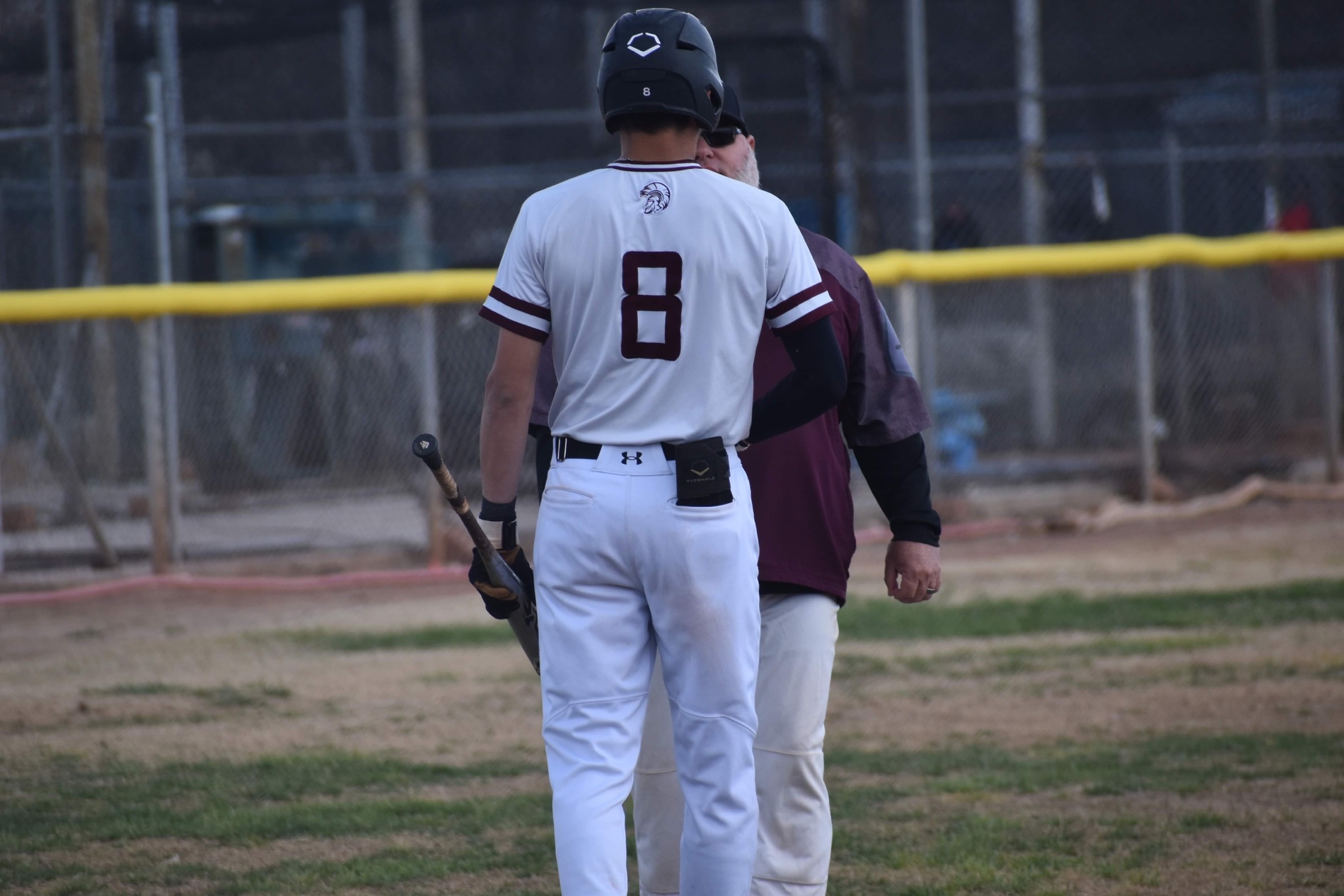
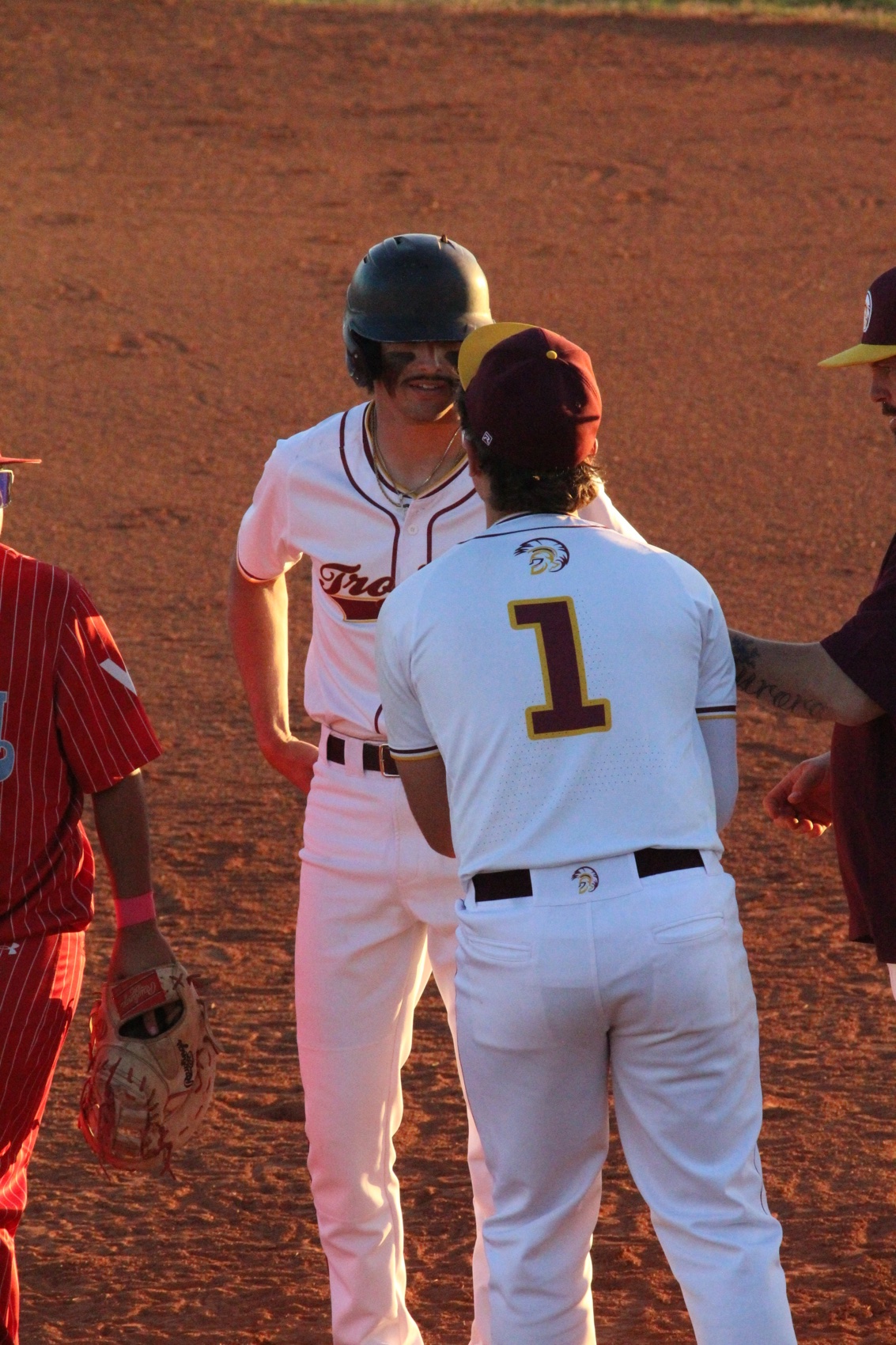
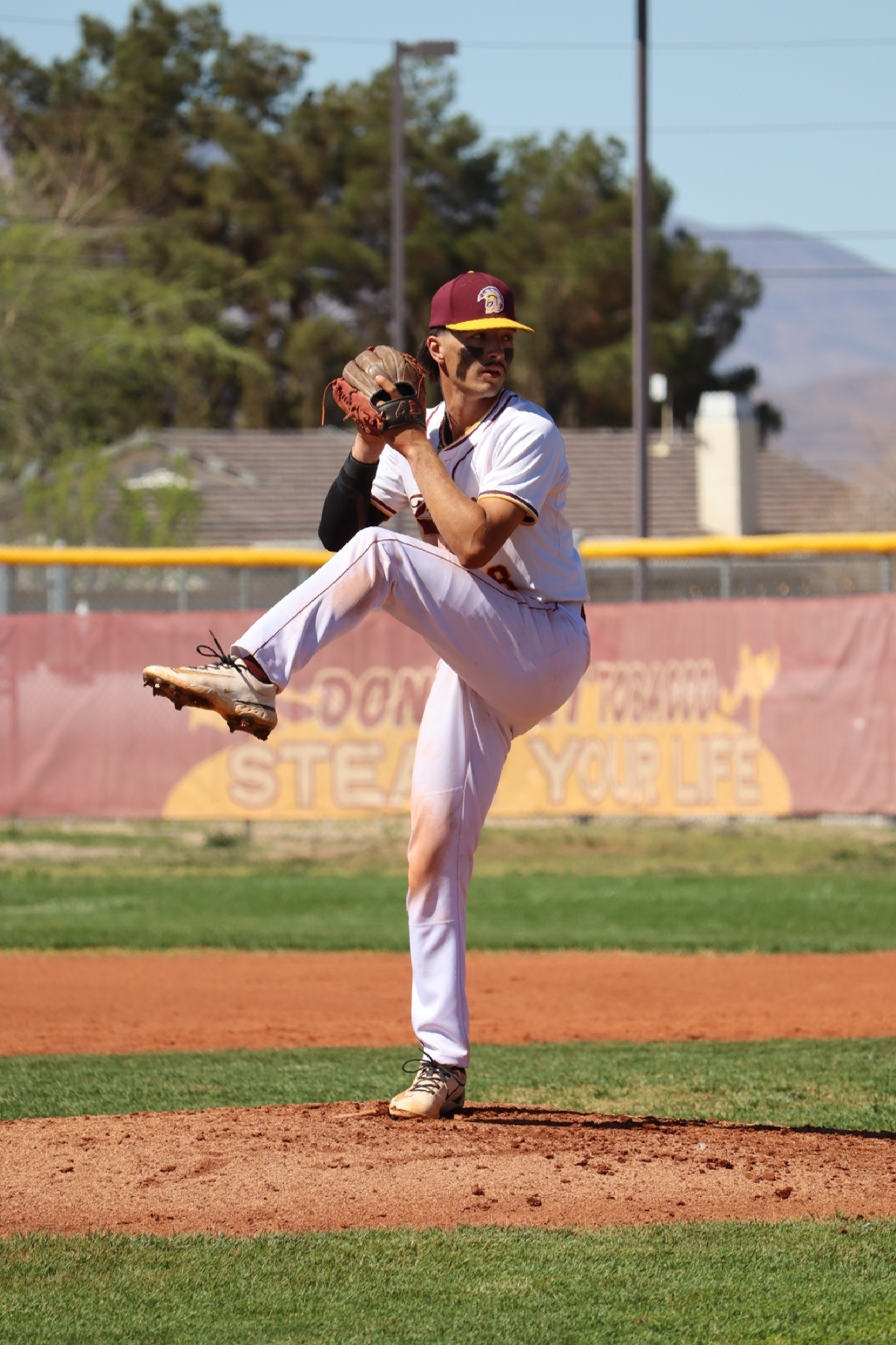
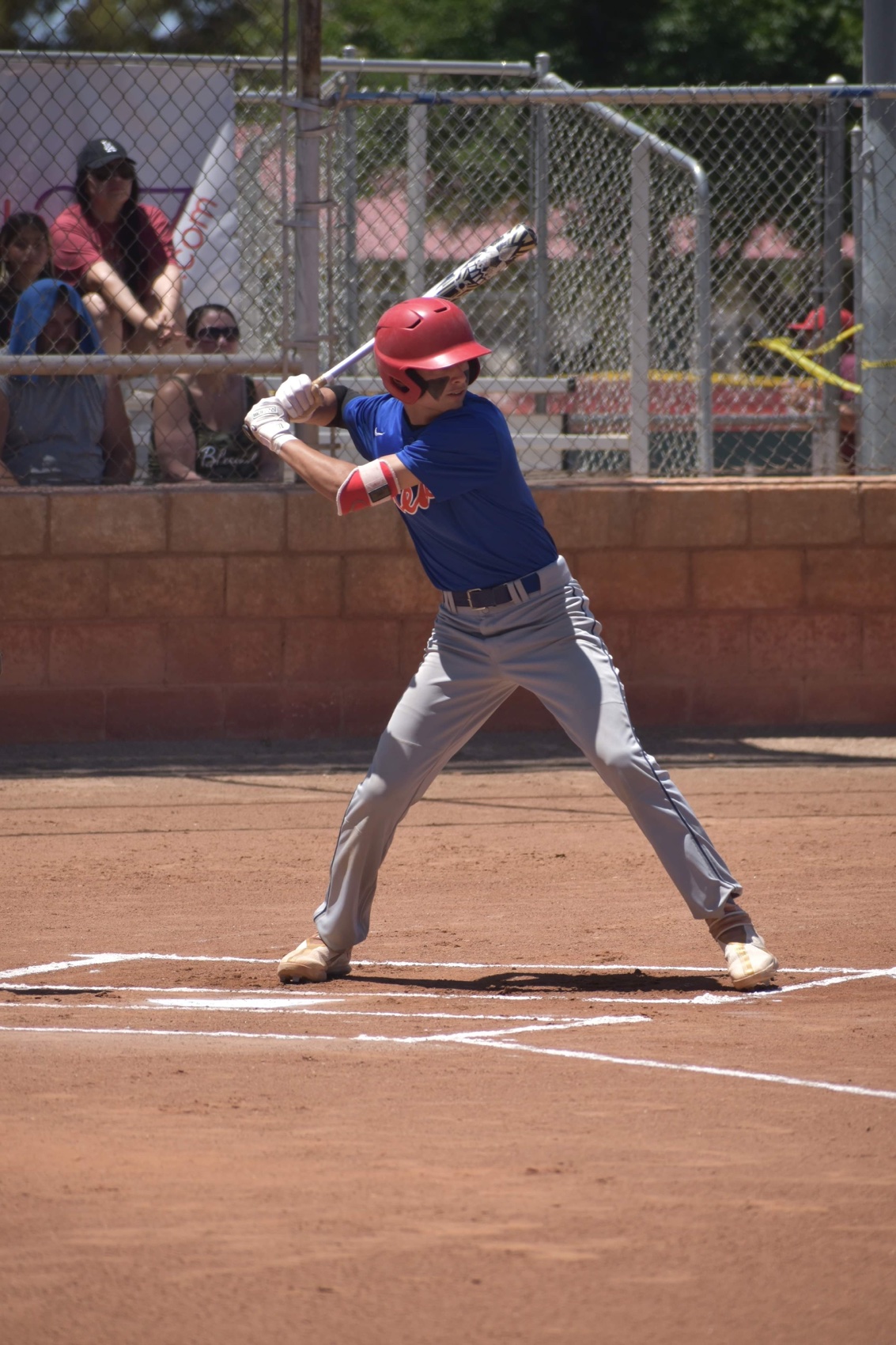
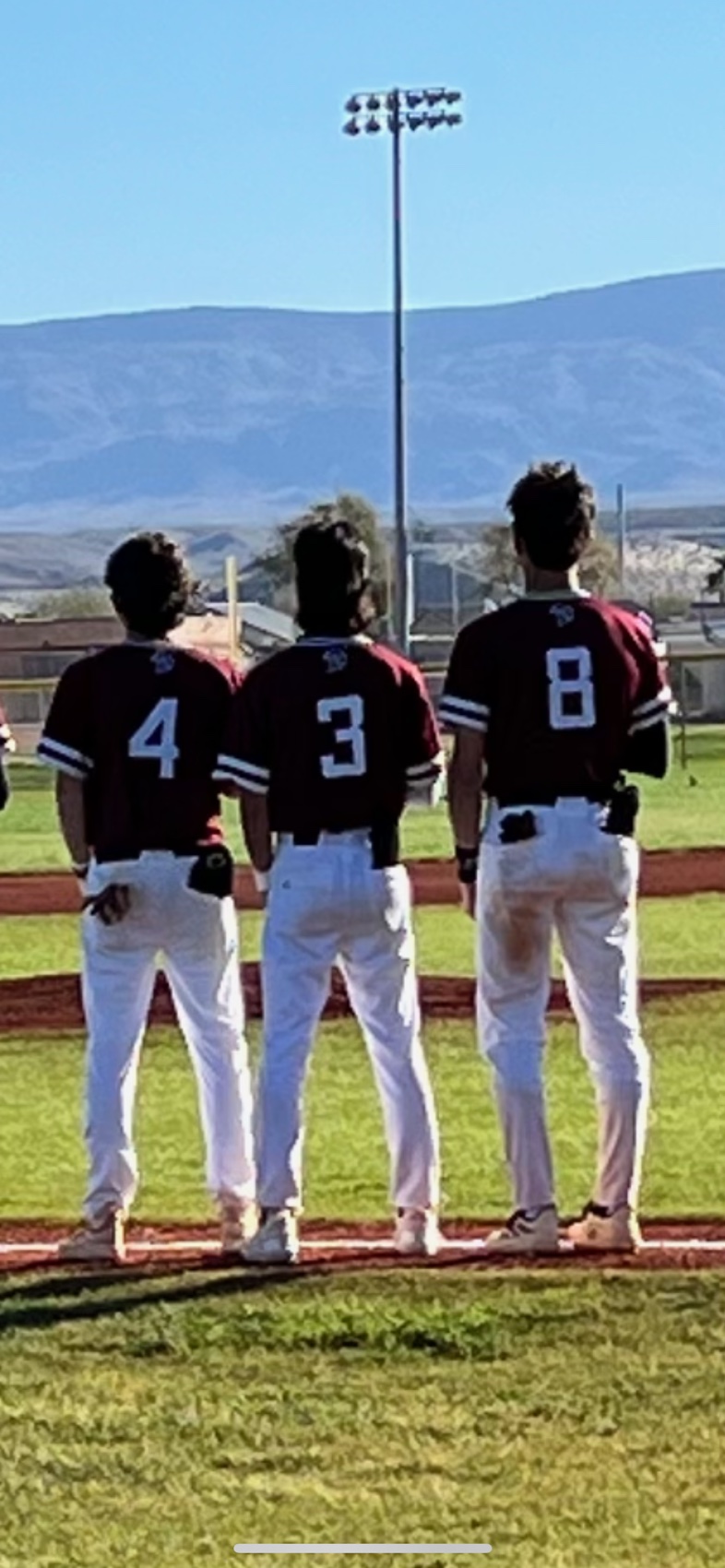
“Once I got around 90, I knew pitching was probably going to be my future,” Horibe said.
The growth reinforced his belief that baseball could provide a pathway to higher levels of competition.
Yet one of the most significant developments in Horibe’s life occurred away from the field.
Just before his junior football season, he began experiencing symptoms he could not explain.
He was constantly thirsty, rapidly losing weight, and making frequent trips to the restroom. What initially seemed like the effects of summer conditioning soon became something much more serious.
Within a short period, Horibe lost nearly 30 pounds.
His family knew something was wrong.
Then one evening, severe cramping spread throughout his body.
“My whole body started cramping,” Horibe recalled. “My calves, quads, back, neck—everything.”
When his family checked his blood sugar, the monitor simply read “high,” indicating levels beyond what the device could measure.
After speaking with family friend Samantha Kramer, whose daughter also has Type 1 diabetes, the family rushed Horibe to the hospital.
He was diagnosed with Type 1 diabetes and spent several days learning how to manage a condition that would now be part of his daily life.
For a teenager preparing for football season, the diagnosis could have been overwhelming.
Instead, Horibe chose to adapt.
“It’s definitely made me mentally stronger,” he said. “I have to keep a level head. I have to take care of myself.”
That first football season after the diagnosis became the most successful of his career.
Even while learning how insulin, hydration, nutrition, stress and competition affected his body, Horibe continued to excel on the field.
He also leaned heavily on the support system around him.
One of the people who became an unexpected but important part of that adjustment period was Antonio Sandoval, who was often around the program and stepped into a support role for Horibe.
As Horibe learned how to balance competition with blood sugar management, Sandoval frequently carried his supply pack on the sidelines, keeping essentials nearby and checking in throughout games so Horibe could stay focused on playing instead of constantly thinking about numbers, insulin or what he might need next.
With football already demanding full attention mentally and physically, having someone help shoulder that responsibility gave Horibe additional peace of mind.
“We called him my sugar daddy,” Horibe said with a laugh. “He was always checking on me and making sure I was good.”
Looking back, Horibe said having someone consistently paying attention to those details helped remove some of the stress that came with navigating his first season after diagnosis and allowed him to keep his attention where he wanted it—on the game.
“I couldn’t have done it without him,” Horibe noted. “And I’ll never be able to thank him enough.”
Living with Type 1 diabetes has also changed the way Horibe views the challenges people carry quietly every day.
Since his diagnosis, he has become more aware that many people are managing things others never see — and that normal life continues even when someone is dealing with something significant behind the scenes.
“A lot of people forget that I have diabetes,” Horibe said. “They’ll see me pull out my insulin and then they’re like, ‘Oh yeah, I forgot about that.’”
Horibe said that realization helped shift his perspective. While diabetes requires daily attention and responsibility, he has learned it does not define who someone is or stop them from pursuing goals.
“You can still live a normal life,” he said. “It’s just one more thing to manage.”
As Horibe prepares for college, he plans to spend the summer continuing his development on the mound. He will commute to Las Vegas multiple times each week to train with Top Tier Baseball and throw live sessions with friends and teammates.
“The more you throw, the better you’re going to be,” he said. “You have to stay consistent.”
That consistency has been a recurring theme throughout his athletic career.
Whether recovering from injuries, adapting to a diabetes diagnosis, or working toward a college opportunity, Horibe has continually found ways to move forward.
As he reflected on the people who helped him reach this point, he quickly shifted attention away from himself.
He credits Cortez, Walker, Henry, Baker, his father, Sam Mendoza, Drew Middleton, Roy Uyeno, Patrick Flowers and numerous other coaches who invested in his development over the years.
“I’ve had a lot of really good coaches,” Horibe said. “They all helped me in different ways.”
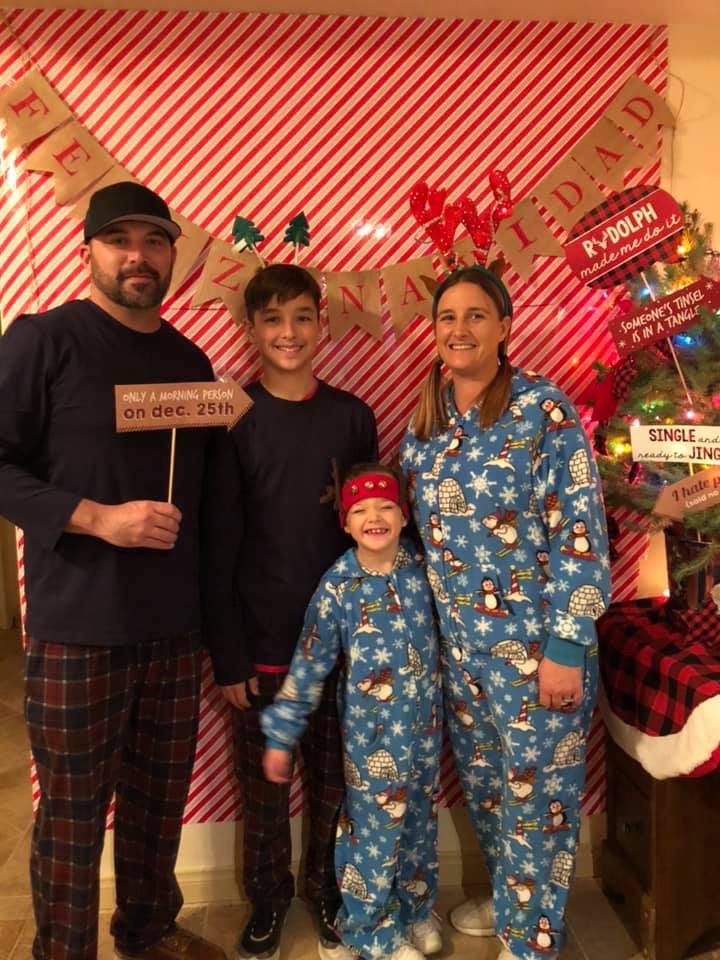
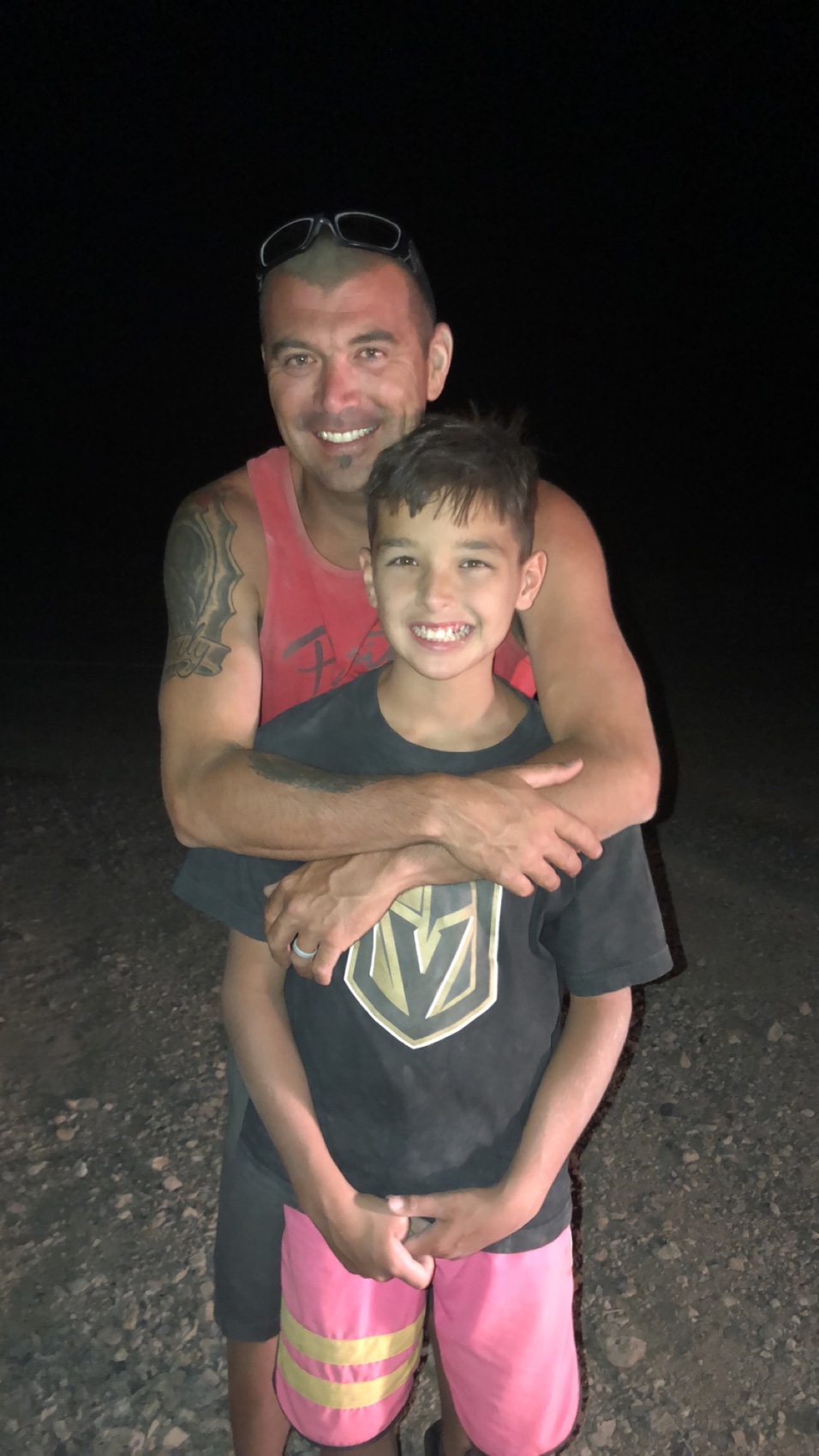
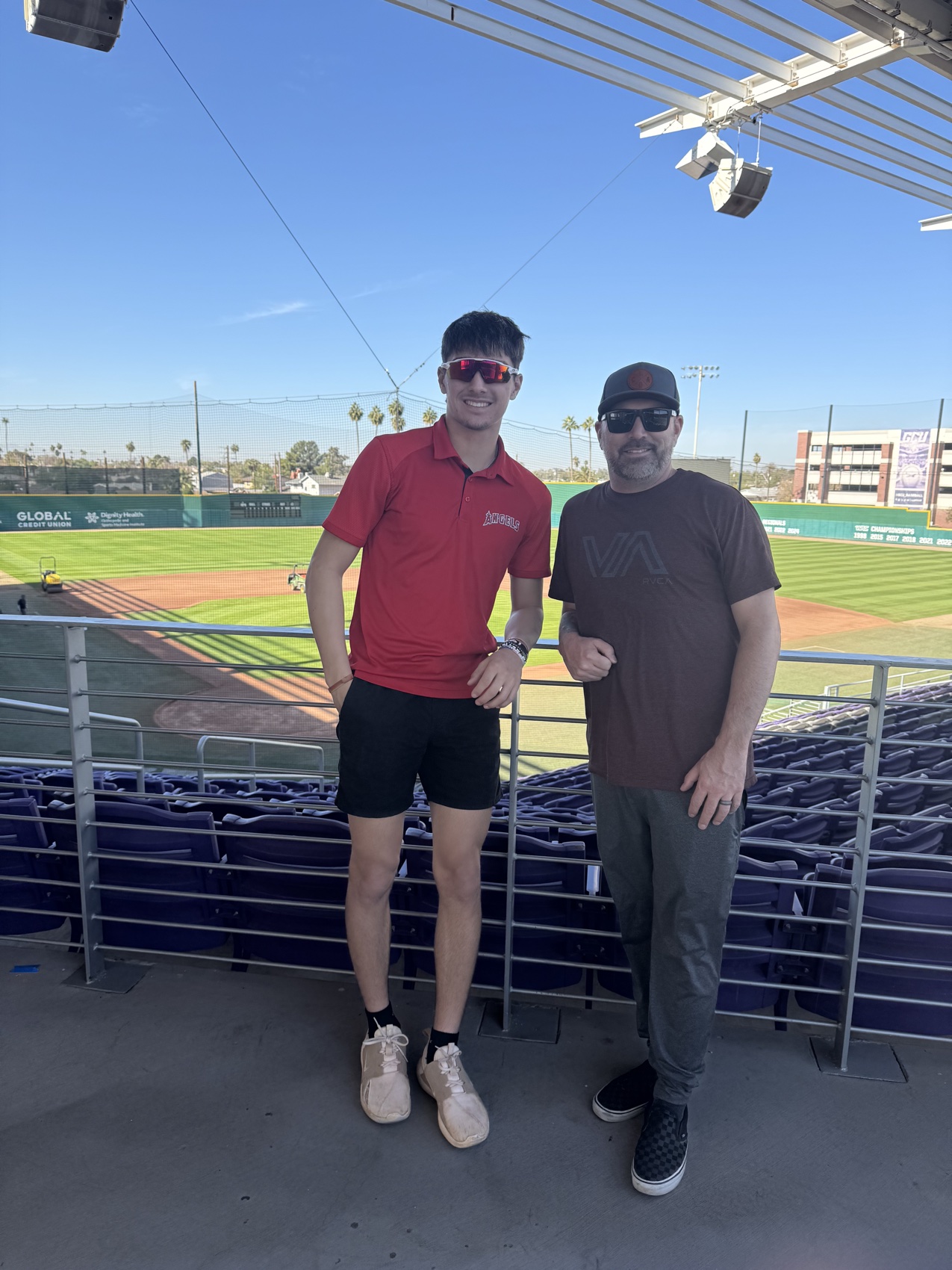
He also expressed gratitude for the family members who consistently supported him throughout his athletic journey, including his parents, Auntie Amber, the Boucher family, Papa Jerry, GG, Aunt Kadee, Nene and Papa, and so many more.
“No matter what they had going on, they all always found a way to support me,” Horibe said.
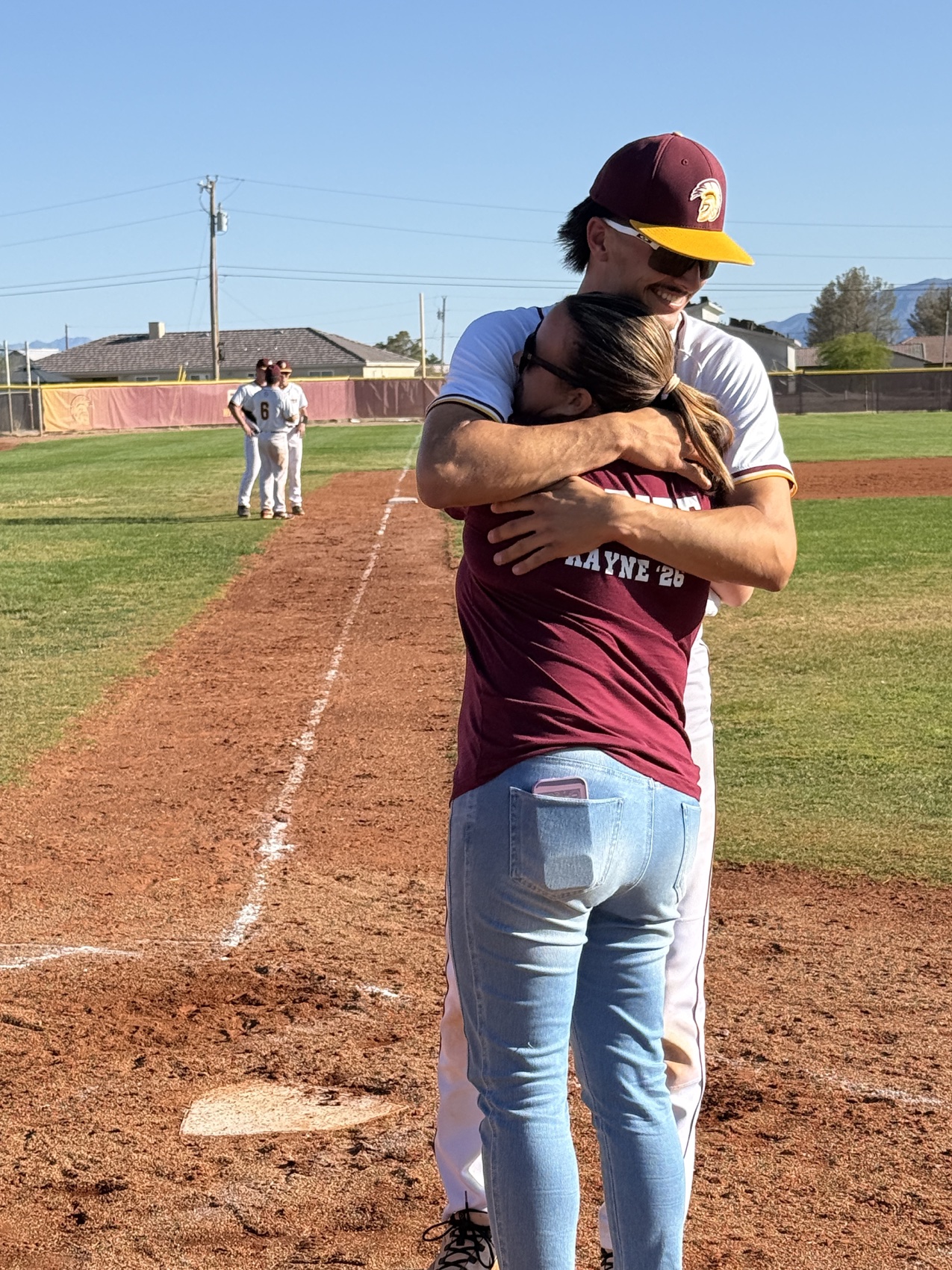
His mother played a major role in helping him stay focused academically, while his father continuously pushed him to improve as both an athlete and a person.
“Without my mom, I don’t think I would’ve achieved what I achieved academically,” Horibe said. “And my dad always pushed me to put in extra work and become better.”
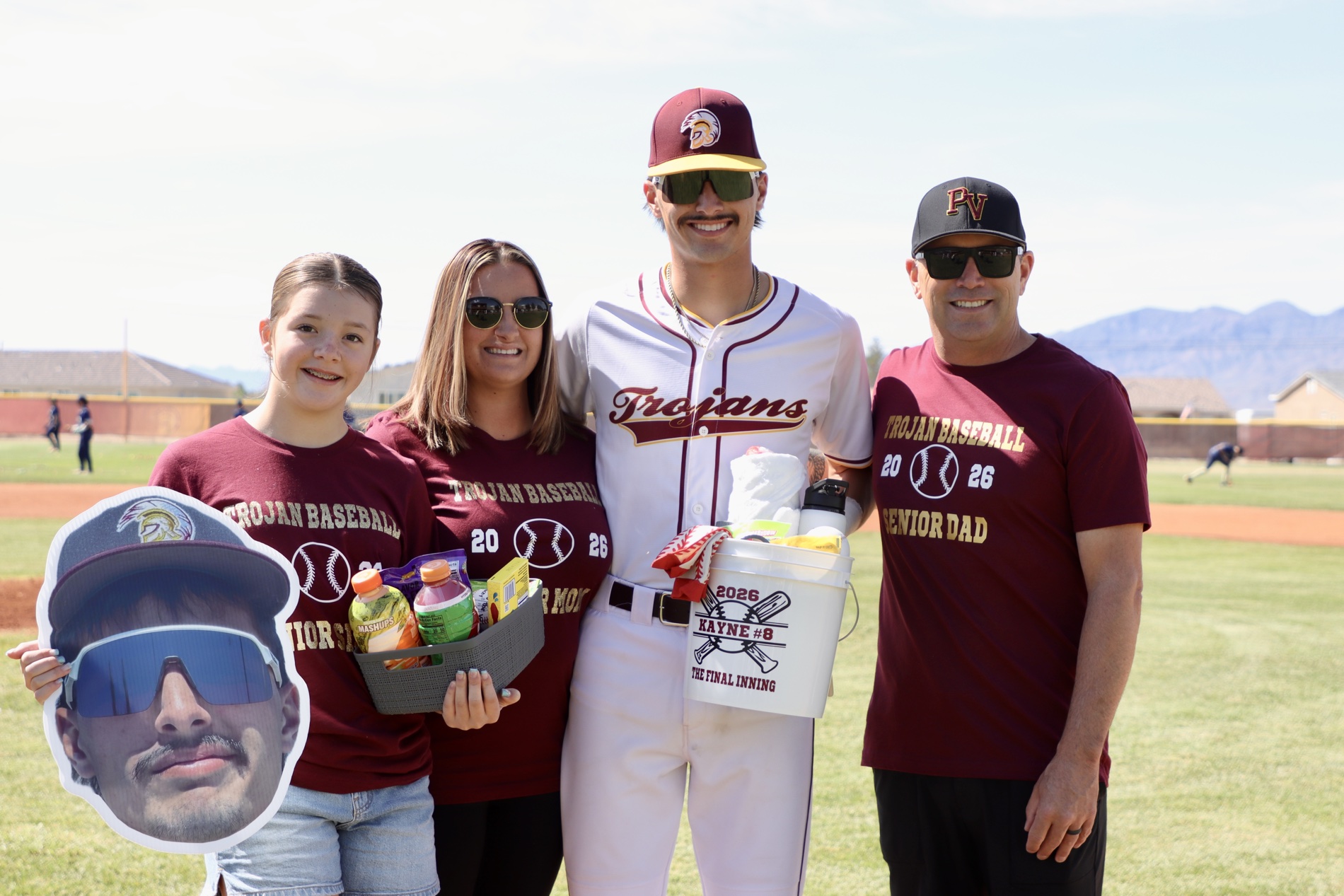
He also wanted to recognize the friendships that helped carry him through the highs and lows of high school athletics.
“I want to give a shoutout to all my friends,” Horibe said. “I couldn’t have gotten where I am without them.”
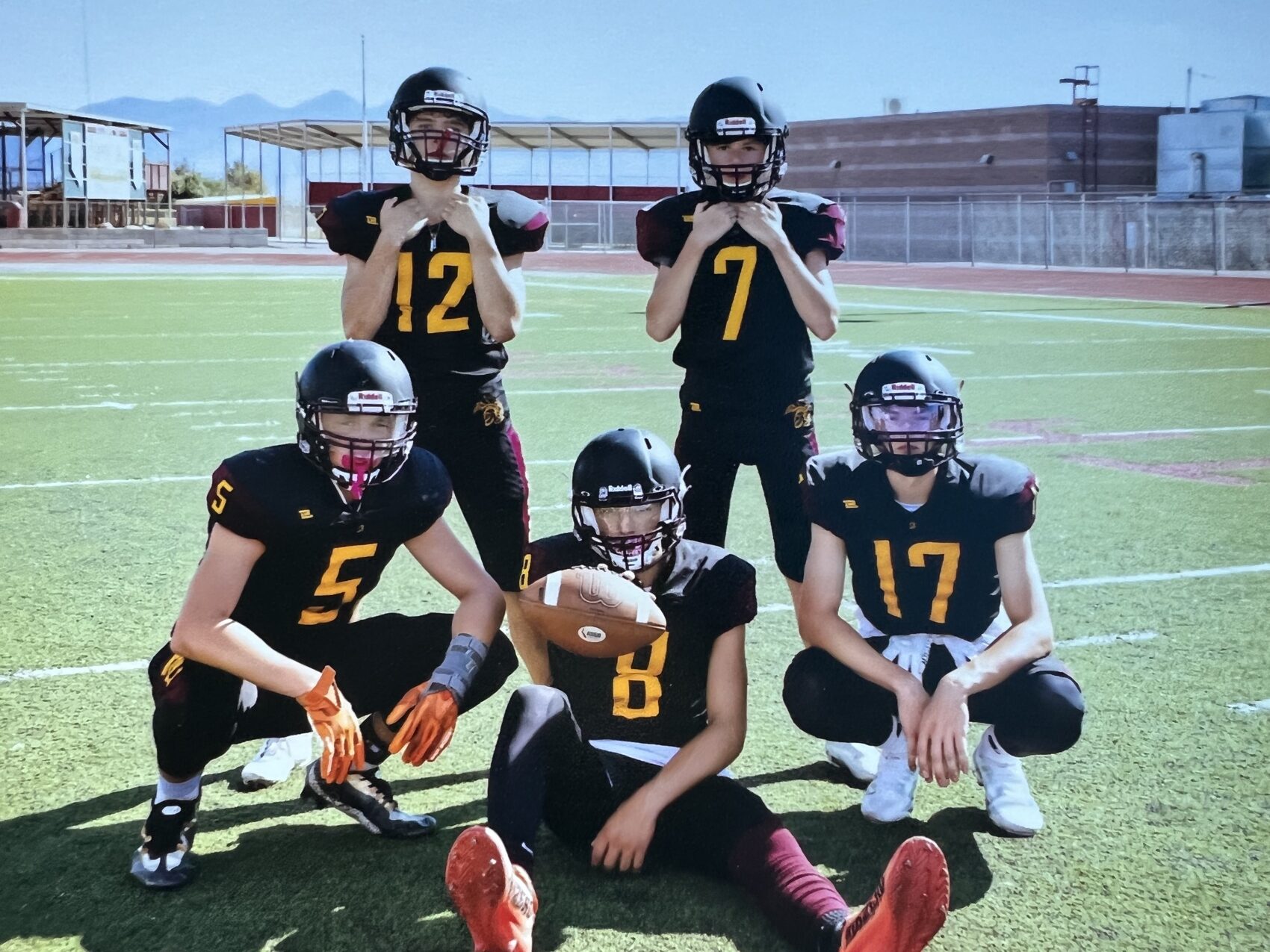
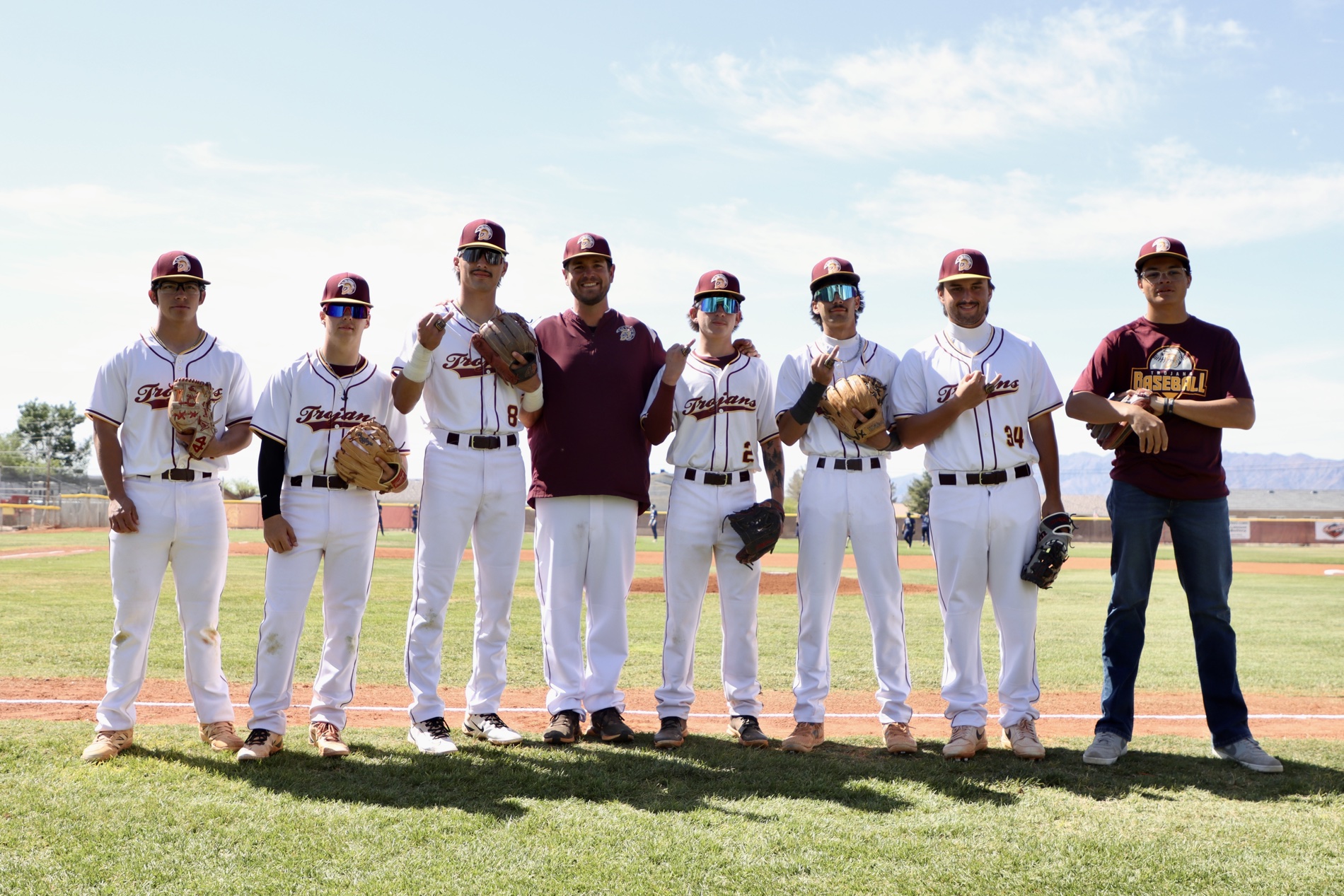
As he prepares to leave Pahrump and begin life in Arizona, Horibe does so knowing he carries the support of an entire community with him.
His path to Mesa Community College was not always straightforward. It included injuries, uncertainty, difficult decisions and a diagnosis that changed his daily life forever.
But through it all, Horibe continued to move forward.
Now, with college baseball on the horizon and new opportunities waiting ahead, he is ready for the next challenge—one built upon years of hard work, countless hours on the field, and the support of the coaches, family members and friends who helped him get there.
